Physical Address
23,24,25 & 26, 2nd Floor, Software Technology Park India, Opp: Garware Stadium,MIDC, Chikalthana, Aurangabad, Maharashtra – 431001 India
Physical Address
23,24,25 & 26, 2nd Floor, Software Technology Park India, Opp: Garware Stadium,MIDC, Chikalthana, Aurangabad, Maharashtra – 431001 India
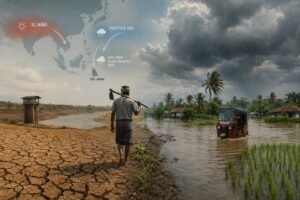
Sri Lanka is entering a critical phase of the 2026 El Niño event, with the country potentially facing a shift from the water shortages and dry conditions experienced in recent months to above-normal rainfall and flooding risks later this year(October-November), a new regional assessment/report by UN agencies released on 28 August, says. The report identifies Sri Lanka among the countries requiring close monitoring as El Niño strengthens across the Asia-Pacific, while the Indian Ocean Dipole (IOD) is also expected to move towards positive conditions.
The report, Asia and the Pacific: Snapshot of El Niño, Indian Ocean Dipole & Middle East Crisis, published on August 28, highlights the complex combination of climate and economic risks facing the region. For Sri Lanka, the concern is particularly significant because increased rainfall during the Second Inter-Monsoon and Northeast Monsoon periods could provide much-needed water while also creating risks of flooding, waterlogging and agricultural losses.
The warning comes after Sri Lanka experienced significant dry conditions during recent months. According to a recent Climate Fact Checks analysis, the government supplied water by bowsers to around 23,000 families across seven districts during the dry spell. Authorities have also brought forward the Maha paddy cultivation calendar, asking farmers to begin planting earlier than usual amid expectations of changing rainfall conditions.
However, the prospect of heavier rainfall creates another challenge for farmers. Another Climate Fact Checks analysis notes that some farmers have been reluctant to begin early Maha cultivation because reservoir levels remain low, while heavy rainfall soon after planting could damage newly established crops. Short-duration rice varieties and soil-moisture conservation measures have therefore been proposed as part of efforts to manage the uncertainty.
The developing situation illustrates why the impacts of El Niño cannot be described simply as a nationwide drought. While El Niño can reduce rainfall in some periods and regions, Sri Lanka has historically experienced a tendency towards enhanced rainfall during the October–December period during strong El Niño events. The regional UN report warns that rainfall risks could become particularly important from October onwards, when the Second Inter-Monsoon and Northeast Monsoon influence the country.
At the same time, the UN report highlights an economic dimension to Sri Lanka’s vulnerability. The climate threat is occurring alongside pressures associated with the Middle East crisis, particularly higher fuel, fertiliser and food costs. Increased fuel prices can raise the cost of agricultural machinery, irrigation, fertiliser production, processing and transportation. For a country dependent on imported agricultural inputs, this could place additional pressure on farmers and food prices.
The UN report also warns that reduced fertiliser use, combined with El Niño or a positive IOD affecting rainfall and agricultural production, could contribute to higher food prices later in 2026 and into 2027. Across the Asia-Pacific region, the assessment points to the possibility of millions more people facing acute food insecurity if El Niño becomes stronger than expected.
For Sri Lanka, the importance of the latest assessment/UN report therefore extends beyond weather forecasting. The country needs to prepare simultaneously for water scarcity, excessive rainfall, agricultural disruption and rising food and fuel costs. Maintaining close monitoring of rainfall, reservoir levels, crop conditions and food markets will be essential as the El Niño event approaches its expected peak.
The assessment does not mean that flooding is inevitable. The eventual impacts will depend on the strength, timing and geographical distribution of rainfall, as well as the interaction between El Niño and the Indian Ocean Dipole. Nevertheless, the combination of a potentially strong El Niño, changing monsoon conditions and economic pressures makes the coming months particularly important for Sri Lanka’s disaster preparedness, agriculture and food security.
References
Sri Lanka trucks water to 23,000 families as El Niño drought spreads across seven districts
El Niño 2026 Peak Explained: Why the Second Half Will Not Look Like the First
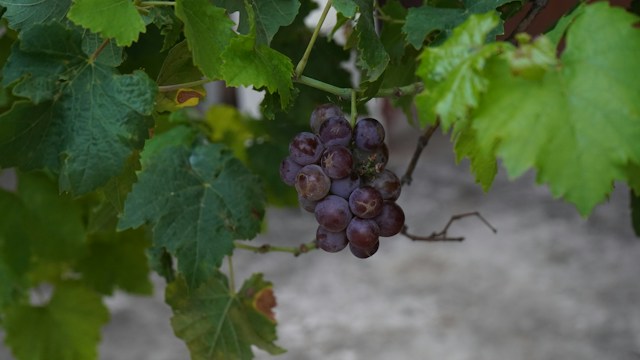
Banner Image: AI generated
Sections of this article may have been developed with the assistance of artificial intelligence tools to support research, drafting and language refinement. All information has been reviewed, edited and verified by the author/editor to ensure accuracy, context and editorial integrity. The responsibility for the final content, interpretations and conclusions rests solely with the publisher.