Physical Address
23,24,25 & 26, 2nd Floor, Software Technology Park India, Opp: Garware Stadium,MIDC, Chikalthana, Aurangabad, Maharashtra – 431001 India
Physical Address
23,24,25 & 26, 2nd Floor, Software Technology Park India, Opp: Garware Stadium,MIDC, Chikalthana, Aurangabad, Maharashtra – 431001 India

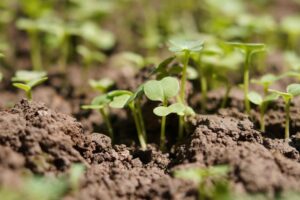
The loss of biodiversity beneath the Earth’s surface has emerged as one of the world’s major threats to healthy soils, according to a new global assessment by the Food and Agriculture Organisation of the United Nations (FAO). The Status of the World’s Soil Resources 2026 report identifies soil biodiversity loss as the fourth most severe threat to soil function globally, behind soil erosion, loss of soil organic carbon and nutrient mismanagement. The assessment warns that soil degradation is worsening in many parts of the world, even as proven methods to protect and restore soils are not being adopted at the required scale.
Released at the 17th Conference of the Parties of the UN Convention to Combat Desertification in Ulaanbaatar, Mongolia, the assessment brings together scientific evidence and expertise from 75 countries. Across 16 chapters, it examines major threats to soil function, their causes and the barriers preventing wider adoption of sustainable soil management practices.
The hidden life beneath our feet is under growing pressure
Soil biodiversity includes the vast range of organisms living belowground, from bacteria, fungi and archaea to protozoa, nematodes, earthworms and arthropods. These organisms play a crucial role in decomposition, nutrient cycling, carbon transformations, soil structure, plant-microbe interactions and disease regulation.
The new assessment gives greater prominence to this largely overlooked component of soil health. The loss of soil biodiversity is now recognised alongside more familiar threats such as erosion and pollution because the decline of these living communities can directly weaken the ability of soils to function properly.
According to the assessment, habitat modification and habitat loss pose the greatest threat to soil organisms, largely driven by the conversion of forests and grasslands into agricultural land. Intensive farming practices involving heavy machinery, irrigation, fertilisers and pesticides can further alter soil habitats and disrupt biological communities. Mechanical disturbance can reduce populations of larger organisms such as earthworms, while excessive fertilisation can affect soil biodiversity by changing soil chemistry, including increasing acidity.
Intensive agriculture and land-use change are driving the decline
The FAO report points to a range of pressures reshaping soil ecosystems across the world, including land-use change, intensive agriculture, pollution, pesticides, deforestation, urbanisation, climate change and physical disturbance of soils.
To slow biodiversity loss, the assessment recommends measures such as maintaining optimal soil pH, using organic fertilisers including manure, reducing tillage or adopting no-till farming, and cutting pesticide use. It also stresses the need to assess the biological health of soils alongside their physical and chemical properties.
Despite growing scientific understanding of the world beneath the soil, the report found little evidence of sufficient progress on the ground. No region or subregion was found to be in a favourable condition regarding the adoption of sustainable soil management practices aimed at addressing biodiversity loss. Adoption trends were either deteriorating or variable across all major regions, from Asia and Africa to Europe and the Americas.
India and South Asia face their own soil biodiversity challenges
The assessment notes that soil biodiversity remains comparatively understudied in Asia. In South Asia, population growth, deforestation, agricultural land conversion and frequent natural disasters are identified as major pressures on biodiversity.
For India, the report highlights diverse land-use patterns and increasing soil salinity as factors affecting soil biodiversity. It also points to broader gaps in monitoring, with biological indicators still receiving far less attention than chemical and physical measures of soil health.
This concern has also been raised by the Centre for Science and Environment, which has argued for a more holistic approach to soil health assessment and greater inclusion of biological indicators in India’s routine soil monitoring systems. Experts have increasingly described soil biology as a major blind spot in the country’s agricultural management.
The world’s soil management remains largely unsustainable
The broader findings of the FAO assessment paint a worrying picture. More than half of regional and subregional assessments found soil management to be poor, while the adoption of sustainable soil management practices was deteriorating in 58% of assessments and improving in only around 10%.
The report argues that the scientific knowledge needed to manage soils more sustainably already exists, but implementation has failed to keep pace. It calls for stronger soil governance and legal frameworks, better education and knowledge-sharing, improved monitoring systems, stronger incentives for farmers and more inclusive decision-making.
The warning is ultimately about a part of the natural world that is easy to overlook because it lies beneath our feet. As soil biodiversity declines, the processes that support food production, nutrient cycling, carbon storage, water regulation and healthy ecosystems can also come under pressure. The FAO’s latest assessment suggests that protecting the world’s soils will require looking beyond their chemical composition and recognising them as living ecosystems that need protection in their own right.
References:
https://openknowledge.fao.org/bitstreams/7079ae0e-5f9c-42f6-8266-8764004d27a2/download
New FAO global assessment recognises loss of soil biodiversity as major threat to soil function
IMPROVING SOIL BIOLOGICAL HEALTH
FAO at COP17: New report warns soil degradation worsening as adoption of proven solutions lags
Banner image: Photo by Fungraphy on Pexels
Sections of this article may have been developed with the assistance of artificial intelligence tools to support research, drafting, and language refinement. All information has been reviewed, edited, and verified by the author/editor to ensure accuracy, context, and editorial integrity. The responsibility for the final content, interpretations, and conclusions rests solely with the publisher.