Physical Address
23,24,25 & 26, 2nd Floor, Software Technology Park India, Opp: Garware Stadium,MIDC, Chikalthana, Aurangabad, Maharashtra – 431001 India
Physical Address
23,24,25 & 26, 2nd Floor, Software Technology Park India, Opp: Garware Stadium,MIDC, Chikalthana, Aurangabad, Maharashtra – 431001 India
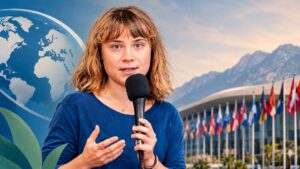
Greta Thunberg returned to the UN climate talks at COP31 in Antalya, calling the summit "hypocrisy" as vulnerable nations and India pressed for climate finance.
Five years after she dismissed world leaders’ climate promises as “blah, blah, blah”, Greta Thunberg walked back into a UN climate summit. The Swedish activist arrived at COP31 in Antalya, Türkiye, on Tuesday, 10 November, her first COP since the 2021 Glasgow talks, and wasted little time before turning on the process itself.
“It’s a hypocrisy every year that the host countries are given an opportunity to whitewash themselves,” Thunberg told reporters. She said the negotiations were “filled with lobbyists, paid by the very destructive industries” that profit from the status quo, and that today’s political and economic systems had become “incompatible with human nature”. “Everything and everyone we love is at stake,” she said.
Later in the week she sharpened the message. The planet, she said, is “not dying, it is being killed and we know by who”, adding that it is “being killed by the very same people thought to come to our rescue”. “No one is coming to our rescue,” she said.
A pointed choice of target
Thunberg’s criticism of host countries lands on a summit with unusually exposed hosts. Türkiye presides over COP31 while Australia runs the negotiations, and both promote renewables while still relying heavily on fossil fuels, especially coal. Australia’s Chris Bowen, President of the Negotiations, has faced criticism because his government continues to approve new coal and gas projects. The three previous hosts, Brazil, the United Arab Emirates and Azerbaijan, are all major oil producers.
Her remarks on lobbyists also echo a long-running complaint from campaigners. At last year’s COP30 in Belém, the Kick Big Polluters Out coalition counted 1,602 fossil fuel industry representatives among accredited participants, roughly one in every 25 attendees, the highest ratio it has ever recorded at a UN climate conference.
Vulnerable nations echo the anger
Thunberg was not the only voice accusing wealthy nations of failing to act. At the leaders’ segment on 11 and 12 November, heads of state from some of the most climate-exposed countries made similar pleas. Mali’s Prime Minister Abdoulaye Maiga said nations that contributed least to the crisis should not bear its burden: “Our people should not be burdened by the debt.” Seychelles Vice President Alix Sebastien Pillay said his country’s survival was at stake and that it was “time to move past the talking”. Palau’s President Surangel Whipps Jr. said the world was at war with a crisis it did not create.
UN Secretary-General António Guterres, in his final COP speech in the role, told leaders that the case for fossil fuels “is collapsing” and urged countries to “end the fossil-fuel addiction”. Several European countries, Japan and Canada, whose leaders skipped the summit, received “Fossil of the Day” awards from civil society groups.
What has happened on the negotiating floor
Behind the speeches, the first week has been dominated by money, and by the gap between what has been promised and what is needed.
On the opening day, the African Group of Negotiators failed to secure a dedicated agenda item on tripling adaptation finance, a pledge made at COP30. COP31 President Murat Kurum ruled that the issue could be discussed under existing items, after the European Union signalled it would not accept a separate track. That leaves no formal process to define, monitor or enforce the tripling pledge. “If you do not know the baseline, you cannot measure how much has come in,” said the group’s chair, Antwi-Boasiako Amoah.
The numbers explain the frustration. According to the UN Environment Programme’s 2026 Adaptation Gap Report, developing countries will need about $305 billion a year for adaptation by 2035. Public adaptation finance from developed to developing countries stood at $28.2 billion to $31.7 billion in 2024. Even a tripling from the Glasgow baseline would reach only $85 billion to $120 billion a year, covering roughly a fifth to under a third of the need once inflation is considered.
The UN’s loss and damage fund, meanwhile, voted $20 million for Nepal, where floods killed about 1,500 people and caused an estimated $2.69 billion in initial losses. The fund’s first round holds around $350 million, while 119 countries have asked for $2.8 billion.
The Turkish presidency’s flagship voluntary pledge to raise electricity to 35 per cent of global energy use by 2035 has so far drawn backing from around a dozen mostly smaller countries, many with caveats, while Saudi Arabia has objected.
Back to India’s demands
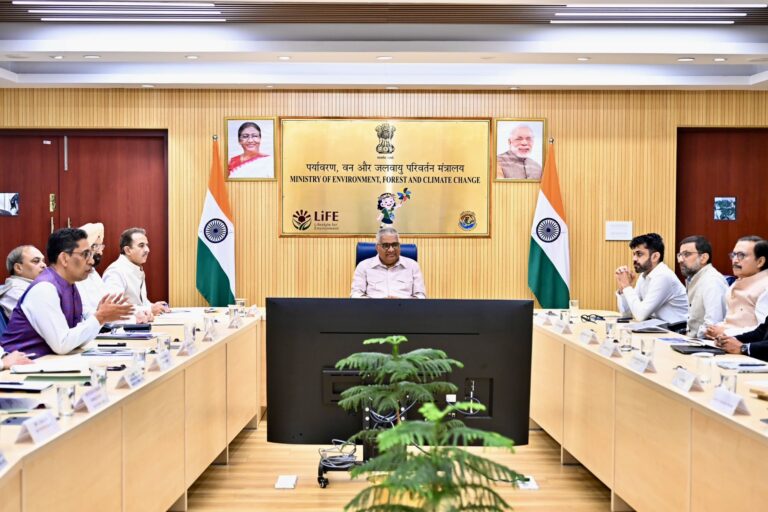
The anger in Antalya echoes the case India made at the start of the summit. As Climate Fact Checks reported, India’s opening statement, delivered by Environment Secretary Narendra Bhooshan, called for a “fair, equitable and ambitious outcome” and urged developed countries to meet their finance obligations under Article 9.1 of the Paris Agreement. India is also seeking a formal decision to launch a Climate Finance Work Programme.
The days since have shown how hard that will be. The blocked adaptation agenda item and the thin early payouts from the loss and damage fund point to the same problem India raised: commitments without a clear path to delivery. India has also asked that indicators under the Global Goal on Adaptation remain voluntary, so they cannot become conditions for accessing finance. With rich countries showing limited appetite for new commitments, most observers expect a process-focused outcome rather than a major new pledge.
A viral clip, and missing context
As Thunberg made headlines in Antalya, a separate clip of her began circulating online. Taken from a newly released documentary, it shows her laughing on being told that a Fridays for Future protest was under way in Berlin, asking “Really? They still do that?” The clip has been shared widely as evidence that she mocks the movement she started. However, the reports amplifying it do not include a response from Thunberg or the filmmakers, and do not establish what preceded or followed the moment, or why she said “Cut!” at the end. Online users have offered competing readings. Until the full context is available, the clip should be treated with caution.
What comes next
COP31 is scheduled to close on 20 November, with the next summit, COP32, set for Addis Ababa, Ethiopia, in November 2027. The second week will test whether the anger voiced from the podium, by Thunberg and by leaders of the countries most at risk, translates into anything firmer on finance than restated promises.
References:
COP31: India Puts Climate Finance and Equity at the Centre of Global Climate Action
https://www.latintimes.com/greta-thunberg-returns-cop31-fossil-fuel-lobbyists-601245
COP31 Bulletin Day 3: With the people stuck outside, world leaders jet in
https://allafrica.com/stories/202611120246.html
https://www.theweek.in/news/world/2026/11/09/cop31-climate-summit-antalya-begins-india.html
https://www.ummid.com/news/2026/11/11/cop31-in-antalya-an-implementation-cop-faces-its-test.html
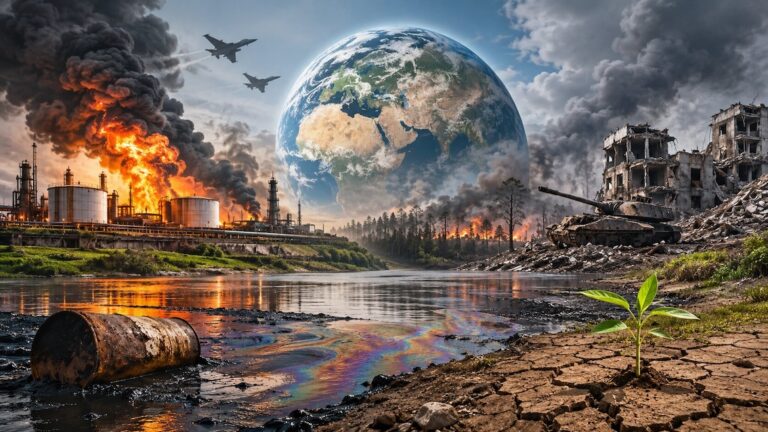
Banner Image: AI generated
Sections of this article may have been developed with the assistance of artificial intelligence tools to support research, drafting, and language refinement. All information has been reviewed, edited, and verified by the author/editor to ensure accuracy, context, and editorial integrity. The responsibility for the final content, interpretations, and conclusions rests solely with the publisher.