Physical Address
23,24,25 & 26, 2nd Floor, Software Technology Park India, Opp: Garware Stadium,MIDC, Chikalthana, Aurangabad, Maharashtra – 431001 India
Physical Address
23,24,25 & 26, 2nd Floor, Software Technology Park India, Opp: Garware Stadium,MIDC, Chikalthana, Aurangabad, Maharashtra – 431001 India


Climate change could soon be reflected in household water bills, with a new study warning that adapting to worsening droughts and water scarcity may nearly double water costs in some urban areas by the middle of the century. The research, led by Stanford University and published in Nature Sustainability, found that cities investing in expensive drought-resilience measures such as desalination plants, recycled-water systems, and new storage infrastructure could see significant increases in consumer water bills. Researchers say the findings highlight a growing but often overlooked cost of climate adaptation, particularly for low-income households that already struggle to afford essential services.
Climate adaptation could drive up household water bills
The researchers developed a modelling framework using Santa Cruz, California, as a case study to estimate how climate change could affect future water affordability. They found that climate-driven water shortages alone could leave an additional 7 to 16% of households unable to afford their water bills by mid-century. The city’s median household water bill could nearly double as utilities invest in new infrastructure to maintain reliable supplies amid hotter, drier conditions.
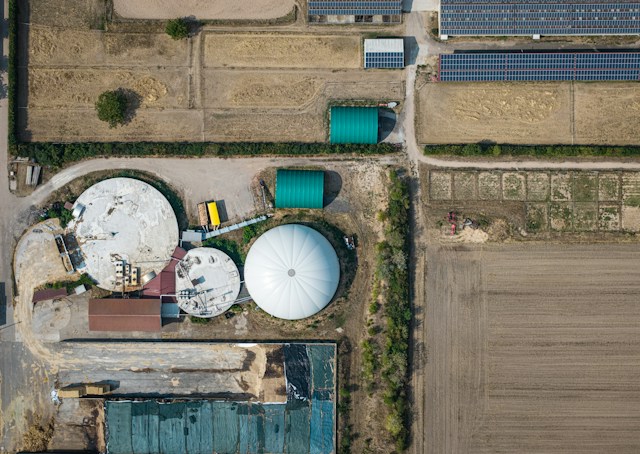
The study notes that water utilities across drought-prone regions are increasingly turning to climate-resilient but expensive solutions, including seawater desalination, wastewater recycling and new reservoirs. While these investments can improve long-term water security, their costs are often passed on to consumers through higher tariffs.
Researchers warn that current financing models do little to shield vulnerable households from these rising costs, raising concerns that climate adaptation itself could worsen inequality if affordability is not factored into planning.
Rising costs could deepen water affordability challenges
At present, around 19% of households in Santa Cruz already spend more on water than the commonly used affordability threshold. Under projected climate conditions, that figure could rise substantially even before accounting for broader inflation or population growth.
The researchers argue that water pricing systems have traditionally been designed around stable climate conditions. As droughts become more frequent and severe, utilities may need to build additional infrastructure while selling less water because conservation measures reduce consumption. This combination leaves utilities with rising costs but lower revenues, increasing pressure to raise rates.
According to the authors, balancing reliable water supplies with affordable access will become one of the biggest policy challenges for cities facing increasing climate stress.
Study calls for new financing approaches
Rather than relying mainly on customer bills, the study recommends broader funding mechanisms to spread the costs of climate adaptation more equitably. These include increased public investment, targeted subsidies for low-income households and financing models that reduce the burden on vulnerable consumers.
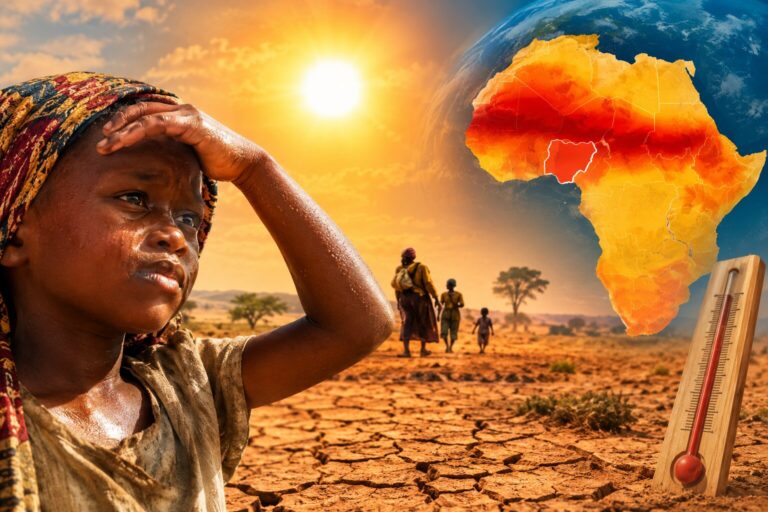
Although the analysis focused on a California city, the researchers say the findings have wider implications for urban areas around the world facing growing water stress. Climate change is expected to increase the frequency of droughts in many regions, forcing cities to invest in more resilient water systems while ensuring that essential services remain affordable.
The findings come as many countries, including India, are already grappling with declining groundwater, erratic rainfall and growing urban water demand. Scientists say that without better planning, the financial costs of adapting to climate change may increasingly be borne by households through higher utility bills, making water affordability an emerging climate challenge alongside water scarcity itself.
References:
https://www.nature.com/articles/s41893-026-01890-z#Abs1
https://phys.org/news/2026-07-hotter-drier-weather-bills-cities.html
Banner image: Photo by naipo.de on Unsplash
Sections of this article may have been developed with the assistance of artificial intelligence tools to support research, drafting and language refinement. All information has been reviewed, edited and verified by the author/editor to ensure accuracy, context and editorial integrity. The responsibility for the final content, interpretations and conclusions rests solely with the publisher.