Physical Address
23,24,25 & 26, 2nd Floor, Software Technology Park India, Opp: Garware Stadium,MIDC, Chikalthana, Aurangabad, Maharashtra – 431001 India
Physical Address
23,24,25 & 26, 2nd Floor, Software Technology Park India, Opp: Garware Stadium,MIDC, Chikalthana, Aurangabad, Maharashtra – 431001 India

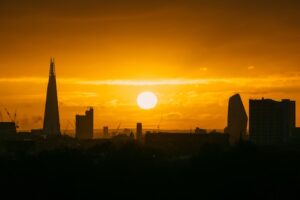
England, a country often associated with cool weather and frequent rainfall, is facing one of its most severe droughts in recent years after an unusually hot and dry summer pushed rivers, reservoirs and farmland under mounting stress. More than half of the country has now been officially declared in drought following weeks of record-breaking heat and exceptionally low rainfall. Water companies have imposed restrictions on millions of residents, farmers are grappling with crop losses and fire crews are battling a surge in wildfires. Scientists say the crisis reflects a growing pattern of climate extremes, where wetter winters are increasingly followed by hotter, drier summers as global temperatures continue to rise.
More than half of England enters drought after exceptionally dry July
Seven regions across central, eastern and southern England have been declared in drought by the Environment Agency, covering just over half the country. Officials described the situation as an “exceptionally serious” flash drought, a type of drought that develops rapidly when prolonged dry weather coincides with unusually high temperatures. England is on track to record its driest July since records began, receiving only about 7% of its average rainfall for the month. In parts of southern England, rainfall has fallen to just 1% of the monthly average.
The prolonged dry spell has placed increasing pressure on water supplies. Around 23 million people are now affected by temporary hosepipe bans as water companies attempt to conserve dwindling resources. Rivers are running at critically low levels, with flows estimated to be about 78% below normal in some areas. Parts of the River Thames have reached record-low levels for this time of year, while warmer, slower-moving water has encouraged algal blooms that threaten aquatic ecosystems.
Helen Wakeham, the Environment Agency’s director of water and chair of the National Drought Group, warned that England is experiencing a second consecutive summer drought, describing it as an “exceptionally serious situation” with potentially long-lasting consequences for people, wildlife and the wider economy.
The latest declaration also marks England’s third drought in the past five years, following similar episodes in 2022 and 2025. Scientists say the increasing frequency of these events highlights how climate change is reshaping the country’s weather patterns, with droughts becoming more likely even in a nation traditionally known for abundant rainfall.
Scientists link drought to growing climate extremes
Researchers say the current drought illustrates a broader shift towards more volatile weather driven by climate change. England experienced its eighth wettest winter on record, with rainfall around 42% above average, before conditions changed dramatically during spring and summer. June 2026 became England’s hottest June on record, with temperatures reaching 38 degrees Celsius. Scientists from the World Weather Attribution initiative concluded that such extreme heat would have been virtually impossible without human-induced climate change.
Scientists describe these rapid swings between unusually wet and unusually dry conditions as “hydroclimatic whiplash.” A study published in Nature Reviews Earth & Environment found that human-caused climate change has increased the frequency of such transitions globally by 31% to 66% since the mid-20th century, making rapid shifts between floods and droughts increasingly common. A warmer atmosphere can hold more moisture, increasing the likelihood of heavier rainfall during storms. At the same time, higher temperatures accelerate evaporation from soils, rivers and vegetation, allowing landscapes to dry out much faster once rainfall stops. These combined processes are making flash droughts more common and more intense.
Scientists say this pattern leaves communities facing multiple climate risks within the same year. Heavy winter rainfall can promote lush vegetation growth, but prolonged summer heat dries that vegetation into highly combustible fuel, increasing wildfire danger while simultaneously placing greater pressure on agriculture, water supplies and natural ecosystems.
Wildfires, health concerns and food production under pressure
The drought has already contributed to a sharp rise in wildfires across England. Fire services have responded to hundreds of incidents during July, including a major blaze near the Sizewell B nuclear power station in Suffolk that forced the evacuation of nearby residents and holidaymakers. The fire also damaged parts of the RSPB Minsmere nature reserve, highlighting how prolonged heat and dry vegetation are increasing risks to both communities and wildlife.
Agriculture is also coming under increasing strain. Farmers have begun harvesting some cereal crops earlier than usual as soils continue to lose moisture, while vegetable growers are facing mounting challenges from persistent heat and limited water availability. Pauline Scheelbeek, associate professor at the London School of Hygiene and Tropical Medicine, said repeated disruptions to vegetable production could make healthy food less affordable and ultimately affect public health.
Extreme heat is already taking a growing toll on people’s health. According to the UK Health Security Agency, 2,877 heat-associated deaths were recorded during two major heat spells in May and June this year, almost double the number reported for all of 2025. Forecasters say there is little immediate relief in sight. Will Lang, chief meteorologist at the Met Office, said current forecasts show little indication of the widespread and sustained rainfall needed to significantly ease drought conditions across the worst-affected parts of England.
References:
https://www.gov.uk/government/news/drought-declared-in-half-of-england
https://www.gov.uk/government/news/drought-declared-in-half-of-england
https://www.nature.com/articles/s43017-024-00624-z
https://edition.cnn.com/2026/07/30/uk/england-drought-heatwaves-wildfires-intl
https://www.bbc.com/news/articles/ckg35n7yny3o
Banner image: Photo by Samuel Quek on Unsplash
Sections of this article may have been developed with the assistance of artificial intelligence tools to support research, drafting and language refinement. All information has been reviewed, edited and verified by the author/editor to ensure accuracy, context and editorial integrity. The responsibility for the final content, interpretations and conclusions rests solely with the publisher.