Physical Address
23,24,25 & 26, 2nd Floor, Software Technology Park India, Opp: Garware Stadium,MIDC, Chikalthana, Aurangabad, Maharashtra – 431001 India
Physical Address
23,24,25 & 26, 2nd Floor, Software Technology Park India, Opp: Garware Stadium,MIDC, Chikalthana, Aurangabad, Maharashtra – 431001 India

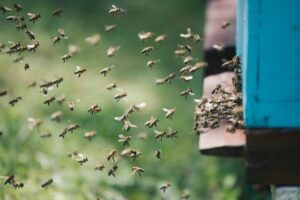
Bees are among nature’s hardest workers. Every day, they move from flower to flower, carrying pollen and helping plants reproduce. This simple act supports healthy ecosystems and plays a vital role in producing many of the fruits, vegetables, nuts, and seeds that people rely on for food. Yet these tiny pollinators are facing growing threats, and new research suggests that rising carbon dioxide (CO₂) levels may be creating an unexpected challenge, especially for larger bee species.
For years, scientists have focused mainly on how rising temperatures affect bees. Heatwaves, droughts, and changing rainfall patterns have already been linked to declines in bee populations across the world. However, researchers are now discovering that increasing concentrations of atmospheric CO₂ can also influence the health and survival of pollinators in ways that were previously overlooked.
Why Larger Bees Are More Vulnerable
The recent study found that larger-bodied bees tend to struggle more in environments with higher CO₂ concentrations. Species such as bumblebees and carpenter bees were found in lower numbers and showed reduced genetic diversity in areas where CO₂ levels were naturally elevated. Smaller bee species, on the other hand, appeared to cope better and, in some cases, even thrived under the same conditions.
Scientists believe several factors may explain this difference. Rising CO₂ levels can reduce the protein content of pollen and alter the nutritional composition of nectar by lowering sugar concentrations. Since larger bees have greater energy requirements and higher metabolic demands, poorer-quality food affects them more severely than smaller species.
In addition, large bees generally require more resources to maintain their body functions, travel longer distances and sustain their colonies. When food becomes less nutritious or less abundant, these species are often the first to suffer. Climate change, therefore, creates a double burden for larger pollinators: increasing temperatures make survival more difficult while rising CO₂ levels reduce the quality of the food they depend upon.
Why Their Decline Matters
The possible loss of larger bees is concerning because they are among the most efficient pollinators in nature. Their larger bodies allow them to carry more pollen and pollinate flowers that smaller insects may not be able to access effectively. Crops and wild plants alike depend on these pollinators for successful reproduction and seed production.
A decline in large bee populations could therefore affect entire ecosystems. Reduced pollination can lead to lower crop yields, fewer wildflowers, and less food for birds and other wildlife that depend on flowering plants. What begins as a problem for insects can quickly ripple through food systems and natural habitats.
The challenge facing pollinators is not limited to climate change alone. Habitat destruction, urban expansion, pesticide use, and invasive species are already placing immense pressure on bee populations worldwide. Rising CO₂ levels add yet another layer of stress to species that are already struggling to survive.
Protecting Nature’s Pollinators
Protecting bees requires action on multiple fronts. Reducing greenhouse gas emissions remains critical for slowing climate change and limiting further increases in atmospheric CO₂ levels. At the same time, creating pollinator-friendly habitats, planting native flowering species, reducing pesticide use, and conserving natural ecosystems can help provide bees with the resources they need to survive.
Individuals can also contribute by planting flowering gardens, supporting biodiversity initiatives, and avoiding unnecessary pesticide use in homes and farms. Even small actions can collectively make a difference for pollinator populations.
Bees may be small, but their contribution to life on Earth is enormous. The new findings serve as an important reminder that climate change affects ecosystems in complex and often unexpected ways. Protecting pollinators is not just about saving bees; it is about safeguarding food security, biodiversity, and the health of our planet for generations to come.
References:
https://pmc.ncbi.nlm.nih.gov/articles/PMC7708548
Banner Image: Photo on Pexels by Amel Uzunovic
Sections of this article may have been developed with the assistance of artificial intelligence tools to support research, drafting and language refinement. All information has been reviewed, edited and verified by the author/editor to ensure accuracy, context and editorial integrity. The responsibility for the final content, interpretations and conclusions rests solely with the publisher.