Physical Address
23,24,25 & 26, 2nd Floor, Software Technology Park India, Opp: Garware Stadium,MIDC, Chikalthana, Aurangabad, Maharashtra – 431001 India
Physical Address
23,24,25 & 26, 2nd Floor, Software Technology Park India, Opp: Garware Stadium,MIDC, Chikalthana, Aurangabad, Maharashtra – 431001 India


AI's growing power demand is spreading air pollution far beyond data centers. See what new research finds on health impacts, where they're worst and why.

The Yamuna continues to receive wastewater and other pollutants despite years of government spending on its clean-up, prompting the Supreme Court to question the results of restoration efforts. In an order dated November 4, the court observed that pollution in…

Extreme heat is emerging as a growing health concern for pregnant women and newborns in India, with nearly all Indian healthcare professionals surveyed saying they had treated patients whose health they believed had been affected by high temperatures. The findings…
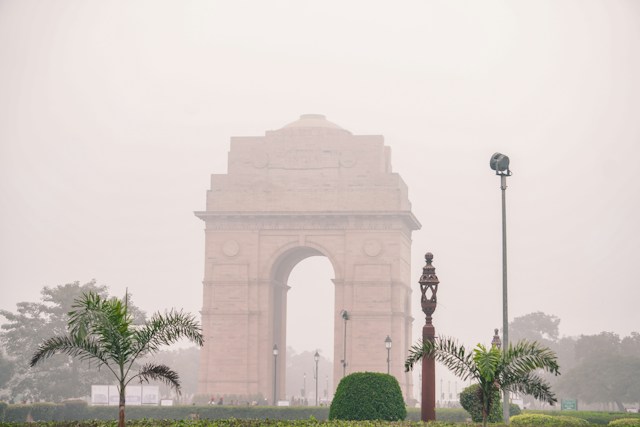
Delhi's winter AQI crosses 400 into the Severe zone as CSE reports a 3-year high in PM2.5 driven by traffic and local emissions. Read the full analysis.
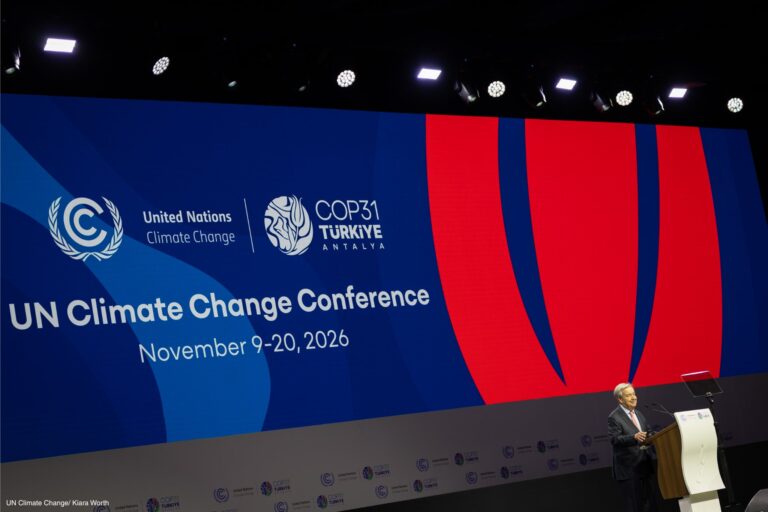
United Nations Secretary-General António Guterres has called on governments to accelerate the transition away from fossil fuels, phase out unabated coal use by 2040 and cut oil and gas consumption by around a third, warning that the world is falling…
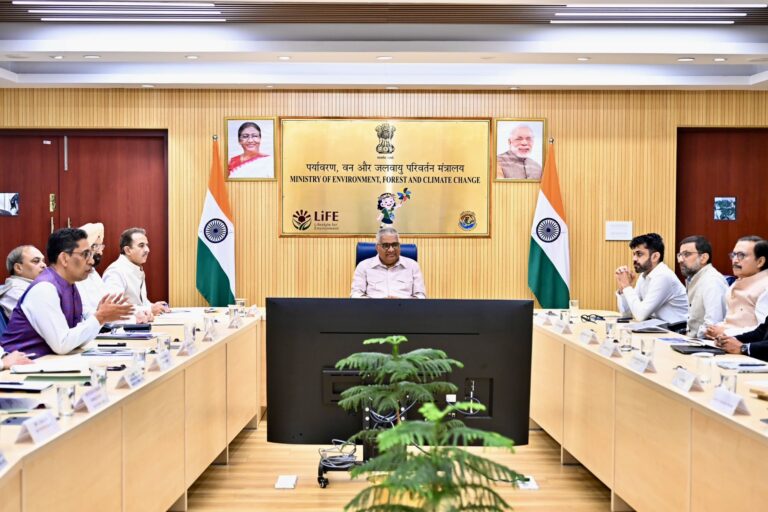
India rejects the COP31 35-by-35 Global Electrification Pledge ahead of the Antalya summit, citing grid affordability, CBAM, and a $3T climate finance gap.
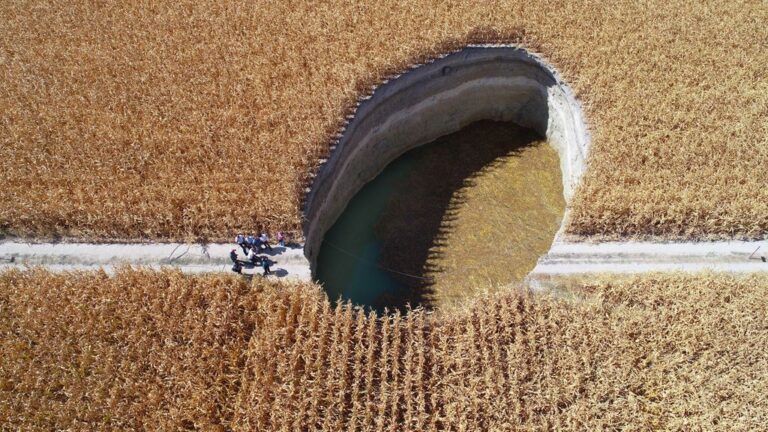
Nearly 700 sinkholes have opened across Türkiye’s Konya agricultural heartland as drought and heavy farm irrigation drain groundwater. Read the analysis.

India faces 55,000 potential heat deaths by March 2027 as Super El Niño intensifies, warns the Climate Impact Lab. Explore the full global mortality data.
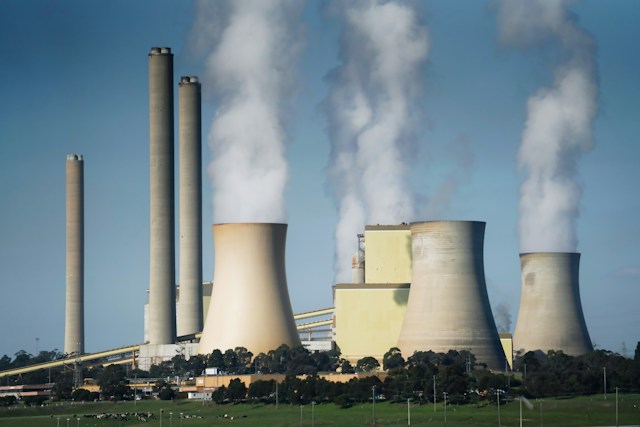
UN WMO data reveals atmospheric CO2 hit a record 426.8 ppm alongside surging methane levels, locking in future warming. Explore the full report breakdown.
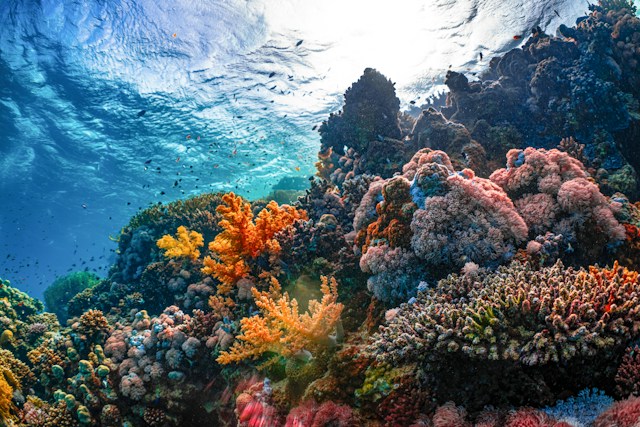
Discover how coral skeletons trap nitrogen, heavy metals, and fossil fuel pollutants in annual growth rings—offering a powerful new tool for reef health.