Physical Address
23,24,25 & 26, 2nd Floor, Software Technology Park India, Opp: Garware Stadium,MIDC, Chikalthana, Aurangabad, Maharashtra – 431001 India
Physical Address
23,24,25 & 26, 2nd Floor, Software Technology Park India, Opp: Garware Stadium,MIDC, Chikalthana, Aurangabad, Maharashtra – 431001 India


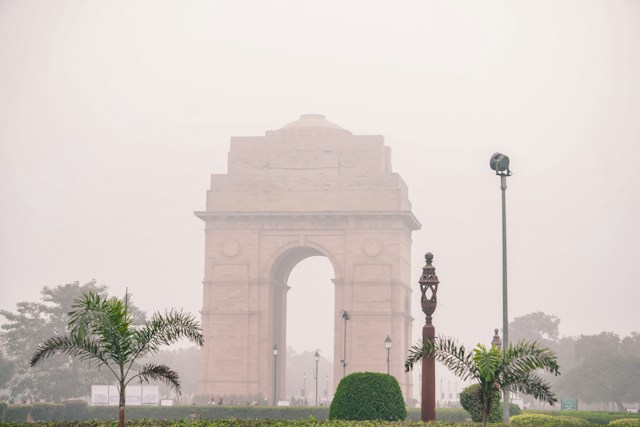
India is reeling under a rising climate emergency, with over 71% of its population exposed to severe heatwaves in just the past 12 months, according to a new nationwide survey by the Yale Program on Climate Change Communication and CVoter. From bustling metro cities to rural heartlands, the scorching temperatures have become a harsh, almost routine reality, altering daily life, straining health systems, and pushing vulnerable communities to the brink. The findings point to a growing climate burden that is no longer distant or abstract, but deeply personal and lived by millions across the country.
Widespread Exposure to Extreme Heat
The survey, encompassing 10,751 adults across India between December 2024 and February 2025, indicates that extreme weather events directly affect most of the population. Beyond heatwaves, respondents reported experiencing agricultural pests (60%), power outages (59%), water pollution (53%), droughts (52%), and severe air pollution (52%).
These findings highlight the pervasive climate-induced challenges affecting urban and rural communities. The data suggests that extreme weather events are no longer isolated incidents but have become a common aspect of daily life for many Indians.
Public Concern and Awareness
The survey also revealed that most Indians connect extreme weather events with global warming. One of the study’s authors, Jagadish Thaker, said, “During the survey, we found that the majority of people believe global warming is driving extreme weather and its related impacts in India. About 64% of Indians said global warming is causing the extinction of plant and animal species, while 62% linked it to severe heatwaves and 60% to droughts and water shortages.”
He added, “Many also feel it is leading to severe air pollution (59%), water pollution (57%), intense cyclones (54%), famines and food shortages (53%), floods (53%), changes in monsoon patterns (52%), and severe storms (50%).”
Health and Economic Implications
The increasing frequency and intensity of heatwaves have profound health implications. Heat-related illnesses, such as heatstroke and dehydration, are rising, particularly among vulnerable populations like the elderly and outdoor workers.
Economically, the heatwaves have led to significant productivity losses. In 2021 alone, India lost an estimated 167.2 billion potential labour hours due to extreme heat, equating to approximately 5.4% of the country’s GDP.
Need for Adaptive Measures
The study emphasises the urgent need for adaptive strategies to mitigate the effects of extreme heat. Implementing heat action plans, improving infrastructure, and raising public awareness are critical steps in building resilience against future heat waves. Moreover, transitioning to renewable energy sources and reducing greenhouse gas emissions are essential in addressing the root causes of climate change. Collective action from policymakers, communities, and individuals is imperative to safeguard the health and well-being of India’s population.
With 71% of Indians experiencing severe heat waves in the past year, the escalating climate crisis demands immediate and sustained action. As extreme weather becomes the new normal, it is crucial to implement proactive measures that protect vulnerable communities and secure a resilient, sustainable future for all.
References:
Climate Impacts in India: Experience, Worry, and Attribution to Global Warming
https://www.sciencedirect.com/science/article/pii/S0160412024000473
Banner image:
Photo by Ibrahim Rifath on Unsplash

Comments are closed.





y46u1w
kamagra oral jelly: kamagra oral jelly – kamagra livraison 24h