Physical Address
23,24,25 & 26, 2nd Floor, Software Technology Park India, Opp: Garware Stadium,MIDC, Chikalthana, Aurangabad, Maharashtra – 431001 India
Physical Address
23,24,25 & 26, 2nd Floor, Software Technology Park India, Opp: Garware Stadium,MIDC, Chikalthana, Aurangabad, Maharashtra – 431001 India

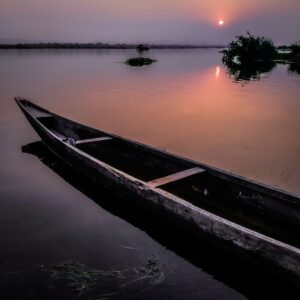
The Odisha government’s new plan to transform the Hirakud Dam region into a major tourism destination has prompted growing discussions around environmental protection and structural safety of the dam. The proposal seeks to introduce cruise tourism, floating hotels, themed entertainment zones and other commercial attractions around the reservoir. While officials say the project will bring economic opportunities, many stakeholders from Sambalpur and surrounding districts believe the fragile ecosystem and the dam’s safety could be threatened if tourism is promoted without a cautious roadmap.
The state’s water resources department has already issued site specific no objection certificates NOCs for eight out of nine proposed tourism locations in Sambalpur and Jharsuguda districts. The proposal is part of a wider master plan designed to attract investors and boost visitor footfall. Yet residents, environmental activists and local farmer groups insist that the plan must not compromise the original purpose of the dam which includes irrigation, flood control and power generation.
Plans for Tourism Expansion Gain Administrative Momentum
The government’s blueprint envisions a range of tourism facilities such as a laser music show, a day cruising terminal, hotels including floating accommodation, arrival plazas, retail spaces, caravan parking and a dedicated museum highlighting the history of the dam. Officials describe the project as a step toward making the region a hub for recreation while positioning Hirakud among the top tourism circuits in eastern India.
According to official communication, the no objection certificates granted by the water resources department contain strict instructions on land use, distance from the dam structure and activity restrictions. Authorities have specified that all land to be used for tourism must be above 642 feet from the reservoir level and that certain activities including water sports, swimming, diving and fishing will not be permitted upstream to ensure safe operations. The government believes these safeguards will minimise potential risks and preserve the functionality of the dam.
Structural Precautions Bring Safety Into the Spotlight
One of the nine proposed sites did not receive an approval due to concerns about the structural well being of the dam. The location referred to as Ashok Niwas Hill Front is situated near the right butting of the dam. Officials warned that construction in this zone could compromise the stability of the structure because it rests on the Chandli Dungri Hill. This decision has reinforced doubts among residents who question whether other tourism installations might also place strain on the region if monitoring and risk studies are not conducted thoroughly.
The issue has become more sensitive because Hirakud Dam has supported the region for decades and millions of people depend on it directly or indirectly. Many residents feel that recreational construction should not occupy areas that influence the physical integrity of such an important asset. Local voices are calling for transparency on hydrological, geological and engineering assessments before companies are allowed to begin development.
Ecological Concerns and Voices of Opposition Grow Stronger
Environmental groups and community members argue that the reservoir is home to a thriving biodiversity network that requires careful management. The water body supports a range of aquatic species and attracts migratory birds every year. They fear that an influx of tourism involving traffic, noise, lighting and commercial waste could disturb the natural setting. Critics insist that the master plan could alter ecological functions if not handled responsibly.
A number of activists and legal advocates say the government should hold wider public consultations before finalising contracts and construction timelines. They argue that local communities deserve a say in how the region is reshaped, especially people who rely on the reservoir for fishing, agriculture and cultural practices. They also question whether benefits from tourism development will reach the public or remain concentrated among corporations and private operators.
References: