Physical Address
23,24,25 & 26, 2nd Floor, Software Technology Park India, Opp: Garware Stadium,MIDC, Chikalthana, Aurangabad, Maharashtra – 431001 India
Physical Address
23,24,25 & 26, 2nd Floor, Software Technology Park India, Opp: Garware Stadium,MIDC, Chikalthana, Aurangabad, Maharashtra – 431001 India

When people hear the word “rainforest”, they often imagine the Amazon or dense tropical forests filled with exotic wildlife. However, some of the world’s rarest rainforests exist in much cooler regions. Scotland is home to fragments of temperate rainforest: ancient, moisture-rich woodlands that support unique plants, fungi and tiny organisms found in very few places on Earth. Although these forests have declined over centuries, recent discoveries of rare species within them have highlighted both their ecological value and the urgent need for protection.
These temperate rainforests thrive in cool, wet conditions and are covered with thick layers of moss, lichens and ferns. The environment creates a delicate ecosystem where countless species depend on one another for survival. Many of these organisms are so small or unusual that they often go unnoticed, yet they play critical roles in maintaining forest health.
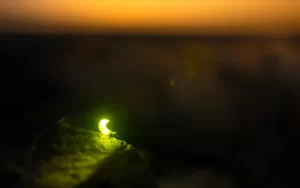
Recent findings of uncommon species, including rare slime moulds and glow worms, have attracted the attention of scientists and conservationists. Such discoveries suggest that these forests still hold hidden biodiversity despite years of environmental pressure. They also indicate that many species may survive in isolated pockets, protected only by the remaining fragments of suitable habitat.
A Fragile Ecosystem Under Threat
Scotland’s temperate rainforests once covered much larger areas, but human activities have significantly reduced their extent. Deforestation, changes in land use, overgrazing by deer and livestock, and the spread of invasive species have fragmented these ancient woodlands. As forests become smaller and more disconnected, species lose access to the stable environments they need to survive.
Habitat fragmentation can have serious consequences. Species adapted to cool, humid rainforest conditions often struggle to survive elsewhere. Even slight environmental changes can disrupt breeding patterns, food availability and ecological relationships developed over centuries. Over time, rare organisms may disappear before scientists fully understand their importance.
Conservation experts warn that biodiversity loss frequently occurs quietly. Unlike dramatic environmental disasters, gradual ecosystem decline may remain unnoticed until populations have already reached critical levels. Therefore, protecting existing rainforest habitats is considered as important as restoring damaged ones.
The rare species discovered in Scotland’s rainforests demonstrate that these ecosystems continue to support specialised life forms. Their survival reflects the resilience of nature, but resilience alone may not be enough without active conservation efforts.
Why Rediscovered Species Matter for the Future
Discoveries of unusual organisms often provide valuable insight into ecosystem health. For example, glow worms are known for producing natural light through bioluminescence. Their presence can indicate environmental conditions suitable for highly specialised species. Similarly, slime moulds, despite their strange appearance to contribute to decomposition processes and nutrient recycling, helping maintain ecological balance.
Finding rare organisms also reminds scientists that many ecosystems remain insufficiently explored. Species that appear uncommon may simply have been overlooked due to their size, behaviour or remote habitats. Continued research can improve understanding of biodiversity and support more effective conservation strategies.
Efforts to restore Scotland’s rainforests increasingly focus on reducing grazing pressure, controlling invasive species and reconnecting fragmented woodland areas. These measures aim to rebuild healthier ecosystems where native species can recover naturally over time.
The significance of Scotland’s rainforest extends beyond one region. It reflects a broader global challenge: preserving biodiversity in the face of environmental change. Every ecosystem contains interconnected species whose survival influences ecological stability. Losing even small organisms can create effects that spread throughout food chains and habitats.
The hidden life found within Scotland’s ancient forests offers a hopeful message. Despite years of decline, nature continues to endure where conditions allow. Protecting these rare rainforests means safeguarding not only individual species but also ecological processes shaped over thousands of years.
The future of these forests will depend on long-term conservation decisions made today. The rare species emerging from their shadows serve as reminders that protecting biodiversity is essential for preserving the natural world for future generations.
References:
https://www.bbc.com/news/articles/ce8pe9k304jo
https://pmc.ncbi.nlm.nih.gov/articles/PMC4643828
Banner Image: Photo on Pexels by Mark Piwnicki
Sections of this article may have been developed with the assistance of artificial intelligence tools to support research, drafting, and language refinement. All information has been reviewed, edited, and verified by the author/editor to ensure accuracy, context, and editorial integrity. The responsibility for the final content, interpretations, and conclusions rests solely with the publisher.