Physical Address
23,24,25 & 26, 2nd Floor, Software Technology Park India, Opp: Garware Stadium,MIDC, Chikalthana, Aurangabad, Maharashtra – 431001 India
Physical Address
23,24,25 & 26, 2nd Floor, Software Technology Park India, Opp: Garware Stadium,MIDC, Chikalthana, Aurangabad, Maharashtra – 431001 India

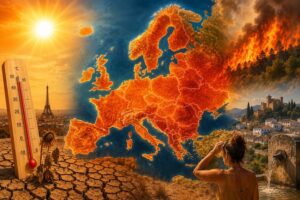
Europe is experiencing another alarming reminder of climate change as countries like France and Spain face unusually high temperatures much earlier than expected. What should have been a pleasant spring season has instead turned into intense summer-like heat, with several regions recording temperatures far above normal for May. The unusual weather conditions have not only disrupted daily life but have also renewed concerns about the increasing frequency of extreme climate events across the world.
In France, meteorologists reported some of the highest May temperatures ever recorded in many parts of the country. Cities that are usually comfortable during this time of year suddenly experienced scorching afternoons and unusually warm nights. Authorities issued public advisories asking people to stay indoors during peak heat hours, remain hydrated, and take precautions against heat-related illnesses. Similar conditions were witnessed in Spain, where temperatures climbed to levels more commonly associated with the peak summer months of July and August.
The early arrival of such intense heat has surprised many people, but climate scientists say these events are becoming increasingly common due to global warming. Over the last few years, Europe has repeatedly witnessed record-breaking heatwaves, droughts, and wildfires. Experts believe the current heatwave is another indication that climate patterns are shifting rapidly because of rising greenhouse gas emissions and human activities affecting the environment.
Rising Temperatures and Their Growing Impact
Heatwaves are no longer limited to a few isolated incidents during summer. They are arriving earlier, lasting longer, and becoming more severe. Scientists explain that warmer global temperatures trap more heat in the atmosphere, increasing the likelihood of prolonged periods of extreme weather. Europe, in particular, has become one of the fastest-warming regions in the world.
The impact of rising temperatures is visible in many aspects of daily life. In cities across France and Spain, outdoor activities have reduced significantly as people try to avoid exposure to extreme heat. Cafés, markets, and public spaces that are usually crowded during spring afternoons are becoming quieter. Public health systems are also under pressure as hospitals prepare for an increase in cases of dehydration, heatstroke, and respiratory problems.
Elderly people, children, and outdoor workers are among the most vulnerable during such conditions. Many European homes are designed to retain warmth during cold winters and are not well equipped to handle extreme summer heat. As a result, residents often struggle to keep indoor temperatures comfortable. This has also increased the demand for electricity due to the growing use of fans and cooling systems.
Agriculture is another sector facing serious consequences. Farmers in Spain and southern France are worried about the impact of heat and reduced rainfall on crops. High temperatures can dry out soil quickly, reduce water availability, and damage fruit and vegetable production. Vineyards, olive farms, and wheat-growing regions are especially vulnerable. If these conditions continue, farmers may face lower yields and economic losses in the coming months.
Environmental experts are also concerned about the increasing risk of wildfires. Dry vegetation combined with strong heat creates dangerous conditions that can allow fires to spread rapidly. Southern Europe has already faced devastating wildfire seasons in recent years, destroying forests, wildlife habitats, and human settlements. Early heatwaves raise fears that this year’s wildfire season could become even more severe.
Climate Action Can No Longer Wait
The heatwave affecting Europe is not just a temporary weather event; it reflects a much larger environmental crisis. Scientists around the world have repeatedly warned that climate change is intensifying extreme weather events. Rising global temperatures are linked to increased heatwaves, floods, droughts, storms, and melting glaciers. What was once considered unusual is gradually becoming the new normal.
Governments and environmental organizations are urging stronger climate action to reduce future risks. Reducing greenhouse gas emissions remains one of the most important steps in limiting global warming. Countries are being encouraged to shift towards renewable energy sources such as solar and wind power, reduce dependence on fossil fuels, and invest in sustainable infrastructure.
At the same time, adaptation measures are becoming equally important. Cities need better urban planning with more green spaces, improved public cooling systems, and efficient water management. Public awareness campaigns can also help people understand how to stay safe during extreme heat conditions. Schools, workplaces, and healthcare systems must be prepared for the growing challenges associated with climate change.
The current situation in Europe also carries lessons for the rest of the world. Countries across Asia, Africa, and the Americas are already experiencing climate-related disasters in different forms. India, for example, has witnessed severe heatwaves, water shortages, and irregular rainfall patterns in recent years. These events show that climate change is a global issue requiring collective international action.
The unusually high temperatures in France and Spain are a strong reminder that environmental challenges can no longer be ignored. Climate change is affecting ecosystems, economies, and human health at an unprecedented scale. The decisions taken today regarding sustainability, conservation, and clean energy will shape the future of the planet. As heatwaves continue to arrive earlier and grow more intense, the need for urgent and responsible climate action becomes more important than ever.
References:
https://www.theguardian.com/world/2026/may/25/france-highest-ever-may-temperatures-spain-heatwave
https://wmo.int/media/news/fao-and-wmo-report-highlights-extreme-heat-risks-agriculture
https://www.sciencedirect.com/science/article/pii/S2773049225000182
https://pmc.ncbi.nlm.nih.gov/articles/PMC10422716/
Banner Image: AI Generated