Physical Address
23,24,25 & 26, 2nd Floor, Software Technology Park India, Opp: Garware Stadium,MIDC, Chikalthana, Aurangabad, Maharashtra – 431001 India
Physical Address
23,24,25 & 26, 2nd Floor, Software Technology Park India, Opp: Garware Stadium,MIDC, Chikalthana, Aurangabad, Maharashtra – 431001 India

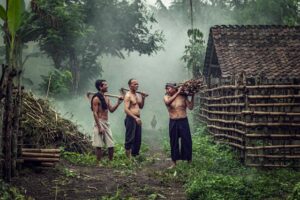
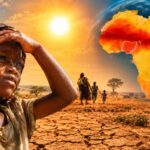
As the world races to tackle climate change, Indigenous Peoples who have long protected the planet’s ecosystems are being left behind, according to a new United Nations report. Released this week, The State of the World’s Indigenous Peoples highlights a profound injustice. Although Indigenous communities make up only 6% of the world’s population, they safeguard 80% of the remaining biodiversity. Despite this vital role, they receive less than 1% of global climate funding. Without their leadership, experts warn, real progress on climate action will remain out of reach.
Indigenous Knowledge is Scientific Knowledge
The report calls for a complete shift in how Indigenous knowledge is perceived. It stresses that Indigenous systems should no longer be seen as folklore or simply traditions. Instead, they must be recognised as rigorous, scientific bodies of knowledge that have been developed through centuries of direct interaction with nature.
There are inspiring examples from across the world. In the Peruvian Andes, Quechua communities have revived ancient techniques of water sowing and harvesting to deal with shrinking glaciers and drought. Their success is now being shared with farmers in Costa Rica. In Somalia, cultural traditions that protect sacred trees act as robust environmental safeguards.
Meanwhile, the Comcaac people of Mexico embed critical ecological information into their language. Their place names reflect detailed knowledge about wildlife migration and breeding patterns, knowledge that is essential for survival.
Green Energy Projects Are Not Always Fair
The report points out that the global shift to renewable energy has not always been fair to Indigenous Peoples. In many cases, projects intended to combat climate change have ended up harming the very communities most closely connected to the environment.
Mining for minerals like lithium and cobalt in Africa has expanded rapidly to support the development of clean technologies. However, these projects often proceed without the free, prior, and informed consent of Indigenous groups, leading to environmental damage and displacement. Similarly, carbon offset schemes in the Americas have been launched on Indigenous lands without proper consultation, depriving communities of their rights and resources.
Hindou Oumarou Ibrahim, Chair of the UN Permanent Forum on Indigenous Issues, warned that so-called green solutions can be just as damaging as the climate crisis if Indigenous voices continue to be ignored.
Climate Change Is Threatening Indigenous Health
The impact of climate change on Indigenous Peoples is not limited to land and culture. Their health is also under serious threat, according to a chapter in the report contributed by the World Health Organisation.
In the Arctic, changes in wildlife migration and weather patterns are making traditional hunting and harvesting difficult, which threatens food security and increases stress within communities. In East Africa, Indigenous women are more vulnerable to diseases such as schistosomiasis and leishmaniasis. In the Amazon, the loss of biodiversity has reduced access to traditional foods and medicines, increasing the risk of malnutrition, especially among pregnant and nursing women.
Despite these hardships, many Indigenous communities are showing remarkable resilience. They are restoring traditional diets, adapting harvesting schedules to new climate patterns, and ensuring that younger generations continue to learn and preserve ecological knowledge.
Excluded from Funding and Decision-Making
Even though Indigenous Peoples are increasingly mentioned in international climate discussions, the report shows that real participation remains limited. Structural barriers prevent many Indigenous communities from accessing international climate finance. Less than 1% of all climate funding reaches Indigenous Peoples directly.
The UN report calls for a fundamental change. It urges the creation of Indigenous-led financial mechanisms, the recognition of Indigenous governance systems, and stronger protections for data sovereignty. Unless these changes are made, the report warns, climate action will continue to repeat the very patterns of exclusion and injustice that have brought the planet to its current state.
References:
Indigenous Peoples sidelined in global climate fight, UN warns | UN News
Banner image:
Photo by Suhendro Winarso on Unsplash

Comments are closed.

o3vvs6