Physical Address
23,24,25 & 26, 2nd Floor, Software Technology Park India, Opp: Garware Stadium,MIDC, Chikalthana, Aurangabad, Maharashtra – 431001 India
Physical Address
23,24,25 & 26, 2nd Floor, Software Technology Park India, Opp: Garware Stadium,MIDC, Chikalthana, Aurangabad, Maharashtra – 431001 India

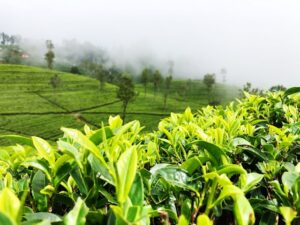
For generations, tea has been more than just a beverage in Sri Lanka. It is an identity, an export backbone, and a symbol of quality recognized across the world. From the bright, brisk flavors of high-grown teas to the strong, full-bodied character of low-country varieties, Sri Lankan tea, often marketed as Ceylon tea, has long been prized for its consistency and balance.
But that balance is beginning to shift.
A recent global report by Christian Aid warns that climate change is not only disrupting tea production worldwide but also altering something more subtle yet deeply important: taste. The report highlights how rising temperatures, erratic rainfall, and extreme weather are changing the chemistry of tea leaves, leading to a more bitter and inconsistent brew.
In Sri Lanka, these global warnings are already becoming a lived reality.
A Changing Cup: From Smooth to Bitter
Speaking with Climate Fact Checks, Dr. M. A. Wijeratne, former Additional Director of the Tea Research Institute of Sri Lanka, said the taste of tea is directly tied to its biochemical composition; particularly compounds such as polyphenols and amino acids. “When temperature increases, the concentration of polyphenols increases. As a result, the astringency and bitterness of tea also increase,” he explained. This observation closely aligns with scientific findings in the report, which notes that rising temperatures tend to increase compounds linked to bitterness while reducing those responsible for sweetness and balance.
Historically, Sri Lanka’s high-grown teas, produced in cooler, elevated regions such as Nuwara Eliya, have been celebrated for their delicate flavour, low bitterness, and bright aroma. However, Dr. Wijeratne points out a worrying shift. “Earlier, high-country tea in Sri Lanka was world famous for its low bitterness and astringency. Now, it is becoming more bitter than usual.”
This transformation signals more than just a change in flavour, it reflects a deeper disruption in the ecological conditions that have sustained Sri Lanka’s tea industry for over a century.
Climate Stress and Biochemical Change
Tea is a highly climate-sensitive crop. It thrives within a narrow temperature range and depends on stable rainfall patterns. Even minor changes can affect both yield and quality. As temperatures rise across Sri Lanka, tea plants experience stress. This stress alters the internal chemistry of the leaves. Polyphenols, which contribute to bitterness and astringency, increase. Meanwhile, amino acids, responsible for sweetness and umami balance decline.
The result is a harsher, less rounded cup of tea.
Erratic rainfall adds another layer of complexity. Excessive rain can dilute flavour compounds, while drought conditions reduce leaf growth and quality. The report emphasises that such instability leads not only to lower yields but also to inconsistent taste profiles from season to season. In Sri Lanka, where seasonal variation has traditionally contributed to the uniqueness of different tea grades, this unpredictability is becoming more pronounced and more problematic.
The Hidden Cost: Chemicals and Changing Practices
Climate change is not acting alone. It is triggering a cascade of secondary effects that further influence tea quality. One major issue is the increasing use of agrochemicals. “With rising temperatures, pests and insects become more common,” Dr. Wijeratne noted. “To manage them, producers have to use more insecticides.”
Weeds are also becoming more aggressive due to changing climatic conditions. As a result, tea growers are increasingly relying on herbicides such as glyphosate to maintain plantations. The increased use of chemicals can alter the biochemical composition of tea leaves, further affecting taste. Second, it raises concerns about the presence of chemical residues in tea, an issue that could have serious consequences for Sri Lanka’s export markets.
The global report echoes this concern, noting that climate change is likely to increase reliance on pesticides and fertilizers, raising both production costs and environmental risks. For a country like Sri Lanka, where tea exports are a major source of foreign exchange, any decline in quality or safety standards could directly impact economic stability.
Uneven Impacts Across Tea Regions
Interestingly, climate change is not affecting all tea-growing regions in Sri Lanka in the same way. Dr. Wijeratne explains that rising temperatures may actually increase production in some high-altitude areas, where previously cooler conditions limited growth. However, this does not necessarily translate into better quality.
At the same time, low-country tea regions already warmer are experiencing reduced production due to heat stress and water scarcity. “When it comes to the direct impact of temperature, low-country tea production is decreasing, while high-country production may increase,” he said. “But overall, tea production and harvest are declining due to climate change.”
This uneven impact reflects a broader global trend identified in the report: climate change is not causing a simple decline in tea production but rather increasing instability and variability.
Economic Risks and Export Challenges
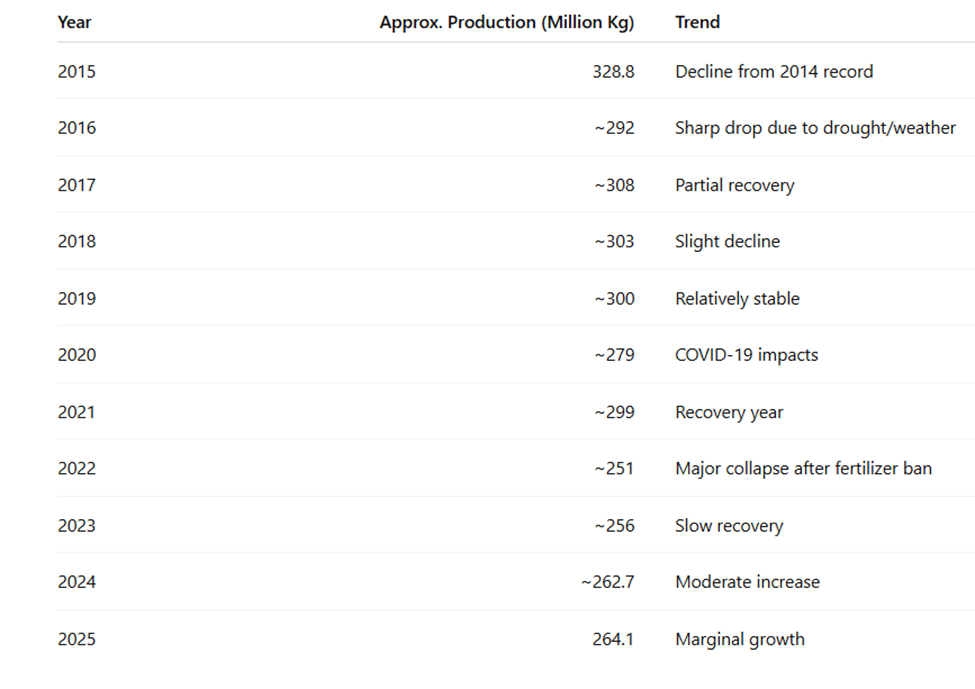
Sri Lanka’s tea industry is deeply integrated into global markets. Any change in quality, yield, or consistency has immediate economic consequences. The report warns that climate-driven disruptions are likely to increase price volatility, with more frequent supply shocks and rising production costs.
For Sri Lanka, this could mean:
· Reduced export volumes
· Lower market prices due to quality concerns
· Increased costs from chemical inputs and climate adaptation
· Greater competition from other tea-producing countries
Dr. Wijeratne emphasises that the inclusion of harmful chemical residues could further damage Sri Lanka’s reputation in international markets.
“Changes in taste and the inclusion of chemicals can directly impact the export value of tea,” he said. This is particularly concerning given that Sri Lanka’s tea brand has long been built on quality, purity, and distinct flavour profiles.
A Threat to Identity and Livelihoods
Beyond economics, the changing taste of tea represents a cultural and social challenge.
Tea is woven into the daily lives of Sri Lankans and millions of consumers worldwide. A shift in flavour, from smooth and balanced to bitter and inconsistent, alters not just the drinking experience but also the identity of the product itself.
Globally, the tea industry supports millions of workers, many of whom are already vulnerable to climate and economic shocks. In Sri Lanka, estate workers and smallholders are likely to bear the brunt of these changes, facing reduced incomes and increased uncertainty.
The Way Forward
The findings from both the global report and local expert insights point to an urgent need for action.
Adaptation strategies in Sri Lanka could include:
· Developing climate-resilient tea varieties
· Reducing dependence on chemical inputs through sustainable farming
· Improving water management and soil conservation
· Strengthening research and monitoring through institutions like the Tea Research Institute
· Supporting smallholder farmers with financial and technical resources
At the same time, global efforts to reduce greenhouse gas emissions remain critical. Without addressing the root causes of climate change, local adaptation measures may only provide temporary relief.
Conclusion: The Future of the Sri Lankan Brew
The story of Sri Lankan tea is entering a new chapter—one shaped by climate uncertainty and biochemical change.What was once a predictable and consistent product is becoming more variable, more bitter, and more vulnerable.As the Christian Aid report puts it, the risk is not just that tea becomes more expensive, but that it becomes “more harsh, less balanced and bitter.”
In Sri Lanka, that future is already unfolding.
The challenge now is not only to protect production but to preserve the very essence of what makes Ceylon tea unique. Because in every cup of tea lies a delicate balance—one that climate change is steadily tipping.
References
Banner Image: Photo by Yasasi Rajapakse on Unsplash
Sections of this article may have been developed with the assistance of artificial intelligence tools to support research, drafting and language refinement. All information has been reviewed, edited and verified by the author/editor to ensure accuracy, context and editorial integrity. The responsibility for the final content, interpretations and conclusions rests solely with the publisher.