Physical Address
23,24,25 & 26, 2nd Floor, Software Technology Park India, Opp: Garware Stadium,MIDC, Chikalthana, Aurangabad, Maharashtra – 431001 India
Physical Address
23,24,25 & 26, 2nd Floor, Software Technology Park India, Opp: Garware Stadium,MIDC, Chikalthana, Aurangabad, Maharashtra – 431001 India

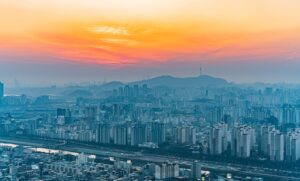
South Korea has recorded the highest temperature in its modern history as an intense heatwave swept across the Korean Peninsula, prompting emergency warnings, disrupting daily life and raising fresh concerns about the growing impact of climate change on extreme weather. The southeastern city of Yangsan registered 42.5 degrees Celsius on August 3, the highest temperature recorded since national weather observations began in 1904. Authorities have urged people to avoid all outdoor activities in affected areas as the country battles a prolonged spell of dangerous heat that has already caused deaths, strained water supplies and increased pressure on the power grid. Scientists say rising global temperatures are making heatwaves more frequent and more intense across East Asia.
South Korea records its hottest day in more than a century
The Korea Meteorological Administration (KMA) said the temperature in Yangsan reached 42.5 degrees Celsius, surpassing the previous national record and marking the first time temperatures have crossed 42 degrees Celsius since modern observations began 122 years ago. Yangsan has now recorded temperatures above 40 degrees Celsius for five consecutive days, highlighting the severity of the ongoing heatwave. Several other cities, including Busan, Gimhae, Gyeongju, and Gwangyang, also crossed the 40-degree mark.
The KMA attributed the unprecedented heat to a combination of the North Pacific High and the Tibetan High, two persistent high-pressure systems that have trapped hot air over the Korean Peninsula while suppressing cloud formation and rainfall. Authorities issued emergency heatwave alerts across more than 20 localities, warning residents to immediately stop outdoor activities because of the life-threatening conditions. Indoor spaces without air conditioning were also described as potentially dangerous.
The government has raised the Central Disaster and Safety Countermeasures Headquarters to Level 2, expanding emergency inspections and support measures as the extreme heat continues. According to the Korea Disease Control and Prevention Agency, 1,889 heat-related illnesses and 14 deaths had been reported between May 15 and August 3. Professional baseball games in Changwon were cancelled for the second consecutive day because of the dangerous temperatures, while thousands of people sought relief at beaches, rivers and public cooling centres.
Heatwave intensifies drought and strains water supplies
The prolonged heat has also deepened drought conditions in parts of the country after an unusually weak summer monsoon. Reservoirs supplying water to several cities have fallen sharply, with the Unmun Dam, which provides water to Daegu, dropping to around 27% capacity, placing it in the country’s highest drought category. Some agricultural reservoirs in the surrounding region have fallen to nearly 1% capacity, raising concerns about irrigation and drinking water supplies if dry conditions persist.
Electricity demand has surged as households and businesses rely heavily on air conditioning to cope with the heat. Authorities have introduced emergency measures to maintain stable power supplies while urging people to reduce electricity use during peak hours. Farmers are also reporting growing stress on crops and livestock as exceptionally high daytime and nighttime temperatures reduce recovery time for plants and animals.
According to KMA data, the average annual number of heatwave days in South Korea has more than doubled over the past five years to around 19 days, compared with about eight days during the 1970s. A heatwave day is defined as one in which the maximum temperature reaches at least 33 degrees Celsius.
Scientists warn climate change is increasing heat extremes
Climate scientists say the record temperatures are consistent with long-term warming trends that are increasing the frequency and intensity of heatwaves across East Asia. The Intergovernmental Panel on Climate Change (IPCC) has concluded that human-induced climate change has made extreme heat events more common and more severe across most land regions, with Asia identified as one of the regions expected to experience greater heat-related risks as global temperatures continue to rise.
Meteorologists expect the hot weather to continue through the week, with daytime temperatures remaining well above seasonal averages across much of the country. Officials have urged residents, particularly older adults, outdoor workers and people with existing health conditions, to stay indoors during the hottest part of the day, drink plenty of water and seek immediate medical attention if symptoms of heat-related illness develop. With little sign of significant rainfall in the forecast, authorities warn that pressure on water resources, agriculture and public health is likely to continue until temperatures begin to ease.
References:
https://phys.org/news/2026-08-south-korea-highest-temperature.html
https://www.theguardian.com/world/2026/aug/03/south-korea-highest-temperature
https://www.theguardian.com/world/2026/aug/03/south-korea-highest-temperature
https://news.sbs.co.kr/english/article.do?news_id=N1008688498
Banner image: Photo by Ethan Brooke on Unsplash
Sections of this article may have been developed with the assistance of artificial intelligence tools to support research, drafting and language refinement. All information has been reviewed, edited and verified by the author/editor to ensure accuracy, context and editorial integrity. The responsibility for the final content, interpretations and conclusions rests solely with the publisher.