Physical Address
23,24,25 & 26, 2nd Floor, Software Technology Park India, Opp: Garware Stadium,MIDC, Chikalthana, Aurangabad, Maharashtra – 431001 India
Physical Address
23,24,25 & 26, 2nd Floor, Software Technology Park India, Opp: Garware Stadium,MIDC, Chikalthana, Aurangabad, Maharashtra – 431001 India


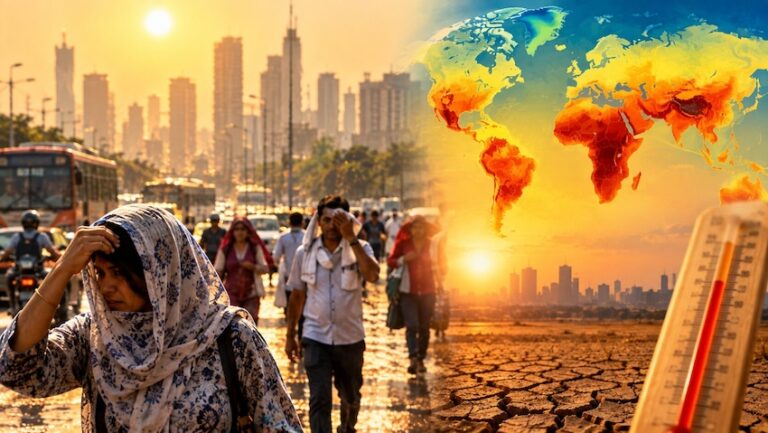
This May might feel different from the harsh summers people across India are used to. The India Meteorological Department has indicated that many regions are likely to experience relatively cooler conditions. The key reason is higher rainfall activity expected during the month.
May is usually the peak of summer in India. Temperatures often rise sharply across the north, central, and western parts, with heatwaves becoming a common feature. This year, however, changing weather patterns appear to be softening that intensity. The IMD has projected above-normal rainfall, which is expected to influence temperature trends across large parts of the country.
Cloud cover plays an important role in this shift. Frequent rain spells and thunderstorms limit direct solar heating during the day. As a result, maximum temperatures may not climb as high as they typically do in May. Several areas, particularly in central and eastern India, could see fewer extreme heat days compared to previous years.
Rainfall Brings Relief, But Heat Persists in Pockets
The expected rainfall is likely to break long stretches of dry and scorching weather. Short bursts of rain, combined with gusty winds and thunderstorms, may bring temporary relief in many cities. This pattern is especially significant for regions that usually struggle with prolonged heat during this period.
At the same time, the cooling effect will not be evenly distributed. Some regions are still likely to experience heatwave conditions. Parts of western India, including Gujarat and Maharashtra, may continue to see higher temperatures on certain days. Areas near the Himalayan foothills could also record above-normal heatwave activity. These regional variations highlight how uneven weather patterns can be across the country.
Another aspect to consider is the impact on daily comfort. While daytime temperatures may drop slightly, humidity levels are expected to rise. Increased moisture in the air can make conditions feel warmer than what thermometers indicate. This effect may be more noticeable in urban areas, where heat retention is already a concern.
Warmer Nights and Changing Weather Dynamics
Night-time conditions may not offer the same level of relief as the daytime. Cloud cover tends to trap heat close to the surface, preventing temperatures from falling significantly after sunset. This can lead to warm and humid nights, which may feel uncomfortable despite cooler afternoons.
Meteorologists point to several factors behind this unusual pattern. Western disturbances are likely to remain active during the month. Moisture inflow from nearby seas is also contributing to the formation of rain-bearing systems. Wind patterns across the subcontinent are aligning in a way that supports repeated spells of rainfall and thunderstorms, especially during the first half of May.
Global climate influences are also playing a role. The presence of El Niño conditions in the Pacific Ocean usually leads to hotter and drier weather in India. This time, its effect appears to be moderated by regional atmospheric systems. The interaction between global and local factors is creating a more balanced, though less predictable, weather pattern.
The implications of this shift extend beyond day-to-day comfort. Cooler conditions may help reduce electricity demand for cooling in some regions. Agricultural activity could benefit from timely pre-monsoon showers, particularly for soil moisture. However, uneven rainfall distribution remains a concern. Sudden heavy showers or localized storms can disrupt normal life and affect crops if not well distributed.
Overall, May 2026 is shaping up to be a month of contrasts. Many parts of India may experience a break from extreme heat, while others continue to face challenging conditions. The mix of cooler days, humid nights, and sudden weather changes reflects the growing complexity of India’s climate.
References
https://www.sciencedirect.com/science/article/pii/S1570644325000073
Banner Image: Photo by Kireyonok_Yuliya on Magnific
Sections of this article may have been developed with the assistance of artificial intelligence tools to support research, drafting, and language refinement. All information has been reviewed, edited, and verified by the author/editor to ensure accuracy, context, and editorial integrity. The responsibility for the final content, interpretations, and conclusions rests solely with the publisher.