Physical Address
23,24,25 & 26, 2nd Floor, Software Technology Park India, Opp: Garware Stadium,MIDC, Chikalthana, Aurangabad, Maharashtra – 431001 India
Physical Address
23,24,25 & 26, 2nd Floor, Software Technology Park India, Opp: Garware Stadium,MIDC, Chikalthana, Aurangabad, Maharashtra – 431001 India
Climate change is often framed as a distant problem, something that will unfold over decades. But for many people, its effects are already part of daily life. Summers feel longer and harder to cope with. Food prices shift in ways that are difficult to explain. Water availability is becoming less predictable in both rural and urban areas. What once seemed like isolated disruptions now appear more frequent and connected. As Global Action Days 2026, observed worldwide between April 22- May 6 brought attention to climate realities, the focus is no longer just on awareness but on what people are already experiencing.
From Heatwaves to Extreme Events: A Crisis No Longer in the Future
Heatwaves are becoming more frequent and intense across several parts of India. Data from the India Meteorological Department shows a rise in both the number of heatwave days and their duration, particularly in northern and central regions. In recent years, unusually early heat conditions have affected agricultural cycles and daily routines, especially for people working outdoors. These are not isolated events. They are part of a broader warming trend observed globally.
Extreme weather events are also becoming more noticeable. Rising temperatures increase the likelihood of intense rainfall and other extreme events. This is visible in the increasing frequency of heavy rain episodes, flash floods, and stronger cyclones in parts of South Asia. The World Meteorological Organisation (WMO) has also confirmed 2025 has been one of the warmest on record, which increases the probability of such extremes. These changes are already influencing how cities plan infrastructure and how communities prepare for seasonal risks.
Food, Water, and Energy Systems Under Growing Pressure
Agriculture remains highly sensitive to temperature and rainfall changes. According to the Food and Agriculture Organisation (FAO) and WMO, even short periods of heat stress during critical crop stages can reduce yields. In India, unseasonal rainfall and high temperatures have affected wheat and other staple crops in recent years, contributing to fluctuations in supply. This has a direct link to food prices, which many households are already noticing.
Water availability is becoming less reliable due to both climatic and usage pressures. The NITI Aayog has reported that several Indian cities face serious water stress due to declining groundwater and uneven rainfall patterns. At the same time, intense rainfall events often do not translate into long-term storage, creating a mismatch between availability and need.
Energy demand is also closely tied to rising temperatures. During extended heat periods, electricity consumption increases sharply due to cooling needs. This places pressure on power systems, especially during peak demand. The connection between climate conditions and energy use is becoming more visible, particularly in rapidly growing urban areas.
The Cost of Inaction: Economic and Social Impacts Already Unfolding
Climate change is beginning to influence economic stability in ways that are measurable. The International Labour Organisation (ILO) has reported that rising heat levels caused by climate change are projected to result in a 2.2% loss of total global working hours by 2030, especially in sectors such as agriculture and construction. For workers dependent on daily wages, this directly affects income and productivity.
These impacts are not evenly distributed. Communities with fewer resources are more exposed to climate risks and have limited capacity to adapt. Repeated crop losses, water shortages, and exposure to extreme heat can place long-term strain on livelihoods. Health systems are also seeing the effects. The World Health Organisation (WHO) has linked increasing temperatures to rising cases of heat-related illnesses and broader public health concerns. These are not future projections. They are ongoing challenges that affect both economic and social resilience.
Why Climate Action Continues to Lag Behind
Despite increasing awareness, progress on climate action remains uneven. Many countries have announced targets to reduce emissions and transition to cleaner energy. However, the Emission Gap Report 2025 from the United Nations Environment Programme show that current efforts are still not aligned with limiting warming to safer levels. The gap between commitments and actual implementation remains a key concern.
There are practical challenges involved in moving from policy to action. Expanding clean energy systems, improving infrastructure, and building resilience require sustained investment and coordination. For developing economies, these efforts often need to be balanced with growth and access to basic services. In addition, climate action requires coordination across sectors, which can slow down progress. While awareness has improved, translating that awareness into consistent policy and behavioural change continues to be a complex task.
Climate change is no longer confined to scientific reports or long-term projections. It is already influencing daily life in visible and measurable ways. Global Action Days 2026 brings attention to this reality, but it also highlights the need to move beyond awareness. The challenge now lies in responding with actions that match the scale and urgency of what is already unfolding.
References:
https://www.imdpune.gov.in/imsp/assets/Abstract_heatwaves_2024.pdf
https://ddnews.gov.in/en/rains-floods-and-rising-heat-south-asias-growing-climate-crisis
https://wmo.int/news/media-centre/wmo-confirms-2025-was-one-of-warmest-years-record
https://wmo.int/media/news/fao-and-wmo-report-highlights-extreme-heat-risks-agriculture
https://www.pib.gov.in/PressReleasePage.aspx?PRID=1807790®=3&lang=2
https://www.who.int/news-room/fact-sheets/detail/climate-change-heat-and-health
https://www.unep.org/resources/emissions-gap-report-2025
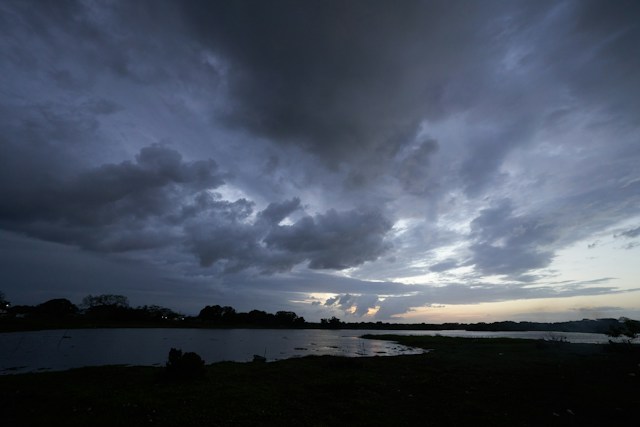
Banner image: Photo by Mika Baumeister on Unsplash
Sections of this article may have been developed with the assistance of artificial intelligence tools to support research, drafting and language refinement. All information has been reviewed, edited and verified by the author/editor to ensure accuracy, context and editorial integrity. The responsibility for the final content, interpretations and conclusions rests solely with the publisher.