Physical Address
23,24,25 & 26, 2nd Floor, Software Technology Park India, Opp: Garware Stadium,MIDC, Chikalthana, Aurangabad, Maharashtra – 431001 India
Physical Address
23,24,25 & 26, 2nd Floor, Software Technology Park India, Opp: Garware Stadium,MIDC, Chikalthana, Aurangabad, Maharashtra – 431001 India

For years, India’s air pollution story has been told through the image of Delhi choking each winter under a blanket of grey smog, prompting emergency bans, school closures and global headlines. But the country’s most dangerous air no longer hangs only over its capital. In 2024, that grim distinction shifted to Byrnihat, a small industrial town straddling the Assam–Meghalaya border, revealing a far more troubling truth: India’s air pollution crisis is spreading beyond megacities into smaller towns where it persists year-round, largely unseen and poorly regulated. Byrnihat’s rise to the top of pollution rankings exposes not just a local failure, but a national one — a system that reacts loudly to seasonal crises in big cities while allowing chronic, industrial pollution in peripheral towns to quietly poison communities every day.
Alarming Pollution Levels in Byrnihat
Byrnihat recorded an annual average PM 2.5 concentration of 128.2 micrograms per cubic metre in 2024, making it one of the most polluted locations globally. Fine particulate matter at such levels penetrates deep into the lungs and bloodstream, significantly increasing the risk of respiratory diseases, heart ailments and premature death. Unlike cities where pollution spikes during specific seasons, Byrnihat faces sustained exposure throughout the year, intensifying health risks for residents.
This development reflects a wider national pattern. India continues to rank among the world’s most polluted countries, with multiple Indian cities featuring prominently in global pollution rankings. Nearly 35 per cent of Indian cities have recorded PM2.5 levels exceeding World Health Organization guidelines by more than ten times, underscoring the scale of the public health emergency.
Father Francis from Byrnihat Catholic Church told CFC India, “We, the residents, have been grappling with polluted air for several years now. Byrnihat, being an industrial town, is heavily affected by the negligence of industries operating here. Many of these industries fail to follow proper environmental guidelines, releasing unfiltered smoke directly from their stacks.
Industrial Expansion Without Safeguards
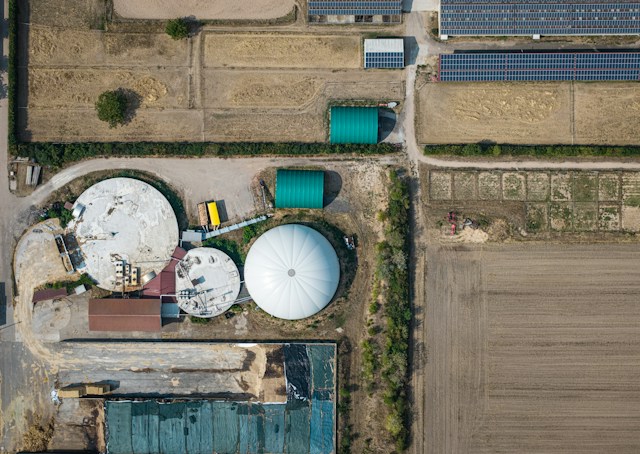
The primary driver of Byrnihat’s pollution is rapid industrial growth with limited environmental controls. Over the years, more than 40 industrial units have been established in and around the town, including sponge iron plants, cement factories and coke-processing facilities. These industries emit large quantities of particulate matter and gaseous pollutants, overwhelming local air quality.
Byrnihat’s location further amplifies the problem. Situated just 25 kilometres from Guwahati and around 65 kilometres from Shillong, pollution from the town affects a much broader region. Airborne pollutants do not respect administrative boundaries, making Byrnihat’s pollution a regional concern rather than a localised issue.
Governance Gaps and Inter-State Challenges
A key obstacle to addressing Byrnihat’s pollution is fragmented governance. Straddling the Assam–Meghalaya border, the town falls under overlapping regulatory jurisdictions. Meghalaya’s Chief Minister has indicated that pollution levels on the Meghalaya side are comparatively lower, placing responsibility on industrial activity across the border in Assam. However, the lack of transparent, coordinated action from either state raises serious questions about accountability.
This regulatory ambiguity allows polluting industries to operate with minimal oversight. In the absence of a strong inter-state pollution control mechanism, enforcement remains inconsistent, enabling long-term environmental degradation to continue unchecked.
Delhi’s Seasonal Crisis and Emergency Responses
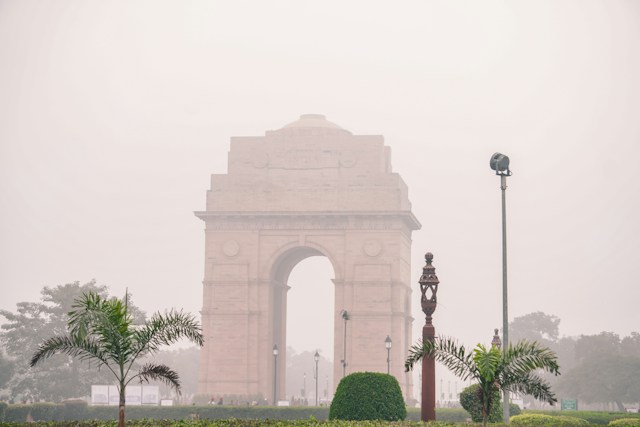
In contrast, Delhi’s air pollution manifests as an annual crisis. During winter months, unfavourable meteorological conditions trap pollutants, pushing air quality into the “Severe Plus” category, with AQI levels frequently crossing 450. Vehicular emissions, construction dust and accumulated pollutants worsen the situation.
Authorities respond through emergency measures under the Graded Response Action Plan (GRAP). These include bans on construction activities, restrictions on non-essential trucks, and limits on older vehicles. Schools are closed, and work-from-home advisories are issued for offices. While these steps provide short-term relief, they are reactive and do not address the underlying causes of pollution.
A National Pattern of Reactive Policy
The contrast between Byrnihat and Delhi exposes a broader national issue. In megacities, pollution triggers visible emergency responses, while in smaller industrial towns, chronic exposure continues with little intervention. In both cases, policy responses focus on crisis management rather than prevention.
This approach reflects systemic weaknesses in air quality governance, including weak enforcement, insufficient monitoring and poor coordination across jurisdictions. Without sustained preventive measures, pollution levels continue to rise, regardless of city size or location.
Conclusion
Byrnihat overtaking Delhi as India’s most polluted city is a stark warning. It demonstrates that air pollution in India is no longer an urban or seasonal problem but a nationwide structural challenge. Unless long-term preventive strategies, stricter industrial regulation and effective inter-state coordination are prioritised, both small towns and major cities will continue to suffer the consequences of toxic air — quietly in some places, dramatically in others.
References:
Byrnihat becomes India’s most polluted urban centre, again
https://pmc.ncbi.nlm.nih.gov/articles/PMC4740125
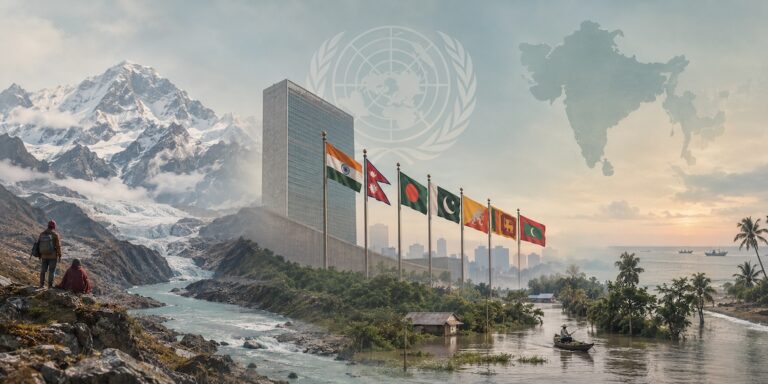
Banner Image: AI Generated
Sections of this article may have been developed with the assistance of artificial intelligence tools to support research, drafting and language refinement. All information has been reviewed, edited and verified by the author/editor to ensure accuracy, context and editorial integrity. The responsibility for the final content, interpretations and conclusions rests solely with the publisher.