Physical Address
23,24,25 & 26, 2nd Floor, Software Technology Park India, Opp: Garware Stadium,MIDC, Chikalthana, Aurangabad, Maharashtra – 431001 India
Physical Address
23,24,25 & 26, 2nd Floor, Software Technology Park India, Opp: Garware Stadium,MIDC, Chikalthana, Aurangabad, Maharashtra – 431001 India

Climate change is no longer a distant environmental concern for Sri Lanka’s dairy farmers — it is a daily reality unfolding in cowsheds, pastures and milk collection routes across the country. Rising temperatures, prolonged droughts and increasingly destructive floods are steadily eroding the foundations of dairy farming, one of Sri Lanka’s most important sources of rural livelihoods and nutrition. From withered grazing lands in dry zones to submerged farms and broken roads after cyclones, climate extremes are hitting every link in the dairy chain. The result is a sector under mounting pressure, where stressed animals produce less milk, supply chains falter, and farmers face growing uncertainty about their future in a warming, more volatile climate.
Drought and Feed Shortages
Prolonged dry spells ruin grazing lands. In 2023, farmers in the Mahaweli B area (Polonnaruwa) reported that eight months without rain “destroyed” the grass on roughly 50,000 acres of pasture. With no green feed available, milk yields plunged. Agricultural research confirms this pattern: higher temperatures and drought can sharply cut forage production, causing severe feed shortages and lower milk output.
Floods, Storms and Heat Stress
Conversely, extreme rains and cyclones swamp farms. Recent storms have washed away fields and isolated villages. For example, Cyclone Ditwah in late 2025 flooded large areas, reportedly affecting about 30,000 cattle as waters and landslides swept away both animals and their grazing land . A climate impact report notes that floods in Sri Lanka already displaced half a million people and caused over USD 1 billion in damage between 2008–2018 . For dairy farms, such floods can drown livestock, wash manure and feed into rivers, and strip away the topsoil that pasture depends on.
Even when rains come, rising temperatures add stress. Sri Lanka has warmed by over 1°C in the past century, and days above 30°C are becoming more common. Dairy cows feel this heat acutely. Studies show that for every slight rise in ambient temperature, cows’ milk production drops sharply. In fact, one analysis found a 1°C increase in average temperature would cut formal milk collection by around 54%, largely because high-producing exotic breeds suffer most in the heat .Heat stress also reduces cows’ appetite and fertility and can increase disease. In short, hotter weather means less milk from each cow, unless farmers adapt.
Each of these climate hazards feeds into one problem: lower productivity and greater losses. With less grass to eat and more heat stress, cows produce less milk. And when weather cuts roads or power lines,even the milk that is produced may spoil or fail to reach consumers. Recent data show this trend: national milk availability fell from about 52.8 liters per capita in 2020 to 34.6 liters in 2022, reflecting both falling production and tougher transport/storage conditions . In a country that already imports a lot of milk powder, these losses hit both farmers’ incomes and family nutrition.
Effects on Dairy Production and Supply Chains
The combined impact of heat, drought, and floods is felt throughout Sri Lanka’s dairy value chain:
Reduced milk yield: As noted, cows produce significantly less milk under stress. Farmers in the dry zones report that during drought years, a large share of cattle struggle to find any forage. One Polonnaruwa farmer said his cows’ yields dropped by more than half during the recent drought .Researchers confirm this: feed scarcity due to drought or heavy rains leads to lower animal productivity . Over time, this means the country’s overall milk production can stagnate or shrink, as it has in the past few years.
Animal health and survival: Stress from heat and lack of water also weakens cattle’s immune systems. In the aftermath of floods, authorities warned that weakened nutrition would make dairy herds more vulnerable to illness . There have been reports of cattle drowning or being swept away in flash floods. Dry, dusty conditions can encourage pests (like ticks and flies) and diseases (like tick-borne fever or mastitis), which thrive when animals are stressed. All of these factors can increase cattle deaths or treatment costs.
Disrupted transport and storage: Dairy supply chains rely on daily milk pickups and functional markets. If trucks cannot reach farms – for instance, because roads or bridges are washed out – milk goes uncollected and spoils. In the 2025 floods, hundreds of kilometers of roads were damaged and dozens of bridges destroyed , cutting off rural areas. Farms in those zones had no way to get milk to chilling centers or factories. Similarly, frequent power outages (which can be worsened by storms) cripple the cold storage needed for milk and dairy products. As one report noted, even before climate factors, power cuts and fuel shortages were already hampering milk cooling and storage nationwide . In a climate crisis, such breakdowns are likely to become more common.
Higher costs and reduced resilience: Erratic weather also drives up costs. Farmers must buy more feed and water when pasture fails, or invest in private generators if power is unreliable. Feed prices can jump in drought years, and fodder must sometimes be imported from other regions. This makes smallholder dairying economically precarious. When supply shrinks and costs rise, local milk becomes scarcer. In 2022 the Ministry of Agriculture warned that many dairy farmers had already curtailed production as they struggled to afford feed and transport.More details can be read here
Taken together, these impacts mean the dairy sector is less stable. During and after extreme weather, milk output can swing wildly. Consumers may face shortages or price hikes. Many small farmers lack savings or insurance to cope, so a bad season can force them out of business. Researchers point out that resilient dairy systems are vital for food security and livelihoods – yet Sri Lanka’s livestock sector remains plagued by climate-related impacts including droughts, floods, storms and water shortages . Strengthening the sector is therefore urgent .
Adaptation Strategies for Resilience
To meet these challenges, Sri Lankan farmers and policymakers are exploring climate-adaptation strategies. These strategies aim to protect cattle and milk supplies against heat, drought, and storms.Many of these are already being tested or proposed:
Improved animal husbandry: Farmers are learning to give cattle more protection from heat. This includes building shade structures, using fans or water misters in barns, and ensuring constant access to clean drinking water. Extension programs stress the importance of cooling animals during hot days. One FAO project in the North taught farmers to “manage heat and cold stress through shade structures and adaptive husbandry techniques” . Keeping animals cool and well-fed helps maintain milk output during heatwaves.
Heat-tolerant breeds: Expert analyses recommend shifting toward cattle breeds better suited to Sri Lanka’s climate . Crossbreeding high-yield cows with local breeds (for example, Holstein × Sahiwal crosses) can combine good milk potential with heat resistance. Indeed, field observations show that improved exotic breeds tend to decline in number under warming conditions, while local crossbreeds hold up better . National breeding programs are examining how to incorporate hardier genotypes and conserve native dairy breeds that tolerate heat and poor-quality feed.
Climate-resilient fodder: Securing year-round feed is critical. Farmers are planting droughttolerant forages such as Napier grass and tropical legumes (e.g. Stylosanthes) that can survive dry spells . These climate-smart forages have deep roots and grow quickly after rains, helping to cushion pasture yields. In some areas, communal grazing lands are being planted with such fodder crops to guarantee supply even when rains fail . Other practices include making hay or silage when grasses are abundant, so stored feed is available in lean times.
Pasture management: Overgrazing makes drought impacts worse. Farmers are adopting rotational grazing, moving cattle between paddocks to allow grass to recover . This keeps pastures healthier and more resilient to drought. Soil-conservation measures (like planting cover crops or mulching) also help soil retain moisture.
Infrastructure upgrades: Beyond the farmyard, better infrastructure can blunt climate shocks. For example, improving milk collection and storage is key. Other infrastructure measures include expanding irrigation for fodder and drinking water (such as deepening wells or installing solar pumps), and reinforcing rural roads and bridges to withstand flooding. Ensuring reliable electricity – for instance via micro-grids or backup generators – is also critical to keep cooling systems running.
Health and veterinary care: Regular livestock health services (vaccinations, deworming, tick control) become even more important under climate stress. Outreach campaigns encourage farmers to test and treat animals promptly. Mobile veterinary units and telemedicine can help reach remote farms cut off by floods.
Policy support and financing: Public policies can enable adaptation. The government is exploring subsidies for fodder seeds, loans or insurance for livestock, and technical extension to smallholders. For example, national development plans mention providing better support (technical and financial) to increase milk production and build rural cooperatives.
Climate change is already putting pressure on Sri Lanka’s dairy farmers by creating drought, floods, and heat that sap milk production and disrupt transport. However, a combination of on-farm practices (cooling, improved feed, better breeds), infrastructure investments (chillers, roads, pumps), and farmer training can help build a more resilient dairy sector. Experts stress that without swift adaptation, Sri Lanka risks falling further behind its goals for local milk production. But by adopting climate-smart practices– many of which are already being tested – the country can protect its cattle and keep milk flowing to kitchens and markets even as the weather becomes more extreme.
References:
https://weatheringrisk.org/sites/default/files/document/Sri_Lanka_Climate_Impact_Profile.pdf
Cyclone Ditwah causes major livestock damage
https://link.springer.com/article/10.1007/s44279-025-00419-w
https://www.europe-solidaire.org/spip.php?article77220
https://www.themorning.lk/articles/204041
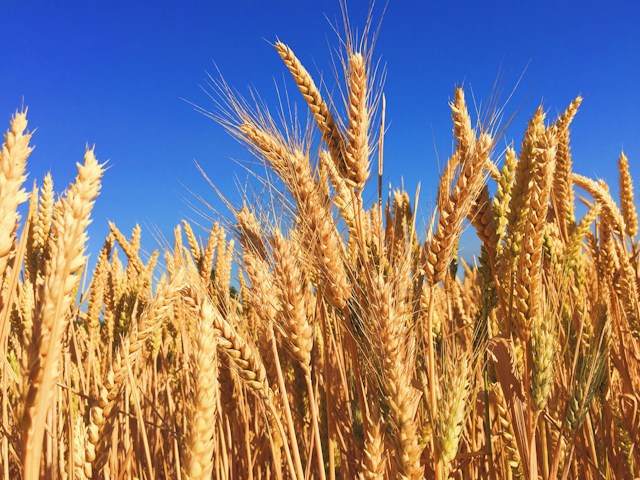
Banner Image: Photo by Anita Jankovic on Unsplash
Sections of this article may have been developed with the assistance of artificial intelligence tools to support research, drafting and language refinement. All information has been reviewed, edited and verified by the author/editor to ensure accuracy, context and editorial integrity. The responsibility for the final content, interpretations and conclusions rests solely with the publisher.