Physical Address
23,24,25 & 26, 2nd Floor, Software Technology Park India, Opp: Garware Stadium,MIDC, Chikalthana, Aurangabad, Maharashtra – 431001 India
Physical Address
23,24,25 & 26, 2nd Floor, Software Technology Park India, Opp: Garware Stadium,MIDC, Chikalthana, Aurangabad, Maharashtra – 431001 India
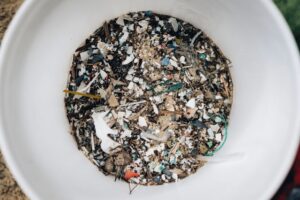
Invisible yet widespread, microplastics are reshaping the conversation around water safety. Once primarily associated with ocean pollution, these particles are now being detected in the air, soil, food, and even the human body. Their growing presence in drinking water has raised serious questions about long-term health impacts and the adequacy of current environmental regulations. In response, policymakers in the United States have taken an important initial step toward addressing this emerging issue.
Recognition of a New Contaminant
In a significant policy development, U.S. regulatory agencies have decided to include microplastics in the Contaminant Candidate List (CCL) under the Safe Drinking Water Act. This list identifies substances that may require future regulation due to potential risks to human health. While inclusion does not immediately lead to enforceable limits, it signals official recognition of microplastics as a possible threat.
This move represents a shift from purely scientific concern to governmental action. By placing microplastics on the CCL, authorities are laying the groundwork for systematic study, monitoring, and eventual policymaking. It also reflects increasing public awareness and concern about unseen pollutants in everyday life.
Sources and Spread of Microplastics
Microplastics, minute plastic particles smaller than five millimeters, have rapidly become a global environmental concern. They originate from a wide range of sources. Larger plastic items break down over time due to sunlight, heat, and physical wear. In addition, synthetic fibers from clothing, industrial waste, and microbeads from personal care products contribute directly to the problem. These particles are so small that they can bypass traditional filtration systems and enter water supplies with relative ease.
Their persistence in the environment makes them particularly problematic. Unlike organic waste, plastics do not decompose quickly; instead, they fragment into ever-smaller pieces. This allows them to travel across ecosystems and accumulate in unexpected places, including drinking water systems.
Potential Health Concerns
Although research is still developing, scientists are increasingly concerned about the potential health effects of microplastics. Early studies suggest that these particles may cause inflammation, disrupt hormones, or carry harmful chemicals into the body. There is also evidence that microplastics can act as carriers for toxins and pathogens.
However, the scientific community has not yet reached a consensus on the extent of these risks. The lack of standardized measurement methods and long-term studies makes it difficult to draw definitive conclusions. This uncertainty is one of the key reasons why governments are prioritizing further research before implementing strict regulations.
Research and Policy Initiatives
To better understand the issue, the U.S. government has committed substantial funding to research on microplastics. These efforts aim to determine how these particles enter drinking water, how they interact with the human body, and what levels of exposure may be considered harmful.
The inclusion of microplastics in the regulatory watchlist is part of a broader strategy to address emerging contaminants. Alongside substances like pharmaceutical residues and PFAS chemicals, microplastics represent a new category of pollutants that are complex, widespread, and difficult to manage.
Support and Criticism
The decision to formally recognize microplastics has been welcomed by many environmental and public health advocates. They view it as a necessary first step toward protecting communities from potential harm. By acknowledging the issue, regulators are demonstrating responsiveness to scientific findings and public concern.
At the same time, critics argue that the measure does not go far enough. Since the Contaminant Candidate List does not enforce immediate action, there is concern that meaningful regulation could be delayed. Some experts warn that without clear standards and timelines, the initiative may have limited impact.
The Larger Challenge of Plastic Pollution
Microplastics are not an isolated problem; they are a symptom of the broader global reliance on plastic materials. Increasing production, inadequate waste management, and widespread use of disposable plastics all contribute to the issue. Addressing contamination in drinking water will require not only better monitoring but also efforts to reduce plastic consumption and improve recycling systems.
This highlights the need for a comprehensive approach that combines regulation, innovation, and public awareness. Without tackling the root causes, the presence of microplastics in the environment is likely to persist.
The inclusion of microplastics in the U.S. drinking water contaminant watchlist marks an important milestone in environmental policy. It reflects growing recognition of a complex and evolving threat to public health. However, this step is only the beginning. The effectiveness of this initiative will depend on continued research, timely regulation, and broader efforts to reduce plastic pollution at its source. As science advances and awareness grows, microplastics may become one of the defining environmental challenges of our time—one that requires urgent and coordinated global action.
References:
https://pmc.ncbi.nlm.nih.gov/articles/PMC7068600
https://www.sciencedirect.com/science/article/pii/S2950305125000063
Banner Image: Photo on Pexels by Alfo Medeiros
https://www.pexels.com/photo/composition-with-debris-12026134
Sections of this article may have been developed with the assistance of artificial intelligence tools to support research, drafting, and language refinement. All information has been reviewed, edited, and verified by the author/editor to ensure accuracy, context, and editorial integrity. The responsibility for the final content, interpretations, and conclusions rests solely with the publisher.