Physical Address
23,24,25 & 26, 2nd Floor, Software Technology Park India, Opp: Garware Stadium,MIDC, Chikalthana, Aurangabad, Maharashtra – 431001 India
Physical Address
23,24,25 & 26, 2nd Floor, Software Technology Park India, Opp: Garware Stadium,MIDC, Chikalthana, Aurangabad, Maharashtra – 431001 India


The Centre for Science and Environment (CSE), in collaboration with Down To Earth magazine, has released its annual “State of India’s Environment in Figures 2025” report. The findings present a sobering overview of India’s worsening environmental, health, and socio-economic indicators. Based on 48 performance metrics across 36 states and Union Territories, the report reveals how climate change, water scarcity, agricultural distress, and poor public health are deeply interlinked and collectively jeopardizing the nation’s development trajectory.
Escalating Climate Extremes
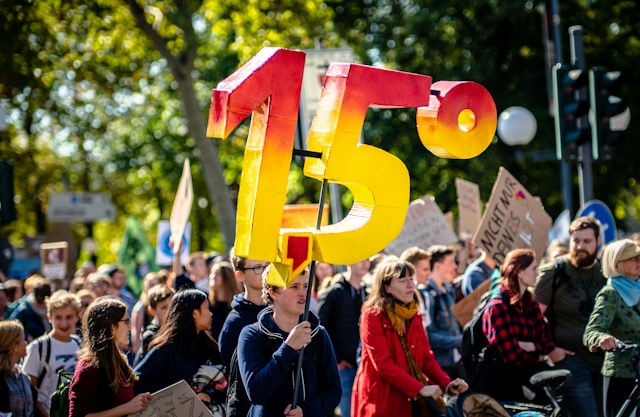
The year 2024 was recorded as India’s hottest year, with 25 states witnessing extreme and erratic rainfall. Alarmingly, extreme weather events were reported on nearly 88% of the calendar days in the year. This climatic volatility displaced 5.4 million people within the country—the highest number of internal displacements due to climate disasters since 2013. Assam alone accounted for nearly half of these displacements, highlighting the vulnerability of northeastern regions to flooding and riverine erosion.
These figures demonstrate the intensifying impact of climate change not only on the environment but also on human security and migration patterns. The economic and psychological costs of such displacement are profound, particularly for already marginalized communities.
Air Pollution: An Urban Health Emergency
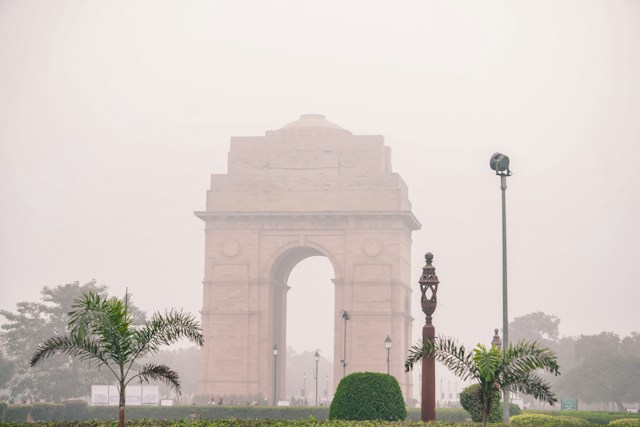
Air pollution remains a persistent and deadly concern. Cities like Hyderabad have seen a rise in pollution-related respiratory illnesses such as chronic cough, asthma, and bronchitis, especially among children. In 2023 alone, Hyderabad reported over 1,500 deaths linked directly to air pollution. The health burden of air pollution extends beyond respiratory problems, contributing to heart disease, cancer, and premature deaths.
India continues to host some of the most polluted cities in the world, and while policy measures like the National Clean Air Programme exist, implementation and enforcement remain weak, especially in smaller cities and peri-urban areas.
Agriculture Under Climate Stress
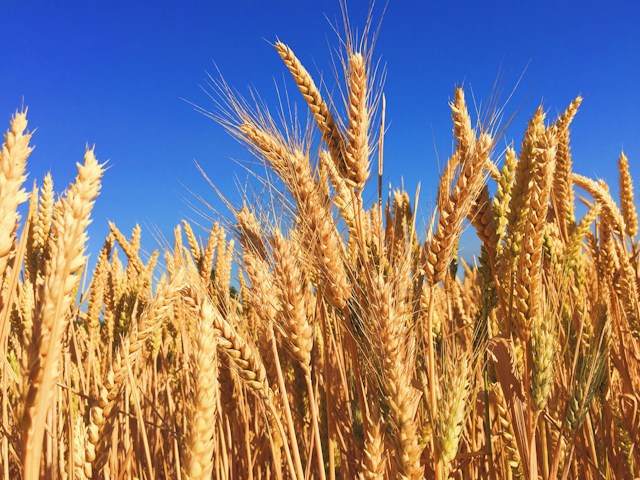
The agriculture sector, which supports nearly half of India’s population, is under severe stress due to climate change. Punjab, a major agricultural state, has witnessed 128 heatwave days between 2010 and 2023, resulting in significant crop losses—most notably a 25% reduction in wheat yields in 2022 alone. Compounding the issue is Punjab’s unsustainable groundwater extraction rate, the highest in the country at 156.87%. More than three-quarters of the state’s agricultural blocks are now considered overexploited.
At the national level, projections indicate a potential drop in wheat yields by 6%–25% and in rice yields by 3%–15% by 2050. Rain-fed crops grown in semi-arid zones may face even sharper declines. These trends threaten food security and farmer livelihoods and could further fuel rural distress and migration.
Water Crisis Looming Large
India is on the brink of a water crisis. By 2025, per capita freshwater availability is expected to fall below 1,000 cubic meters—a threshold that signals severe water stress. Several river basins, including Kaveri, Penna, and Sabarmati, are already categorized as water-scarce, and others like Krishna are approaching similar status.
The Himalayan glaciers, crucial for replenishing India’s rivers, have retreated by 67% over the last decade. This loss endangers not just water availability, but also the ecosystems and agricultural systems that depend on these rivers.
Disparities in State-Level Performance
While a few states have shown leadership in specific areas, no single state emerges as a comprehensive performer across all indicators. Andhra Pradesh has led in environmental governance but lags in sewage treatment infrastructure. Sikkim excels in organic agriculture, yet underperforms in farmer support programs. Goa, while leading in medically certified deaths and certain health metrics, struggles with hospital bed availability and low female labor force participation.
More concerning are populous states like Uttar Pradesh, Maharashtra, Bihar, and West Bengal, which score poorly across most categories. With nearly half of India’s population residing in these states, their underperformance poses a systemic risk to national progress.
Urban Waste and Natural Ecosystem Loss
India generates over 150,000 tonnes of municipal solid waste daily, but more than half of it remains untreated or ends up in landfills. Incidents like the landfill fire in Delhi’s Ghazipur site highlight the dangerous mismanagement of urban waste. Meanwhile, nearly 40% of India’s wetlands have disappeared over the past three decades, reducing natural carbon sinks and increasing the vulnerability to climate impacts.
Despite these grim indicators, the report acknowledges certain positive developments. India’s electricity generation from renewable sources has more than tripled in the last decade, showcasing its commitment to clean energy. Nationwide campaigns such as the “Ek Ped Maa Ke Naam” (One Tree in Mother’s Name) initiative aim to plant 140 crore trees by March 2025, promoting community engagement in environmental restoration.
Conclusion: Urgent Need for Transformative Action
The 2025 edition of the State of India’s Environment report underscores a critical message—India stands at a crossroads. The interconnected crises of climate, health, agriculture, and development cannot be addressed in isolation. Policymakers must adopt a systems-based approach that combines environmental stewardship with socio-economic equity.
As CSE Director General Sunita Narain aptly stated, “This is not the time for complacency, nor for chest-thumping.” The country must act with urgency, commitment, and compassion if it is to ensure a livable and resilient future for all.
References:
Banner Image:
Photo by Tom Fisk
https://www.pexels.com/photo/bird-s-eye-view-of-landfill-3181031

Comments are closed.




nwsqip
rosuvastatin 20 mg picture: Crestor Pharm – rosuvastatin memory loss
Букет – просто космос!
101 роза