Physical Address
23,24,25 & 26, 2nd Floor, Software Technology Park India, Opp: Garware Stadium,MIDC, Chikalthana, Aurangabad, Maharashtra – 431001 India
Physical Address
23,24,25 & 26, 2nd Floor, Software Technology Park India, Opp: Garware Stadium,MIDC, Chikalthana, Aurangabad, Maharashtra – 431001 India


The Amazon rainforest, one of the planet’s most critical carbon stores and biodiversity hotspots, is showing signs of deep ecological stress after two consecutive droughts in 2023 and 2024. These extreme events have not only reduced forest moisture and biomass but also altered how the ecosystem functions, raising concerns about its long-term ability to recover. Scientists say the changes observed go beyond temporary damage and point towards a broader shift in how the rainforest responds to climate extremes.
Back-to-back droughts pushed moisture and biomass to the lowest levels in decades
A study published in PNAS found that the 2023 and 2024 droughts pushed Amazon forest moisture and biomass to their lowest levels in more than three decades. The analysis, based on 33 years of satellite radar data from 1992 to 2025, shows that these recent droughts were more intense than previous major events recorded in 1997 to 1998, 2005, 2010, and 2015 to 2016.
The scale of impact is significant. Around 26.8% of the forest reached its lowest recorded moisture and biomass levels, which is more than double the extent observed during the 2005 drought. The most severe declines were concentrated in the eastern Amazon, pointing to regional differences in vulnerability. These findings indicate that recent droughts are not just repeating past patterns but are intensifying their impact on forest conditions.
Recovery capacity weakens as only part of the forest can bounce back
The study also highlights a worrying decline in the rainforest’s ability to recover after extreme drought. It estimates that only 46.3% of intact Amazon forests are likely to return to pre-drought conditions, which is the lowest recovery rate among all major drought events studied. Earlier droughts saw higher recovery rates, including 70.6 per cent in 2010 and over 56% in other events, suggesting that the forest’s resilience may be weakening over time.
At the same time, 53.7% of forests are unlikely to recover even after seven years, indicating long-lasting impacts on ecosystem structure and function. The study notes that water availability after drought plays a key role in recovery, with areas receiving sufficient moisture showing faster improvement. However, repeated extreme events are making it harder for the forest to fully regain its earlier condition, raising concerns about cumulative stress.
Ecological functioning shifts as carbon storage and forest health decline
Beyond immediate damage, the research shows that drought is altering the fundamental functioning of the Amazon ecosystem. The recent events caused significant declines in canopy moisture and above-ground biomass, which directly affect the forest’s ability to store carbon. Over time, such changes can weaken the Amazon’s role as a carbon sink, especially when combined with deforestation and rising temperatures.
The study adds to growing evidence that the Amazon is becoming more vulnerable to climate extremes. Earlier findings have already shown a 17% decline in carbon stock and a 42% reduction in carbon sink capacity since the 1990s, driven by drought and human activity. As droughts become more frequent and intense, scientists warn that the rainforest’s ability to regulate climate, support biodiversity, and maintain ecological balance could face increasing strain.
References:
Banner image:
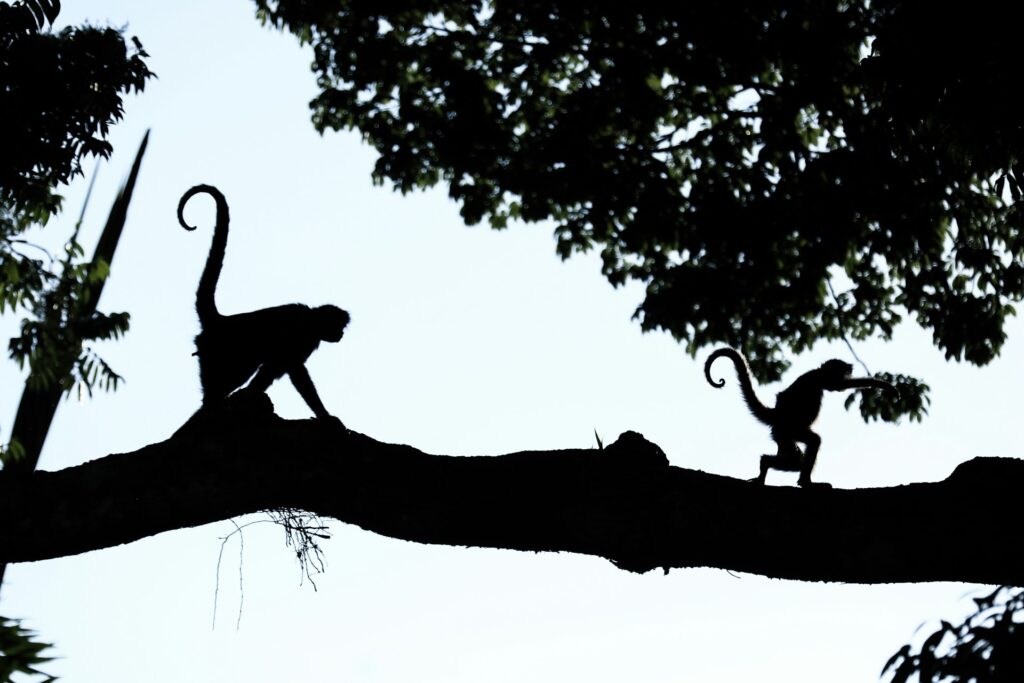
Photo by Dylan Shaw on Unsplash
Sections of this article may have been developed with the assistance of artificial intelligence tools to support research, drafting and language refinement. All information has been reviewed, edited and verified by the author/editor to ensure accuracy, context and editorial integrity. The responsibility for the final content, interpretations and conclusions rests solely with the publisher.