Physical Address
23,24,25 & 26, 2nd Floor, Software Technology Park India, Opp: Garware Stadium,MIDC, Chikalthana, Aurangabad, Maharashtra – 431001 India
Physical Address
23,24,25 & 26, 2nd Floor, Software Technology Park India, Opp: Garware Stadium,MIDC, Chikalthana, Aurangabad, Maharashtra – 431001 India


Kenya is heading into a year of heightened climate uncertainty after experiencing one of its warmest years on record in 2025. The latest climate assessment by the Kenya Meteorological Department paints a concerning picture: rising temperatures, erratic rainfall, and escalating risks to food security, public health, and livelihoods. The trends observed are not isolated anomalies but part of a long-term shift driven by climate change, with serious implications for the country’s future.
A steady rise in temperatures
Data shows that Kenya’s climate has been warming consistently over the past few decades. Since 1991, average temperatures have increased at a rate of about 0.22°C per decade, with the pace of warming accelerating after 2005.
In 2025, the country recorded its seventh warmest year in 36 years, underlining the persistence of this upward trend. Temperatures remained above average throughout the year, including during typically cooler months. Early in the year, temperatures were already 0–1°C above normal, climbing further in subsequent months. Even the June–August season, usually marked by cooler weather, saw temperatures rise significantly above average.
The situation peaked in December, which emerged as the hottest month of the year, with several regions experiencing intense heat. Such prolonged warming is altering seasonal cycles and increasing stress on ecosystems, water resources, and human populations.
Erratic rainfall and agricultural stress
Alongside rising temperatures, rainfall patterns in 2025 were highly uneven. While some regions, particularly the western and central highlands, received above-normal rainfall, large parts of the country—especially arid and semi-arid areas—faced drier-than-usual conditions.
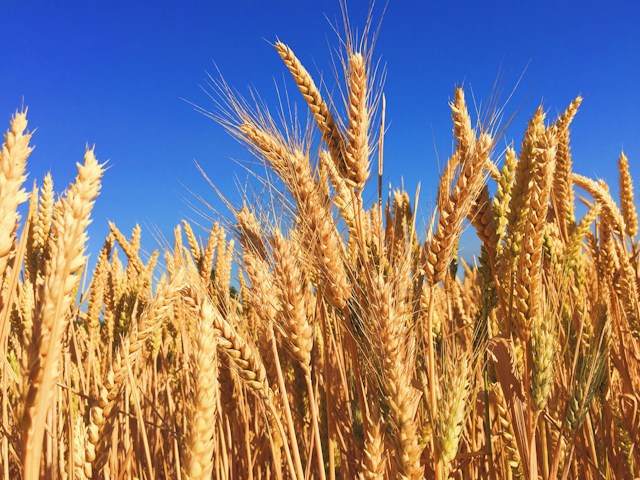
This imbalance had severe consequences for agriculture, a sector that underpins Kenya’s economy and food security. Staple crops such as maize and beans recorded production declines ranging between 21 and 35 per cent. Factors such as drought, pest infestations, high input costs, and unreliable rainfall compounded these losses.
Flooding in certain regions further damaged crops and reduced yields, while pests and water shortages hit horticultural production, including tomatoes. Although some gains were seen in irrigated farming and drought-resistant crops like sorghum, these were not enough to offset broader losses. The result has been reduced food availability, shrinking reserves, and increased dependence on markets—leaving vulnerable communities exposed to price shocks.
Rising health and environmental risks
The impacts of extreme weather extended beyond agriculture, affecting public health and the environment. Kenya experienced multiple climate extremes in 2025, including heatwaves, cold spells, heavy rainfall events, and strong coastal winds.
Flooding led to water contamination and displacement, increasing the risk of waterborne diseases such as cholera. At the same time, prolonged dry conditions contributed to malnutrition and weakened water security. Climate-sensitive diseases like visceral leishmaniasis also became more widespread.
Environmental pressures are also mounting. Increased heat and dryness raise the likelihood of forest fires and biodiversity loss, particularly in already fragile ecosystems. In pastoral regions, shrinking water availability is intensifying competition over resources, sometimes leading to conflict between communities and wildlife.
A risky outlook for 2026
Looking ahead, forecasts for 2026 suggest that the challenges are far from over. The country is expected to experience above-average temperatures combined with uneven rainfall distribution.
Some regions may see heavy rains, raising the risk of floods, landslides, and infrastructure damage, while others may continue to face drought conditions. There is also a 58–61 per cent probability of El Niño conditions developing later in the year, which could further intensify weather extremes.
These conditions are likely to disrupt agriculture, strain water systems, and increase the frequency of disasters. Already, parts of western Kenya have experienced deadly floods, highlighting the urgency of preparedness and response measures.
Urgent need for adaptation and investment
To address these mounting challenges, significant investment is required. Estimates suggest that Kenya will need substantial financial resources in 2026 to support food aid, water infrastructure, healthcare, livestock systems, and agricultural inputs.
Experts emphasise the importance of strengthening early warning systems, improving climate services, and investing in resilient infrastructure. In wetter regions, better flood management and disease monitoring are crucial, while in drier areas, strategies such as water harvesting, drought-resistant crops, and diversified livelihoods are essential.
The broader message is clear: climate change is no longer a distant threat but a present reality reshaping Kenya’s economy and society. Without timely and sustained action, the risks—from food insecurity to health crises—are likely to intensify. As the country moves into an uncertain climatic future, building resilience will be key to safeguarding both people and ecosystems.
References:
https://meteo.go.ke/documents/3009/State_of_the_Climate_Report_2025.pdf
https://www.sciencedirect.com/science/article/pii/S2666592125000071
Banner Image: AI-generated
Sections of this article may have been developed with the assistance of artificial intelligence tools to support research, drafting, and language refinement. All information has been reviewed, edited, and verified by the author/editor to ensure accuracy, context, and editorial integrity. The responsibility for the final content, interpretations, and conclusions rests solely with the publisher.