Physical Address
23,24,25 & 26, 2nd Floor, Software Technology Park India, Opp: Garware Stadium,MIDC, Chikalthana, Aurangabad, Maharashtra – 431001 India
Physical Address
23,24,25 & 26, 2nd Floor, Software Technology Park India, Opp: Garware Stadium,MIDC, Chikalthana, Aurangabad, Maharashtra – 431001 India

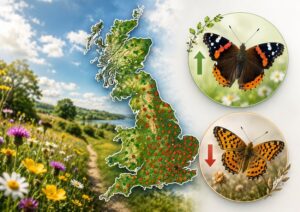
Across Britain’s fields and woodlands, the quiet flutter of butterfly wings has long signalled the arrival of spring – a fleeting, delicate reminder of nature’s balance. But nearly half a century of meticulous monitoring now reveals a more fragile reality. Beneath the seasonal spectacle lies a steady unraveling: more than half of Britain’s butterfly species are in decline, their losses masked by the resilience of a few adaptable survivors. Drawn from records collected since the 1970s, the data paints a nuanced but troubling picture, not of sudden collapse, but, of a slow, persistent erosion of biodiversity. As landscapes shift under the pressures of climate change, pollution and habitat loss, butterflies, among the most sensitive indicators of ecological health, are quietly tracing the contours of a changing environment.
Britain’s Butterfly Trends and Notable Species
For decades, Britain has been one of the best-studied regions in the world for butterfly populations, offering a clear window into long-term ecological trends. Historically, butterfly numbers fluctuated due to natural cycles, weather variations and habitat changes, with a rich diversity of species thriving across meadows, grasslands and woodlands. In recent years, however, this balance has shifted noticeably. Generalist species that can adapt to a variety of environments—such as the Red Admiral, Peacock and Comma are becoming more common and widely distributed. In contrast, specialist species that depend on specific habitats and host plants are steadily declining. Butterflies like the High Brown Fritillary, Large Blue and White-letter Hairstreak have seen significant population drops, largely due to habitat loss and environmental pressures. This shift highlights a broader ecological pattern where adaptability is increasingly rewarded, while more delicate and specialised species struggle to survive.
Winners, Losers and a Warming Climate
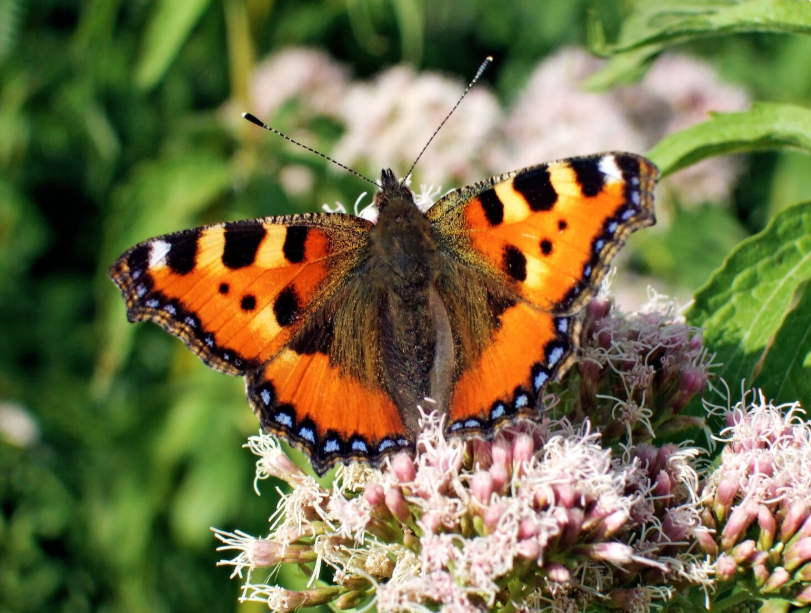
The study reveals a striking divide between species that are adapting and those that are struggling. Some butterflies are benefiting from rising temperatures, expanding their range and appearing in greater numbers, especially in cooler regions where conditions are becoming more favourable.
However, these gains are offset by steep declines among habitat specialists—species that depend on very specific environmental conditions. As grasslands, woodlands and other natural habitats are altered or reduced, these butterflies are losing the spaces they need to survive. Climate change is playing a complex role in this shift. While warmer weather may help certain species thrive, it can also disrupt ecosystems in less obvious ways. Changes in plant growth, seasonal timing and local microclimates can create conditions that are unsuitable for more sensitive species.
Pollution further complicates the situation. Increased nitrogen levels in the environment, often linked to agriculture and vehicle emissions, have altered vegetation patterns. This can lead to denser plant growth that affects the development of caterpillars, making it harder for some species to complete their life cycles.
Conservation Successes and the Road Ahead
Despite the concerning trends, the study also points to encouraging examples of recovery. Targeted conservation efforts, including habitat restoration and species reintroduction, have helped some butterflies bounce back from the brink.
These success stories show that decline is not inevitable. With the right strategies, it is possible to restore populations and rebuild habitats. However, experts warn that such efforts need to be expanded significantly to make a broader impact. The findings underline the urgent need for stronger environmental action. Protecting natural habitats, improving land management practices and reducing pollution are all essential steps. Without these measures, more species could face long-term decline.
Butterflies may seem delicate, but their story carries a powerful message. Their changing fortunes reflect the wider health of the environment. As their numbers shift, they offer both a warning and an opportunity—to act now and protect the ecosystems that support not just insects, but life as a whole.
References:
https://www.theguardian.com/environment/2026/apr/15/butterfly-monitoring-scheme-britain-decline
https://butterfly-conservation.org/butterflies
https://www.sciencedirect.com/science/article/pii/S2772411526000029
https://butterfly-conservation.org/sites/default/files/sobm-final-version.pdf
https://www.sciencedirect.com/science/article/pii/S2666154323002405
Image on Freepik by wirestock
Banner image: AI-generated
Sections of this article may have been developed with the assistance of artificial intelligence tools to support research, drafting, and language refinement. All information has been reviewed, edited, and verified by the author/editor to ensure accuracy, context, and editorial integrity. The responsibility for the final content, interpretations, and conclusions rests solely with the publisher.