Physical Address
23,24,25 & 26, 2nd Floor, Software Technology Park India, Opp: Garware Stadium,MIDC, Chikalthana, Aurangabad, Maharashtra – 431001 India
Physical Address
23,24,25 & 26, 2nd Floor, Software Technology Park India, Opp: Garware Stadium,MIDC, Chikalthana, Aurangabad, Maharashtra – 431001 India

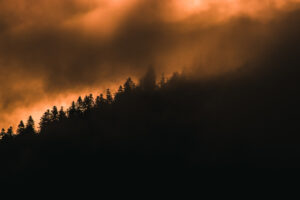
Wildfires are becoming a growing environmental threat in Northern Ireland as experts warn that changing weather conditions linked to climate change are creating longer and more intense fire seasons. What was once considered a relatively rare summer problem is now stretching across wider parts of the year, raising concerns among firefighters, environmental groups and local authorities.
Specialists say the rise in “fire weather” is one of the main reasons behind the increasing number of wildfires. The term refers to a dangerous combination of heat, dry vegetation, low humidity and strong winds that allows fires to ignite quickly and spread rapidly across forests, grasslands and peat bogs. These conditions are becoming more common due to warming temperatures and changing rainfall patterns.
Northern Ireland has witnessed several major wildfires in recent years, many of which have damaged environmentally sensitive areas. Fire crews have repeatedly battled blazes in upland regions and protected landscapes where dry vegetation can burn for days. Experts believe climate change is no longer a distant concern but a factor already influencing the frequency and intensity of these incidents.
Rising Temperatures Creating Dangerous Conditions
Environmental scientists say longer dry spells during spring and summer are leaving vegetation increasingly vulnerable to ignition. Even a small spark from discarded cigarettes, campfires or deliberate burning can trigger fast-moving fires under such conditions. Strong winds worsen the situation by helping flames spread across large stretches of land within a short time.
Peatlands are among the most vulnerable areas. These wetlands are important for storing carbon and supporting biodiversity, but when they dry out, they become highly flammable. Fires in peatlands are especially dangerous because they can continue smouldering underground for long periods, releasing large amounts of carbon dioxide into the atmosphere. This creates a damaging cycle where climate change increases wildfire risks while wildfires themselves contribute to further global warming.
Wildfires are also causing serious damage to wildlife habitats. Birds, insects and small mammals often struggle to escape rapidly spreading flames. Conservationists say repeated fires can destroy nesting grounds and fragile ecosystems that may take years to recover. In some areas, rare plant species and protected habitats have already suffered long-term damage.
Firefighters have warned that the changing pattern of wildfire activity is placing additional pressure on emergency services. Crews are increasingly being called to incidents outside the traditional summer season. Authorities say warmer and drier conditions during spring are now creating fire risks much earlier in the year.
Calls for Better Prevention and Climate Action
Experts believe human behaviour remains a major factor behind many wildfires. Some are caused accidentally during outdoor activities, while others are linked to deliberate burning. Officials continue to urge people to avoid starting fires in rural areas during dry weather and to immediately report suspicious activity.
Climate researchers say Northern Ireland is not alone in facing this challenge. Similar trends are being reported across parts of the United Kingdom and Europe, where rising temperatures are contributing to more frequent heatwaves and prolonged dry conditions. Scientists have repeatedly warned that climate change is increasing the likelihood of extreme weather events, including destructive wildfires. Recommendations include restoring peatlands, expanding public awareness campaigns and increasing monitoring of high-risk areas during dry periods. Some experts are also calling for greater investment in climate adaptation measures to help communities prepare for worsening environmental conditions.
There are growing concerns that wildfire seasons may continue to lengthen if greenhouse gas emissions are not reduced globally. Scientists warn that even regions traditionally known for cool and wet climates could experience more dangerous fire conditions in the future. Northern Ireland’s recent experiences are increasingly being viewed as part of a wider global pattern linked to climate change.
For residents living near vulnerable rural landscapes, wildfires are no longer seen as isolated summer incidents. They are becoming a recurring feature of a changing climate, bringing threats not only to the environment but also to public health, air quality and local economies.
Experts say reducing future wildfire risks will require a combination of climate action, responsible public behaviour and better land management practices. Without stronger efforts to tackle rising temperatures and protect natural ecosystems, the threat of destructive wildfires is expected to continue growing in Northern Ireland and many other parts of the world.
References:
https://www.bbc.com/news/articles/c0729z88z37o
Baner Image: Photo by wirestock on Magnific
Sections of this article may have been developed with the assistance of artificial intelligence tools to support research, drafting, and language refinement. All information has been reviewed, edited, and verified by the author/editor to ensure accuracy, context, and editorial integrity. The responsibility for the final content, interpretations, and conclusions rests solely with the publisher.