Physical Address
23,24,25 & 26, 2nd Floor, Software Technology Park India, Opp: Garware Stadium,MIDC, Chikalthana, Aurangabad, Maharashtra – 431001 India
Physical Address
23,24,25 & 26, 2nd Floor, Software Technology Park India, Opp: Garware Stadium,MIDC, Chikalthana, Aurangabad, Maharashtra – 431001 India


India experienced a significant environmental setback in 2024, losing approximately 18,200 hectares of irreplaceable primary forest, according to the latest data from Global Forest Watch (GFW). These forests, often centuries old, play a crucial role in supporting biodiversity, regulating climate, and maintaining ecological balance. This recent loss is part of a troubling long-term trend: since 2000, India has witnessed a cumulative reduction of 2.33 million hectares in total tree cover. This 6% decline raises serious concerns about the country’s deforestation trajectory and its environmental and human well-being implications. As global climate challenges intensify, India’s forest depletion underscores the urgent need for renewed conservation strategies and stronger policy interventions.
Primary Forests Under Threat
Between 2002 and 2023, India lost 414,000 hectares of humid primary forests, constituting 18% of the total tree cover loss. These forests are untouched by human activity and vital for biodiversity and carbon sequestration. The degradation of such ecosystems poses a severe threat to environmental stability and climate resilience.
Losing primary forests disrupts habitats and undermines efforts to combat climate change. These forests act as significant carbon sinks, and their destruction releases substantial amounts of stored carbon dioxide into the atmosphere, amplifying global warming.
Regional Disparities in Forest Loss
The northeastern states of India have been disproportionately affected. Assam recorded the highest tree cover loss at 324,000 hectares, followed by Mizoram (312,000 hectares), Arunachal Pradesh (262,000 hectares), Nagaland (259,000 hectares), and Manipur (240,000 hectares). Collectively, these five states accounted for 60% of India’s total tree cover loss between 2001 and 2023.
These regions, rich in biodiversity, are facing increased pressure from deforestation due to agricultural expansion, infrastructure development, and illegal logging. The loss of forest cover in these areas threatens not only local ecosystems but also the livelihoods of indigenous communities dependent on forest resources.
Carbon Emissions and Climate Impact
From 2001 to 2022, India’s forests emitted an average of 51 million tons of carbon dioxide equivalent annually due to tree cover loss, while 141 million tons were removed through carbon sequestration. This results in a net carbon sink of approximately 89.9 million tons annually.
The continued loss of forest cover threatens this balance, potentially turning forests from carbon sinks into carbon sources. Such a shift would significantly impact India’s commitments under international climate agreements and its broader environmental sustainability goals.
Government’s Stance and Data Discrepancies
The Indian government has contested the findings of the GFW report, arguing that its assessments, such as the India State of Forest Report (ISFR), indicate an increase in forest cover. The discrepancy arises from differing definitions and methodologies; while GFW uses satellite data on tree cover, ISFR includes plantations and other green areas in its forest cover assessments.
Experts have raised concerns about the broad definitions used in official reports, suggesting they may overstate actual forest cover. Including plantations and agricultural lands as forests can mask the true extent of natural forest loss, leading to potential underestimation of environmental degradation.
Conservation Efforts and the Road Ahead
India has initiated several programs aimed at forest conservation, including the National Action Plan on Climate Change (NAPCC), the National Mission for Green India, and the Compensatory Afforestation Fund Management and Planning Authority (CAMPA). These initiatives focus on afforestation, sustainable forest management, and ecological restoration.
Despite these efforts, the persistent loss of primary forests highlights the need for more robust conservation strategies. Accurate data, transparent reporting, and community engagement are pressing requirements to protect and sustain India’s forest resources.
The significant loss of primary forests in India during 2024 reminds us of environmental conservation challenges. Addressing these issues requires a multifaceted approach, combining accurate data collection, stringent policy implementation, and active participation from local communities. Only through concerted efforts can India hope to preserve its rich forest heritage for future generations.
References:
https://www.wri.org/news/release-global-forest-loss-shatters-records-2024-fueled-massive-fires
https://www.globalforestwatch.org/dashboards/country/IND/?map=eyJjYW5Cb3VuZCI6dHJ1ZX0%3D
Global Forest Watch – India’s Forests Under Threat
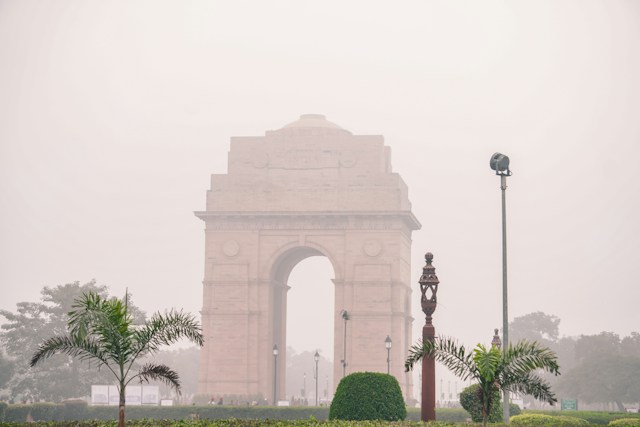
Banner image:
Photo by Subhadeep Dishant on Unsplash