Physical Address
23,24,25 & 26, 2nd Floor, Software Technology Park India, Opp: Garware Stadium,MIDC, Chikalthana, Aurangabad, Maharashtra – 431001 India
Physical Address
23,24,25 & 26, 2nd Floor, Software Technology Park India, Opp: Garware Stadium,MIDC, Chikalthana, Aurangabad, Maharashtra – 431001 India

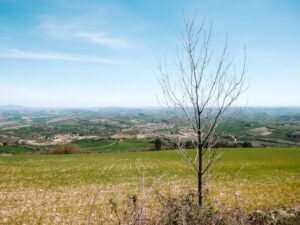
European farmers are facing an increasingly severe agricultural crisis after successive heatwaves and prolonged drought damaged crops, reduced livestock productivity and pushed harvest forecasts sharply lower across the continent. France, Italy and Spain are among the countries reporting major losses, with vegetable production in France down by between 25% and 100% depending on the crop and the country’s cereal harvest expected to fall sharply. In Italy, drought has affected about 60% of farmland and caused more than €3 billion in losses to the agricultural sector. The disruption comes as Europe continues to experience unusually high temperatures and persistent water shortages, adding pressure to farmers already dealing with increasingly difficult growing conditions.
Heat and drought are cutting into Europe’s harvests
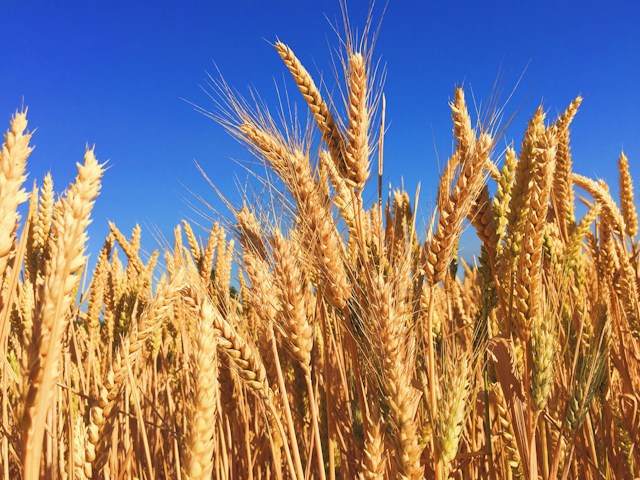
France’s agricultural sector has been among the hardest hit. Cereal production is expected to fall significantly, with the country’s maize harvest estimated to be 35% lower than in 2025, taking production back towards levels last seen around 1980. Vegetable growers have faced even more severe losses, with some crops recording declines of between 25% and 100% because of the combination of extreme heat and water shortages.
Livestock farmers are also feeling the effects. Heat stress is reducing milk production in dairy cattle, while hay production for winter feed is around 30% below average. Poultry farmers have reported increased mortality during periods of extreme heat, contributing to lower egg production. The problems are occurring alongside a broader drought that is leaving less water available for irrigation and increasing competition for already limited supplies.
Italy and Spain face major losses across farms
Italy’s agricultural sector has been particularly exposed to drought, with around 60% of farmland affected. The Po Valley, one of the country’s most important agricultural regions, has been hit hard, affecting crops including rice, maize and soya. The resulting losses have exceeded €3 billion, according to the latest assessment.
Spain is facing similar pressure. Cereal harvests have been hit by prolonged heat and drought, while wine production is projected to decline by around 20% as grapes develop smaller berries under stressful growing conditions. The combination of repeated heatwaves and inadequate rainfall is leaving farmers with fewer opportunities to recover between extreme weather events.
The wider European drought is also affecting water availability and agricultural transport. The Associated Press reported that farmers in the Netherlands, Bosnia, the Czech Republic, Romania and Hungary are experiencing crop and livestock losses, while low water levels on the Danube are disrupting the movement of agricultural goods.
Europe’s warming climate is increasing pressure on food production
The agricultural losses come against a backdrop of increasingly severe heat across Europe. The World Meteorological Organisation reported that June 2026 was the hottest June on record in western Europe, with temperatures also contributing to widespread heat and drought conditions across the continent.
The European Commission says crop losses caused by droughts and heatwaves have tripled over the past 50 years, highlighting the growing impact of extreme heat on agricultural productivity and food security.
Governments are now responding with financial support. France has pledged €145 million in immediate assistance for farmers affected by the crisis, while European countries are also receiving support following extreme weather events. But the scale of the current losses is raising broader questions about how agriculture can adapt as heatwaves and droughts become more frequent.
The challenge is no longer limited to protecting individual harvests. Repeated heat and water stress can affect soil moisture, livestock feed, farm incomes and food supply chains at the same time. With extreme heat already causing crop losses across Europe and climate change increasing the background temperatures on which heatwaves develop, farmers are being pushed to adapt faster than many traditional agricultural systems were designed to allow.
References:
https://wmo.int/media/news/western-europe-has-hottest-june-record
Banner image: Photo by Miraxh Tereziu on Unsplash
Sections of this article may have been developed with the assistance of artificial intelligence tools to support research, drafting and language refinement. All information has been reviewed, edited and verified by the author/editor to ensure accuracy, context and editorial integrity. The responsibility for the final content, interpretations and conclusions rests solely with the publisher.