Physical Address
23,24,25 & 26, 2nd Floor, Software Technology Park India, Opp: Garware Stadium,MIDC, Chikalthana, Aurangabad, Maharashtra – 431001 India
Physical Address
23,24,25 & 26, 2nd Floor, Software Technology Park India, Opp: Garware Stadium,MIDC, Chikalthana, Aurangabad, Maharashtra – 431001 India
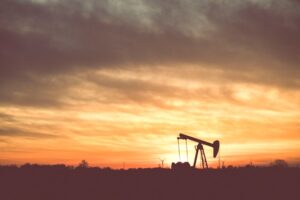
The world’s biggest oil companies earned almost $93 billion in profits during the three months to the end of June, as conflict in the Middle East sent crude oil prices soaring while many parts of the world endured deadly heatwaves, droughts and wildfires. An analysis by The Guardian found that the combined profits of eight major oil producers nearly doubled compared with the same period last year, reigniting calls for fossil fuel companies to contribute more towards addressing climate damage and accelerating the transition to clean energy. The findings come as scientists continue to warn that the emissions driving these profits are also intensifying the climate crisis, making extreme weather events more frequent and severe.
Oil majors nearly doubled their profits after Iran conflict sent prices soaring
Latest quarterly earnings reports show that Saudi Aramco, BP, Shell, Equinor, TotalEnergies, Eni, Chevron and ExxonMobil earned $93 billion in net profits combined in the April to June quarter. The leap came after the conflict with Iran that disrupted global energy markets and pushed Brent crude over $126 a barrel, allowing oil producers to benefit from higher prices. Their combined quarterly profits were just under $50 billion in the same period last year. The companies’ combined market value surged by about $600 billion to more than $3 trillion. The analysis found the eight companies raked in more than $700,000 a minute in profit during the quarter.
Aramco, the state-controlled oil company of Saudi Arabia, recorded the highest earnings in the group. Its quarterly net income rose 33% to more than $33 billion even as its energy infrastructure was struck by drone and missile attacks related to the Iran conflict. BP reported a sharp jump in earnings, posting $5.73 billion in quarterly profits, more than double the $2.5 billion it earned during the previous quarter and its strongest quarterly performance since the first year of Russia’s full-scale invasion of Ukraine.
Other companies also reported significant gains. Shell said lower production from its Qatar gas operations, hit by war damage, was a drag, but it reported its second-highest quarterly profit ever at $9.84 billion. Chevron said it earned $12.2 billion in the quarter, more than five times what it did a year ago. ExxonMobil, meanwhile, said it earned $14.5 billion, double its earnings in the same quarter a year ago and the best quarterly profit since Russia invaded Ukraine in 2022. Equinor’s profits also increased, to $3.2 billion from $1.8 billion in the same period.
Campaigners say oil windfall came as climate impacts worsened
The surge in profits has renewed criticism from environmental organisations, which argue that fossil fuel companies are benefiting financially while communities bear the costs of climate change and higher energy bills. Patrick Galey, Global Witness’s lead on fossil fuels, said fossil fuel companies “don’t enhance affordability or energy security, they make life worse.” He added that they “destroy the climate, push up the cost of living and rake in billions in profit while innocent civilians die,” arguing that it was time to make oil companies pay for the damage they cause. Friends of the Earth’s head of campaigns, Rosie Downes, also said households were paying the price through higher energy bills while the climate crisis continued to worsen.
BP defended its profits, with chief executive Meg O’Neill saying the company was focused on increasing supplies of oil products that are short of supply after disruptions to global energy markets. But the company has cut its spending on clean energy since it announced a strategic reset last year. BP has slashed its annual energy transition budget from $5 billion to between $1.5 billion to $2 billion, sold its US onshore wind business, said it plans to sell its $4 billion US biogas business and is also in advanced talks to sell its solar developer Lightsource. It also recently put its long-running North Sea oil and gas business up for sale after more than six decades of operations.
As Oil Profits Soared, Climate Impacts Grew More Severe
The analysis comes as scientific evidence linking fossil fuel emissions to extreme weather continues to grow. A study published last September found, for the first time, that emissions from each of the world’s 14 largest fossil fuel companies were enough to contribute to more than 50 heatwaves that would otherwise have been virtually impossible without human-caused climate change. The analysis also notes that Saudi Aramco has produced more carbon emissions than any company in history, according to the Carbon Majors database, followed by Chevron and ExxonMobil, with Shell and BP also ranking among the world’s ten largest historical corporate emitters.
The report links these record profits to a summer marked by devastating climate impacts across the world. Europe experienced its worst heatwave on record, with around 20,000 deaths, including nearly 3,000 in the UK, while South Korea recorded a historic 42.5 degrees Celsius. At least 9 million tonnes of grain are expected to be lost across Europe because of drought, and major wildfires have caused billions of euros in damage. In North America, wildfire smoke from fires burning between 15 and 23 July is estimated to have contributed to about 4,000 deaths, while intense rainfall triggered deadly floods in Bangladesh, India, Pakistan and China. UN climate chief Simon Stiell said climate-driven disasters are reaching “nightmare proportions” and called for a faster transition away from coal, oil and gas towards renewable energy.
References:
https://www.nytimes.com/2026/08/04/business/saudi-aramco-oil-bp-earnings-iran-war.html
https://globalwitness.org/en/press-releases/bp-records-bumper-profits-while-war-rages
https://www.bbc.com/news/articles/cg5l11m02j3o
https://www.nature.com/articles/s41586-025-09450-9
Banner image: Photo by Moritz Kindler on Unsplash
Sections of this article may have been developed with the assistance of artificial intelligence tools to support research, drafting and language refinement. All information has been reviewed, edited and verified by the author/editor to ensure accuracy, context and editorial integrity. The responsibility for the final content, interpretations and conclusions rests solely with the publisher.