Physical Address
23,24,25 & 26, 2nd Floor, Software Technology Park India, Opp: Garware Stadium,MIDC, Chikalthana, Aurangabad, Maharashtra – 431001 India
Physical Address
23,24,25 & 26, 2nd Floor, Software Technology Park India, Opp: Garware Stadium,MIDC, Chikalthana, Aurangabad, Maharashtra – 431001 India


Heatwaves in India may have triggered a dangerous rise in ground-level ozone pollution that was linked to more than 26,500 deaths in 2024, according to a new study led by researchers at the Indian Institute of Technology Kharagpur. The study found that prolonged periods of extreme heat not only increase the risk of dehydration and heatstroke but also intensify the formation of surface ozone, a toxic pollutant known to worsen heart and lung diseases. Researchers say this creates a double burden for public health, especially as climate change makes heatwaves more frequent and severe across India.
Heatwaves are worsening ozone pollution across India
The study, published in npj Clean Air, analysed heatwave and ozone trends across India between 2004 and 2024 and found that heatwave conditions significantly increased ozone concentrations in several parts of the country. Surface ozone levels during these events frequently rose to 85 to 110 micrograms per cubic metre, crossing the World Health Organisation’s guideline limit of 70 micrograms per cubic metre in all major regions.
Ground-level ozone is not directly emitted into the atmosphere. It forms when pollutants such as nitrogen oxides, volatile organic compounds, methane and carbon monoxide react under sunlight. Scientists say higher temperatures accelerate these chemical reactions, making heatwaves a key driver of ozone spikes.
The worst-affected regions included north-west India, the Indo Gangetic Plain, north-central India, the north-east and the western Himalaya. Researchers found ozone levels in some of these areas exceeded safe limits by 39% to 45%, while in the western Himalaya, concentrations peaked at 115% above WHO guidelines.
More than 26,500 deaths linked to ozone exposure during heatwaves
The health impacts were significant. The study estimates that ozone exposure during heatwave periods in 2024 was linked to 15,615 deaths from ischaemic heart disease and 10,898 deaths from chronic obstructive pulmonary disease, taking the combined toll beyond 26,500 deaths. By comparison, ozone-related deaths before heatwave conditions were much lower, at 490 deaths from heart disease and 342 from respiratory illness.
Researchers say ozone exposure places additional stress on the human body during heatwaves. While heat increases blood flow to the skin and raises heart rate to release body heat, ozone adds oxidative stress, making breathing harder and increasing the risk of inflammation, heart attacks and respiratory failure.
The study also found that ozone pollution does not disappear immediately after temperatures fall. Elevated ozone levels persisted for three to four days after the heatwave ended, extending the health risks beyond the peak heat period.
North India saw some of the most intense heatwave conditions
According to the study, north-west and north-central India recorded some of the most severe heatwave episodes in 2024. In north-west India, two major heatwave spells between May 16 and May 23 and May 25 and May 31 pushed temperatures to 42.89°C and 44.12°C.
North central India saw two more intense episodes between May 26 and May 31 and June 14 and June 18, with maximum temperatures reaching 44.33°C and 42.57°C. The highest temperature recorded during the season was 50.5°C in Churu, Rajasthan, on May 28. Researchers linked the prolonged heat partly to the absence of active western disturbances, which usually bring some relief to northern India.
Scientists say the findings show that heatwaves are no longer just about heat-related illness. As rising temperatures interact with air pollution, they are creating what researchers describe as a compound climate and health crisis. The authors have called for India’s Heat Action Plans to expand beyond temperature alerts and include ozone forecasting, air quality advisories and combined heat pollution response systems. They warn that as climate change intensifies heat extremes, such overlapping risks are likely to become more common.
References:
https://www.nature.com/articles/s44407-026-00082-5
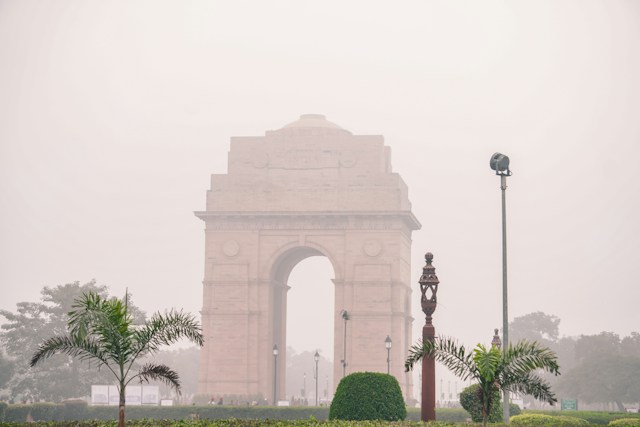
Banner image: Photo by Gyan Shahane on Unsplash
Sections of this article may have been developed with the assistance of artificial intelligence tools to support research, drafting and language refinement. All information has been reviewed, edited and verified by the author/editor to ensure accuracy, context and editorial integrity. The responsibility for the final content, interpretations and conclusions rests solely with the publisher.