Physical Address
23,24,25 & 26, 2nd Floor, Software Technology Park India, Opp: Garware Stadium,MIDC, Chikalthana, Aurangabad, Maharashtra – 431001 India
Physical Address
23,24,25 & 26, 2nd Floor, Software Technology Park India, Opp: Garware Stadium,MIDC, Chikalthana, Aurangabad, Maharashtra – 431001 India


India’s southwest monsoon has entered an abrupt and worrying pause, with fresh satellite images from the India Meteorological Department showing a sharp collapse in cloud cover over large parts of the country. Between June 4 and June 15, India received just 19.2 mm of rainfall against the normal 53.7 mm, leaving the country with a 64% rainfall deficit during what is usually one of the busiest phases of monsoon activity. The sudden slowdown has raised concerns over delayed sowing, weaker reservoir inflows and rising heat stress, especially as weather experts warn that this pause may continue for several more days.
Satellite images show monsoon clouds have thinned sharply
The slowdown is clearly visible from space. Satellite images captured by INSAT 3DS on June 14 and 15 showed vast stretches of central, peninsular and eastern India with very little dense cloud cover, a sharp contrast to what is normally expected by mid June. At this point in the season, large parts of India are usually covered by heavy rain-bearing cloud bands.
Rainfall maps from the weather department also show large deficits across Maharashtra, Karnataka, Telangana, Andhra Pradesh, Madhya Pradesh and Chhattisgarh, with several districts recording rainfall shortages of more than 50%. In western Maharashtra, districts such as Kolhapur, Satara and Sangli have been among the worst hit.
This comes even though the monsoon made a timely onset over Kerala earlier this month. After moving into parts of Maharashtra, Karnataka, Telangana and eastern India, the system has now slowed down.
What caused the monsoon to weaken
Weather experts say the problem is not a shortage of moisture over the Arabian Sea or the Bay of Bengal. Instead, it is linked to changes higher up in the atmosphere. A strong westerly jet stream has moved further south than normal, weakening the easterly jet stream that usually helps build rain clouds over India.
In simple terms, the air has moisture, but the winds needed to push that moisture upward and form rain clouds are not working as expected. This has created what meteorologists are calling a temporary monsoon pause.
There are also concerns over the return of El Niño conditions in the Pacific Ocean. The weather department has already warned that El Niño could strengthen further during the 2026 monsoon season, which may put additional pressure on rainfall if current conditions continue.
Heat stress is building as the rains stay away
The missing rainfall is also allowing heat to build across many parts of the country. The weather department’s latest seasonal forecast has warned of above normal temperatures and more heatwave days in June, especially in Uttar Pradesh, Bihar, Odisha, Chhattisgarh, Gujarat and Andhra Pradesh. It has also projected the overall 2026 monsoon at just 90% of the long-period average, placing it in the below normal category.
For farmers, this pause comes at a critical time. June is the main sowing period for kharif crops such as rice, cotton, soyabean and pulses. A prolonged dry spell at this stage can affect germination, soil moisture and planting schedules.
Economists are also watching the situation closely. Agriculture still supports a large part of India’s rural economy, and weak early-monsoon rainfall often raises concerns about crop yields, food prices, and water availability later in the season.
Rain may return later this month
There is still some hope. Weather models suggest that the current wind pattern could weaken by the third week of June, allowing the monsoon to regain strength. The weather department has indicated that fresh rainfall activity may return across central and southern India in the final week of June if atmospheric conditions improve.
For now, the dry spell is another reminder of how unpredictable India’s monsoon has become. Climate scientists have repeatedly warned that rainfall patterns are becoming more uneven, with longer dry spells, sudden heavy downpours and shifting monsoon timings.
For a country where nearly half of its farmland still depends on rainfall, this pause is not just a temporary weather event. It is becoming an increasing concern in climate and economics.
References:
Weak Monsoon Leaves India Parched as Rainfall Falls 64% Below Normal
90% of Normal: Why the 2026 Monsoon Arrival Has India’s Farmers on Edge
https://www.pib.gov.in/PressReleasePage.aspx?PRID=2266479®=3&lang=1
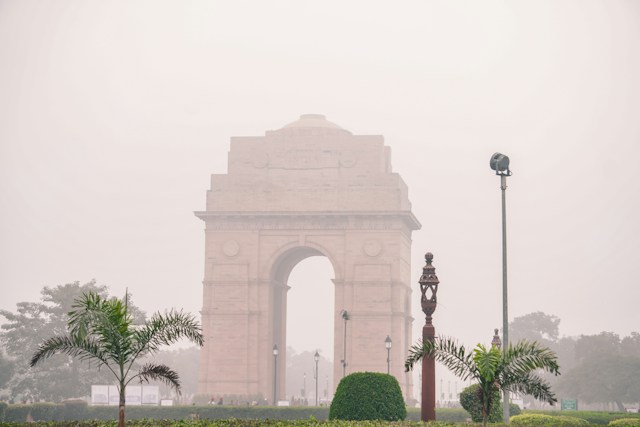
Banner image: Photo by hash whole.studios on Unsplash
Sections of this article may have been developed with the assistance of artificial intelligence tools to support research, drafting and language refinement. All information has been reviewed, edited and verified by the author/editor to ensure accuracy, context and editorial integrity. The responsibility for the final content, interpretations and conclusions rests solely with the publisher.