Physical Address
23,24,25 & 26, 2nd Floor, Software Technology Park India, Opp: Garware Stadium,MIDC, Chikalthana, Aurangabad, Maharashtra – 431001 India
Physical Address
23,24,25 & 26, 2nd Floor, Software Technology Park India, Opp: Garware Stadium,MIDC, Chikalthana, Aurangabad, Maharashtra – 431001 India


Climate change is often discussed in terms of melting glaciers and rising sea levels, but its most immediate and tangible impact is on human health, a reality that is intensifying faster than many anticipate. A new analysis by the ClimateRISE Alliance and Dasra, ‘Under the Weather: India’s Climate-Health Intersections and Pathways to Resilience,’ argues that climate and health challenges are deeply intertwined and urgently demands that health systems adopt a climate-centric approach in planning and response.
This report lays out a compelling case: climate change is not only an environmental crisis but a public health emergency in India. It shows how warming temperatures, erratic weather patterns, and climate extremes are already amplifying burdens on individuals and healthcare infrastructures, and how current efforts remain insufficient to meet the growing challenge.
A Climate-Health Nexus Too Critical to Ignore
India is a nation of over 1.4 billion people, with vast stretches of rural populations dependent on climate-sensitive livelihoods such as agriculture. As global temperatures climb, these communities face heightened exposure to heat stress, infectious diseases, food insecurity and other health hazards reshaped by climate change.
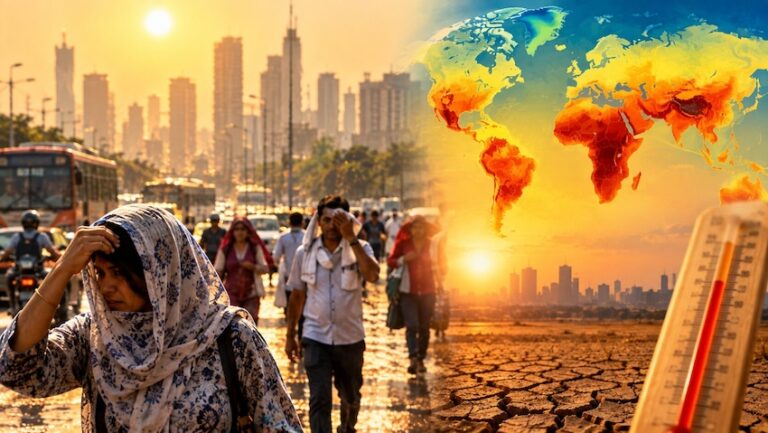
Recent research highlights this reality: extreme heat is no longer a distant future threat, it is hitting now. A study by the Council on Energy, Environment and Water (CEEW) found that nearly 57% of Indian districts, home to roughly 76% of the population, are at high to very high risk from extreme heat. Additionally, rising humidity is compounding heat stress across regions that were historically less vulnerable, intensifying the burden on human physiology and increasing susceptibility to heat-related illnesses.
Heat, Disease, and a Changing Risk Landscape
Heatwaves in India have increased both in frequency and severity, with heat-related illnesses such as heat exhaustion and heatstroke becoming more common. The elderly, infants, outdoor workers, and pregnant women are among the most vulnerable. This aligns with global science showing that rising temperatures affect not just comfort but survival, conditions that halt the body’s ability to cool itself can become “non-survivable” in extreme cases.
But heat stress is only part of the story. Vector-borne diseases like dengue and malaria are shifting their geographic patterns as temperature and rainfall regimes change, making previously unaffected regions hospitable to disease-carrying mosquitoes. These trends complicate public health efforts and strain systems already challenged by other communicable diseases.
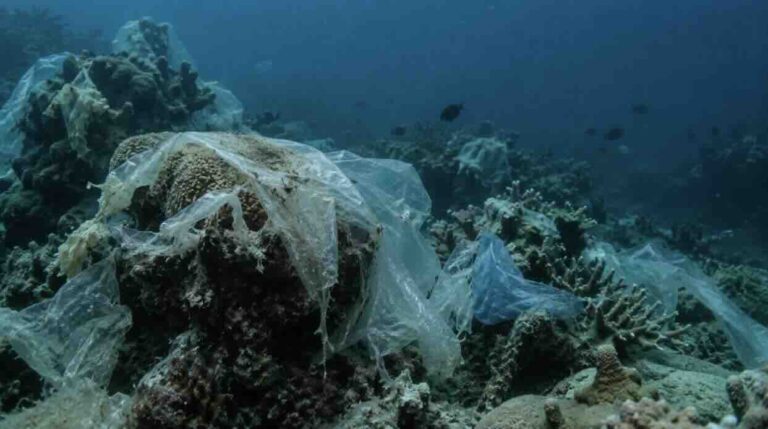
Sea-level rise driven by climate change presents a different dimension of health risk. Coastal saltwater intrusion contaminates freshwater sources, increases waterborne diseases, and disrupts nutrition and sanitation. Such impacts are especially severe for women and children, who often bear the brunt of unsafe water and increased travel burdens to fetch clean supplies.
System Stress and Resilience Gaps
The Under the Weather report highlights a concerning gap: climate is often absent from health policy planning and investment priorities. Approaches that treat climate and health as separate fields fail to confront the emerging reality that climate stressors directly influence disease burdens, healthcare demand, and health outcomes.
Current evidence suggests that India’s health infrastructure is increasingly vulnerable to climate shocks. Heatwaves strain emergency services and primary care networks, floods overwhelm hospitals and sanitation systems, and droughts compromise nutrition and water access. Without integration of climate risk into health planning, these stressors are likely to worsen, especially in underserved regions.
Moreover, climate change intersects with nutrition and food security, another fundamental determinant of health. Climate-driven disruptions in agricultural productivity threaten dietary diversity and food access in vulnerable communities. This has knock-on effects for child growth, maternal health and long-term development outcomes.
A Call for a Climate-Informed Health Strategy
Experts argue that climate resilience must be built into health systems from urban hospitals to rural primary health centres with strong emphasis on early warning systems, robust disease surveillance, and adaptive infrastructure. Capacity building among healthcare professionals to understand climate-linked risks is also essential.
At the policy level, integrating climate considerations into health strategy can ensure that responses are not reactive but anticipatory. This includes heat action plans, strengthened vector control programs in shifting risk zones, and community-based adaptation strategies that combine environmental and health knowledge systems to reduce vulnerability.
The Under the Weather report tells us why such integration is critical, not only to protect lives but to ensure that public health achievements are not eroded by climate change. It argues for a bifocal lens that sees climate and health as two sides of the same challenge, requiring coordinated systems, targeted investments, and long-term planning.
Beyond Adaptation: Transformative Policy and Practice
There is reason for cautious optimism. Global efforts at forums like the COP30 climate negotiations have begun earmarking funds and research toward climate and health, acknowledging it as a global priority. Philanthropic commitments are scaling up research funding for climate health and adaptive innovation.
In India, recent national action plans and institutional frameworks are starting to address climate-health risks, but implementation and scale remain uneven. Strengthening these frameworks through consistent funding, cross-sector coordination, and community engagement will be vital to building resilience.
Ultimately, the report and wider scientific evidence make a clear case: climate change is a health crisis now, and the window to act decisively is closing. Mainstreaming climate risk into health systems, policies, and public consciousness could be one of the most impactful ways to protect millions of lives in the years ahead.
References:
https://www.who.int/india/health-topics/climate-change
https://pmc.ncbi.nlm.nih.gov/articles/PMC3114809
https://www.theguardian.com/society/2026/apr/07/climate-sea-level-rise-health-impacts
https://www.iapsmupuk.org/journal/index.php/IJCH/article/view/3388
https://www.sciencedirect.com/science/article/pii/S266604902500009X
https://www.sciencedirect.com/science/article/pii/S2667278223000688
Banner Image: Photo by Julia Taubitz on Unsplash
Sections of this article may have been developed with the assistance of artificial intelligence tools to support research, drafting, and language refinement. All information has been reviewed, edited, and verified by the author/editor to ensure accuracy, context, and editorial integrity. The responsibility for the final content, interpretations, and conclusions rests solely with the publisher.