Physical Address
23,24,25 & 26, 2nd Floor, Software Technology Park India, Opp: Garware Stadium,MIDC, Chikalthana, Aurangabad, Maharashtra – 431001 India
Physical Address
23,24,25 & 26, 2nd Floor, Software Technology Park India, Opp: Garware Stadium,MIDC, Chikalthana, Aurangabad, Maharashtra – 431001 India

A new report by the Intergovernmental Science Policy Platform on Biodiversity and Ecosystem Services (IPBES) warns that much of the world’s economy is steadily wearing down the natural systems it depends on to function. By clearing forests, draining wetlands and converting grasslands and savannahs for agriculture, mining and infrastructure, businesses are weakening nature’s ability to provide essentials such as clean water, fertile soil, flood protection and pollination. Drawing on thousands of scientific studies, the report finds that nearly half of global economic output relies heavily on healthy ecosystems, even as those systems continue to decline, creating growing risks for long term business stability, financial systems and human well-being.
Approved by representatives of more than 150 governments during the twelfth session of the IPBES Plenary in Manchester, the assessment highlights that even businesses that appear far removed from nature depend on biodiversity through supply chains, regulation of environmental conditions and cultural and recreational values. The report concludes that while businesses have been major drivers of biodiversity loss, they are also central to reversing it, provided the right conditions and incentives are put in place.
Economic Dependence on Nature and the Scale of Impact
The IPBES report shows that sectors such as agriculture, forestry, fisheries, energy, construction and tourism depend directly on nature’s contributions, including soil formation, water purification, climate regulation and pollination. More than 50% of global gross domestic product is moderately to highly dependent on these ecosystem services. Yet businesses often bear little or no financial cost for damaging nature, while the benefits from conserving biodiversity are rarely reflected in market prices or company balance sheets.
According to the report, over half of the world’s terrestrial environment has already been converted or degraded. Forests have been cleared for crops and plantations, wetlands drained for development and grasslands altered for grazing and infrastructure. These changes reduce biodiversity and weaken landscapes’ ability to buffer floods, store water during droughts and regulate climate, gradually eroding the natural foundations that support economic activity worldwide.
Financial Risks, Supply Chains and Systemic Pressures
The report warns that declining ecosystem health is translating into material risks for business supply chains and financial stability. Food and beverage companies face growing uncertainty as pollinator populations decline and soils degrade, while fisheries and aquaculture are threatened by habitat loss and declining water quality. When ecosystem services fail, impacts can cascade across supply chains, raising costs, disrupting production and affecting consumer prices.
IPBES estimates that in 2023, global public and private finance flows with directly negative impacts on nature reached about $7.3 trillion, including $4.9 trillion from private finance and roughly $2.4 trillion in environmentally harmful public subsidies. By contrast, only about $220 billion was directed towards biodiversity conservation and restoration, representing just a small fraction of financial flows that continue to drive nature loss. The report warns that these imbalances create systemic risks that can accumulate and push ecosystems beyond recovery thresholds.
Enabling Change and the Role of Business Action
The assessment stresses that businesses cannot deliver the scale of change needed on their own. It identifies the need for an enabling environment built around stronger policy and regulatory frameworks, reformed financial systems, improved data and technology, and shifts in social norms and business culture. More than 100 concrete actions are outlined for businesses, governments, financial actors and civil society, covering corporate strategy, operations, value chains and investment portfolios.
The report also highlights major gaps in how businesses measure and manage their impacts on nature. Fewer than one per cent of publicly reporting companies currently mention biodiversity impacts in their disclosures. Financial institutions cite a lack of reliable data, models and scenarios as key barriers to assessing nature-related risks. IPBES emphasises that better engagement with science and with Indigenous Peoples and local communities is essential, noting that industrial development threatens about 60% of Indigenous lands globally, while a quarter of Indigenous territories face high pressure from resource exploitation. The authors conclude that aligning what is profitable for business with what benefits nature is not optional, but necessary for long term economic resilience and survival.
References:
https://www.ipbes.net/node/97532
IPBES: Four key takeaways on how nature loss threatens the global economy
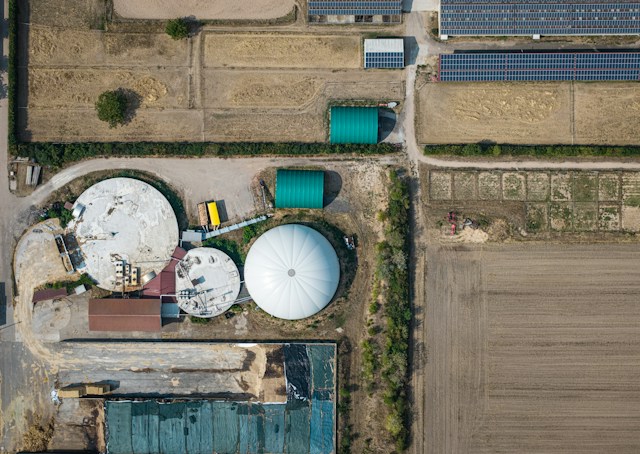
Banner image: Photo by Jack Charles on Unsplash
Sections of this article may have been developed with the assistance of artificial intelligence tools to support research, drafting and language refinement. All information has been reviewed, edited and verified by the author/editor to ensure accuracy, context and editorial integrity. The responsibility for the final content, interpretations and conclusions rests solely with the publisher.