Physical Address
23,24,25 & 26, 2nd Floor, Software Technology Park India, Opp: Garware Stadium,MIDC, Chikalthana, Aurangabad, Maharashtra – 431001 India
Physical Address
23,24,25 & 26, 2nd Floor, Software Technology Park India, Opp: Garware Stadium,MIDC, Chikalthana, Aurangabad, Maharashtra – 431001 India

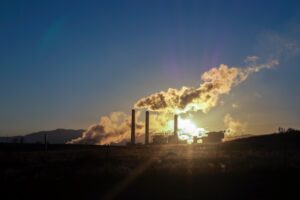
Despite years of climate pledges and international talks, global carbon dioxide emissions remain heavily concentrated among a limited number of fossil fuel producers. New research suggests that just 32 companies now account for half of emissions tied to fossil fuel use worldwide. The study, based on the Carbon Majors database, reflects a slight shift from the previous year, when 36 firms held a similar share. Most of the highest emitters are state-owned producers from countries that opposed a fossil fuel phaseout at the UN climate summit in late 2025. Among investor-owned companies, some of the largest oil and gas firms also appear near the top of the list. Researchers and advocates say the latest findings reveal how a concentrated group of producers continues to drive global carbon emissions at a time when climate targets demand rapid cuts and coordinated action.
Concentrated Emissions Among a Few Major Firms
The report draws on updated data that attributes fossil fuel-related carbon dioxide emissions to production by individual companies. It shows that a small group of producers now accounts for an unusually large share of emissions, underscoring how responsibility for climate heating is concentrated in a limited number of corporate and state entities. 17 of the top 20 emitters are state-controlled firms from countries including Saudi Arabia, Russia, China, Iran, the United Arab Emirates and India. These nations were among those that resisted a worldwide commitment to phase out fossil fuel use at the latest United Nations climate talks.
Among investor-owned companies, some of the familiar names in the global oil and gas industry also make the list, though they represent a smaller share of total emissions. The contrast between state and investor ownership highlights how nation-level policy decisions and corporate strategies interact to shape long-term emissions profiles worldwide. Researchers say this pattern points to persistent political and economic barriers to moving away from fossil fuel dependence.
Emissions Levels, Record Trends and Climate Goals
The study coincides with broader evidence showing that global carbon dioxide emissions continue to rise after temporary dips in past years. Scientists say annual emissions need to fall dramatically by 2030 to align with internationally agreed limits designed to keep warming near 1.5°C. Current trends, however, show little sign of sustained decline, as fossil fuel extraction and combustion remain central to energy systems in many regions.
Lead analysts behind the Carbon Majors update note that the concentration of emissions among fewer producers has increased over time. While the number of firms responsible for half of emissions has declined in recent years, their combined output remains high. This suggests that efforts to reduce carbon dioxide emissions must address both the scale of fossil fuel production and how it is distributed among major actors in the global energy market.
Accountability, Legal Use of Data and Future Prospects
Climate advocates and legal experts say the dataset is increasingly being used in lawsuits and policy debates to assign responsibility for climate impact and economic losses. Courts and regulatory bodies in several countries have cited the analysis to pursue legal actions against firms or to push for stronger climate governance. This legal backdrop reflects a shift in how emissions data informs decisions beyond academic research, extending into real-world accountability mechanisms.
Some experts also argue that transparency in emissions attribution can help shape more informed discussions about climate policy, energy transition strategies and investment priorities. By exposing which producers contribute most to global warming, they say, the data can support targeted measures that encourage reduced reliance on fossil fuels and stronger commitments to clean energy innovation.
Broader Impacts and Ongoing Challenges
The concentration of emissions among a small cohort of producers has implications for how countries and industries approach climate action. Because national policies and corporate decisions are intertwined, the pace of emissions reduction depends on both government regulation and corporate strategy. Analysts caution that without stronger commitments from major producers, global efforts to reduce carbon dioxide will continue to lag behind scientific recommendations.
Efforts to expand carbon capture technology, increase investment in renewable energy and reform energy markets are among the strategies being discussed to reduce overall emissions. However, these solutions face hurdles including high costs, technological limits and differing national interests. As climate negotiations continue in the run-up to future summits, pressure is mounting on major producers of fossil fuels to clarify how they intend to align their operations with international climate objectives.
References:
https://carbonmajors.org/briefing/Carbon-Majors-2024-Data-Update-35466
32 Fossil Fuel Companies Responsible for Half of Global CO2 Emissions in 2024: Report
Banner image: Photo by Brendan O’Donnell on Unsplash
Sections of this article may have been developed with the assistance of artificial intelligence tools to support research, drafting and language refinement. All information has been reviewed, edited and verified by the author/editor to ensure accuracy, context and editorial integrity. The responsibility for the final content, interpretations and conclusions rests solely with the publisher.