Physical Address
23,24,25 & 26, 2nd Floor, Software Technology Park India, Opp: Garware Stadium,MIDC, Chikalthana, Aurangabad, Maharashtra – 431001 India
Physical Address
23,24,25 & 26, 2nd Floor, Software Technology Park India, Opp: Garware Stadium,MIDC, Chikalthana, Aurangabad, Maharashtra – 431001 India


Barcelona experienced its warmest June since weather records began in 1914, as the Mediterranean city buckles under a sweeping heatwave that’s spreading across Europe. The Fabra Observatory, the city’s long‑standing meteorological station, recorded an average temperature of 26 °C for June 2025, surpassing the previous high by a wide margin. The mercury briefly peaked at 37.6 °C on June 30, also a new record for the month. With night-time temperatures consistently staying above 25 °C, residents could find no respite even after the sun set.
This extreme heat wave is far from limited to Barcelona. Much of Southern Europe is enduring scorching heat, with countries like France, Italy, and Spain issuing red alerts and imposing emergency measures. In Portugal, Mora reached 46.6°C, the highest temperature ever recorded on a June day. The persistent high heat exemplifies a troubling shift toward earlier, longer, and more intense summer extremes—a pattern closely tied to human-caused climate change.
Heatwave Disrupts Lives, Infrastructure, and Public Health
The intense temperatures have had immediate human impacts in Barcelona and beyond. The Spanish Meteorological Agency (AEMET) issued high‑temperature alerts across 45 of Spain’s 50 provinces, while Catalonia expected daytime highs to exceed 43 °C in river valleys. In Barcelona, local authorities are investigating the possible heat‑related death of a 51‑year‑old street cleaner who fell ill while working during the peak of the heat.
Other regions in Europe also experienced the extremes: over 1,300 schools in France were closed or partially shut down, outdoor work in Italy was banned, and power grids in Florence struggled to cope with surging demand. Cities like Paris kept parks open overnight to offer cooling relief. These disruptions are indicative of a warming climate that is now regularly overwhelming public health systems, urban design, and labour practices.
Wildfires and Ocean Warming Add to the Crisis
Amplifying the impacts, dry soils and blazing temperatures have triggered wildfires across the Mediterranean. In northeastern Spain’s Lleida province, a major wildfire scorched some 6,500 hectares, forcing 14,000 residents to shelter indoors and tragically causing at least two deaths. Across Turkey, extreme dryness has set off massive fires, prompting the evacuation of over 50,000 people.
Meanwhile, the Mediterranean Sea is showing alarming signs: surface waters near the Balearic Islands measured 5–6 °C above the seasonal norm. This marine heat wave reduces the natural cooling effect that coastal regions depend on and reinforces a feedback loop that intensifies land-based heat events. Marine heat also poses a threat to ocean health, fisheries, and coastal ecosystems, exacerbating the broader climate emergency.
Cities like Barcelona must urgently enhance their heat resilience through improved urban planning, expanded green spaces, the installation of cool roofs, the implementation of heat action plans, and the upgrading of health and power systems. On the policy front, deeper emissions cuts are essential to avoid locking in ever-more extreme summers. The June heat wave is more than record-breaking; it’s a red alert that climate disruption is here, demanding immediate, collective action.
References:
Barcelona records hottest June in over 100 years as heat wave grips Europe – The Hindu
Spain and England record hottest June as heatwave grips Europe
Barcelona investigates street sweeper’s death as Spain swelters in heatwave | Reuters
France shuts schools, Italy limits work outdoors in ‘exceptional’ European heatwave | Reuters
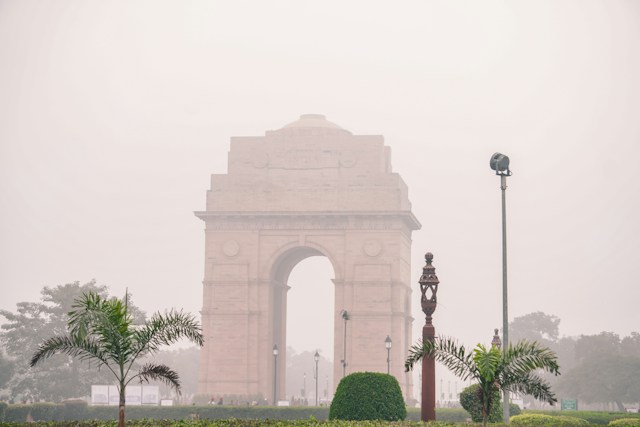
Banner image:
Photo by Dewang Gupta on Unsplash

Comments are closed.






gls4np