Physical Address
23,24,25 & 26, 2nd Floor, Software Technology Park India, Opp: Garware Stadium,MIDC, Chikalthana, Aurangabad, Maharashtra – 431001 India
Physical Address
23,24,25 & 26, 2nd Floor, Software Technology Park India, Opp: Garware Stadium,MIDC, Chikalthana, Aurangabad, Maharashtra – 431001 India


India is reeling under one of its harshest pre-monsoon heat spells in recent years, with temperatures soaring across northern, central and western regions even as the United Nations warned that worsening climate change is intensifying extreme weather events worldwide.
The India Meteorological Department (IMD) has forecast heatwave to severe heatwave conditions in several states, including parts of Rajasthan, Punjab, Haryana, Delhi, Uttar Pradesh, Madhya Pradesh and Vidarbha, while warning that relief may remain limited over the next few days in many regions, according to latest weather forecasts.
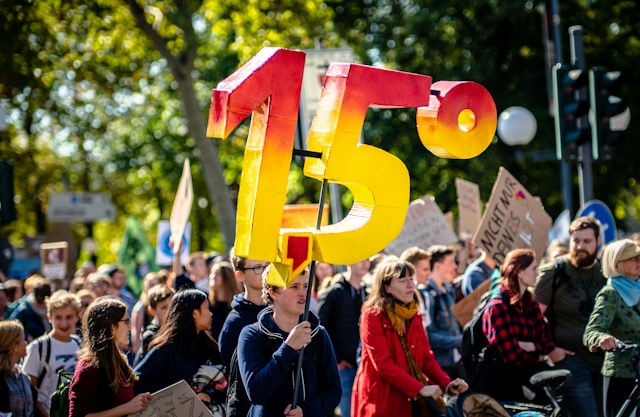
The warning comes amid fresh global climate projections which stated this week that there is a 75 per cent chance average global temperatures between 2026 and 2030 will exceed 1.5 degrees Celsius above pre-industrial levels, the threshold established under the Paris Agreement. The agency also warned that at least one of the next five years is highly likely to become the hottest year ever recorded, according to recent global climate projections. India’s ongoing heatwave has coincided with these warnings, underscoring growing concerns among climate scientists and policymakers about the increasing frequency, duration and intensity of extreme heat events in South Asia.
UN climate chief Simon Stiell directly linked India’s soaring temperatures to worsening climate change driven by continued dependence on fossil fuels such as coal, oil and gas. “The ongoing extreme heat across large parts of India is primarily driven by worsening climate change caused by the massive burning of coal, oil and gas,” Stiell said in a statement.
He also highlighted the human and economic consequences of the heatwave, especially for those without access to cooling infrastructure and for workers exposed to long hours outdoors. “These extremes drive home the importance of measures to adapt to climate impacts, globally,” he said.
According to the IMD’s latest weather bulletin, severe heatwave conditions were reported in parts of west Rajasthan, where Sriganganagar recorded a maximum temperature of 48.2 degrees Celsius earlier this week. Heatwave conditions have also spread across isolated pockets of east Madhya Pradesh, Vidarbha, Bihar, Jharkhand and parts of Uttarakhand. The weather office warned that severe heat conditions are likely to persist over parts of northwest and central India before thunderstorms and western disturbances potentially bring some relief later this week.
Forecasts suggest temperatures in parts of northwest India may dip marginally as thunderstorms and dust storms are expected to affect the region over the coming days. However, weather experts cautioned that intermittent rainfall may not significantly reduce the broader heat stress affecting much of the country. The prolonged heat has already placed enormous strain on India’s power infrastructure. According to official data cited by Stiell, India recorded unprecedented electricity demand levels in recent days as households and businesses relied heavily on cooling systems.
Peak power demand reached 257.3 gigawatts on May 18, climbed to 260.4 GW on May 19, rose further to 265 GW on May 20 and touched a record 270.8 GW on May 21.
Stiell noted that renewable energy sources, especially solar power, helped meet daytime electricity demand during the heatwave. He said India’s expansion of solar energy capacity had played an important role in supporting the power system during extreme temperatures.
“Solar and other renewable energy sources have helped in meeting day-time peaks, and India’s strong steps to ramp up solar power have been a benefit,” he said.
Climate scientists have increasingly warned that heatwaves in India are no longer isolated seasonal events but are becoming more frequent and prolonged due to global warming. Studies in recent years have shown that rising baseline temperatures combined with urban heat island effects, deforestation and changing weather patterns are amplifying the severity of Indian summers.
The WMO projections released this week painted an even more alarming global picture. The agency said there is a 91 per cent chance that at least one year between 2026 and 2030 will cross the 1.5-degree warming threshold individually, while there is an 86 per cent chance that one of those years will surpass 2024 as the hottest year ever measured globally.
The report warned that a hotter planet would lead to more intense and frequent extreme weather events including floods, droughts, wildfires and heatwaves.
Responding to the projections, Stiell said the “baking temperatures in Europe, India and elsewhere show yet again the brutal human and economic impacts of humanity still burning colossal amounts of coal, oil and gas.”
Public health experts have also raised concerns over the mounting health impacts of extreme heat in India. Hospitals in several cities have reported rising cases of dehydration, heat exhaustion and heatstroke, especially among children, elderly people and outdoor labourers.
Doctors have urged people to avoid prolonged sun exposure, remain hydrated and limit outdoor activity during peak afternoon hours.
Heatwaves have emerged as one of India’s deadliest climate-related hazards in recent years. The country witnessed its warmest year on record in 2024, according to the IMD, with annual mean temperatures rising significantly above long-term averages.
References:
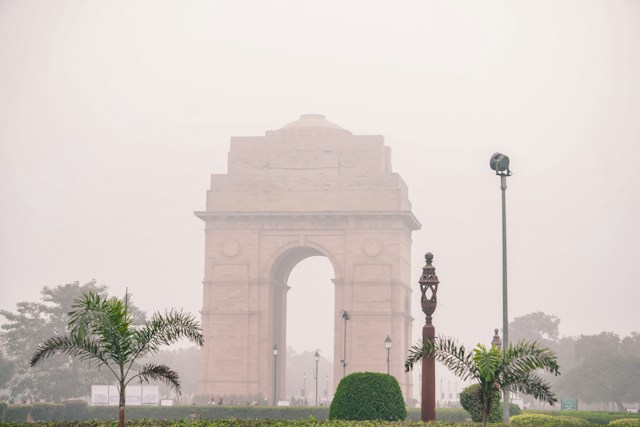
Banner Image: Photo by Ramiro Pianarosa on Unsplash
Sections of this article may have been developed with the assistance of artificial intelligence tools to support research, drafting and language refinement. All information has been reviewed, edited and verified by the author/editor to ensure accuracy, context and editorial integrity. The responsibility for the final content, interpretations and conclusions rests solely with the publisher.