Physical Address
23,24,25 & 26, 2nd Floor, Software Technology Park India, Opp: Garware Stadium,MIDC, Chikalthana, Aurangabad, Maharashtra – 431001 India
Physical Address
23,24,25 & 26, 2nd Floor, Software Technology Park India, Opp: Garware Stadium,MIDC, Chikalthana, Aurangabad, Maharashtra – 431001 India

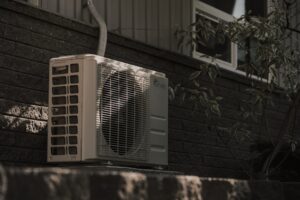
India’s electricity system may need a fundamental rethink as El Niño-driven heat pushes cooling demand higher while simultaneously reducing renewable energy generation, according to a new analysis by the Centre for Research on Energy and Clean Air (CREA). The report warns that the 2026 to 2027 El Niño could become one of the biggest tests yet for India’s power sector, with soaring demand for air conditioning expected to coincide with weaker output from solar, wind and hydropower. Researchers say this double pressure could force greater reliance on coal unless grid flexibility, energy storage and demand management improve rapidly.
El Niño could push power demand higher as renewable output weakens
The analysis finds that India is likely to experience the largest energy system impacts of any major economy during the current El Niño event. While higher temperatures are expected to drive a sharp increase in electricity demand for cooling, changes in rainfall, cloud cover and wind patterns could reduce electricity generation from renewable sources at the same time.
According to the report, India could require an additional 18 terawatt-hours of coal-fired electricity over the next year to meet the rise in cooling demand. At the same time, weaker monsoon rainfall could reduce hydropower generation, while changes in cloud cover and wind speeds may affect solar and wind output, increasing pressure on the national grid.
The findings come as India’s electricity demand continues to rise rapidly. The country recorded a peak demand of around 271 GW this year, and the Union Power Ministry expects this to reach 276 to 280 GW by the end of 2026 before climbing to around 300 GW next year, driven by rising use of air conditioners, electric vehicles and data centres.
Cooling demand is emerging as the biggest challenge
Researchers say India’s power system has traditionally focused on meeting growing industrial and household electricity demand. However, climate-driven cooling demand is now becoming one of the fastest-growing sources of electricity consumption.
The report notes that cooling demand peaks during the afternoon and evening, when solar generation begins to decline. Without sufficient battery storage or flexible power sources, this mismatch could increase dependence on coal-fired generation during peak hours. Scientists say this challenge will become more pronounced as extreme heat events become more frequent under climate change.
Recent data already point in that direction. Coal fired electricity generation rose to 14%, its highest level since November 2023 in June 2026 as prolonged heat and below normal monsoon rainfall increased demand for cooling. During the same period, hydropower generation fell by more than 24%, highlighting how climate variability can simultaneously increase demand while reducing renewable supply.
Study calls for a new approach to power planning
The authors argue that El Niño should no longer be treated simply as a weather phenomenon but as a major planning challenge for India’s electricity sector. They recommend expanding battery storage, strengthening transmission networks, improving weather forecasting and encouraging demand response measures that can reduce electricity use during peak periods.
The report also says future power planning should account for climate variability alongside long-term energy transition goals. As India continues to expand renewable energy capacity, ensuring that the grid can withstand periods of extreme heat and weaker renewable generation will become increasingly important.
Researchers warn that climate change is making events such as El Niño more consequential for energy systems. For India, where electricity demand is rising rapidly and cooling needs are expected to grow for decades, building a more resilient and flexible power system may become just as important as adding new renewable energy capacity.
References:
Energy systems around the world will feel the strain of a super El Niño, but none more than India’s
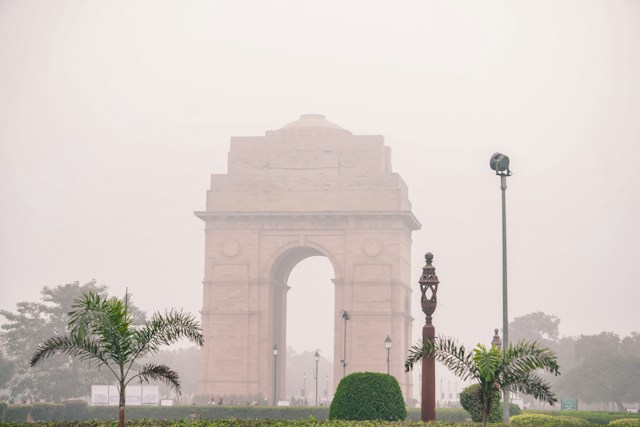
Banner image: Photo by Everett Pachmann on Unsplash
Sections of this article may have been developed with the assistance of artificial intelligence tools to support research, drafting and language refinement. All information has been reviewed, edited and verified by the author/editor to ensure accuracy, context and editorial integrity. The responsibility for the final content, interpretations and conclusions rests solely with the publisher.