Physical Address
23,24,25 & 26, 2nd Floor, Software Technology Park India, Opp: Garware Stadium,MIDC, Chikalthana, Aurangabad, Maharashtra – 431001 India
Physical Address
23,24,25 & 26, 2nd Floor, Software Technology Park India, Opp: Garware Stadium,MIDC, Chikalthana, Aurangabad, Maharashtra – 431001 India
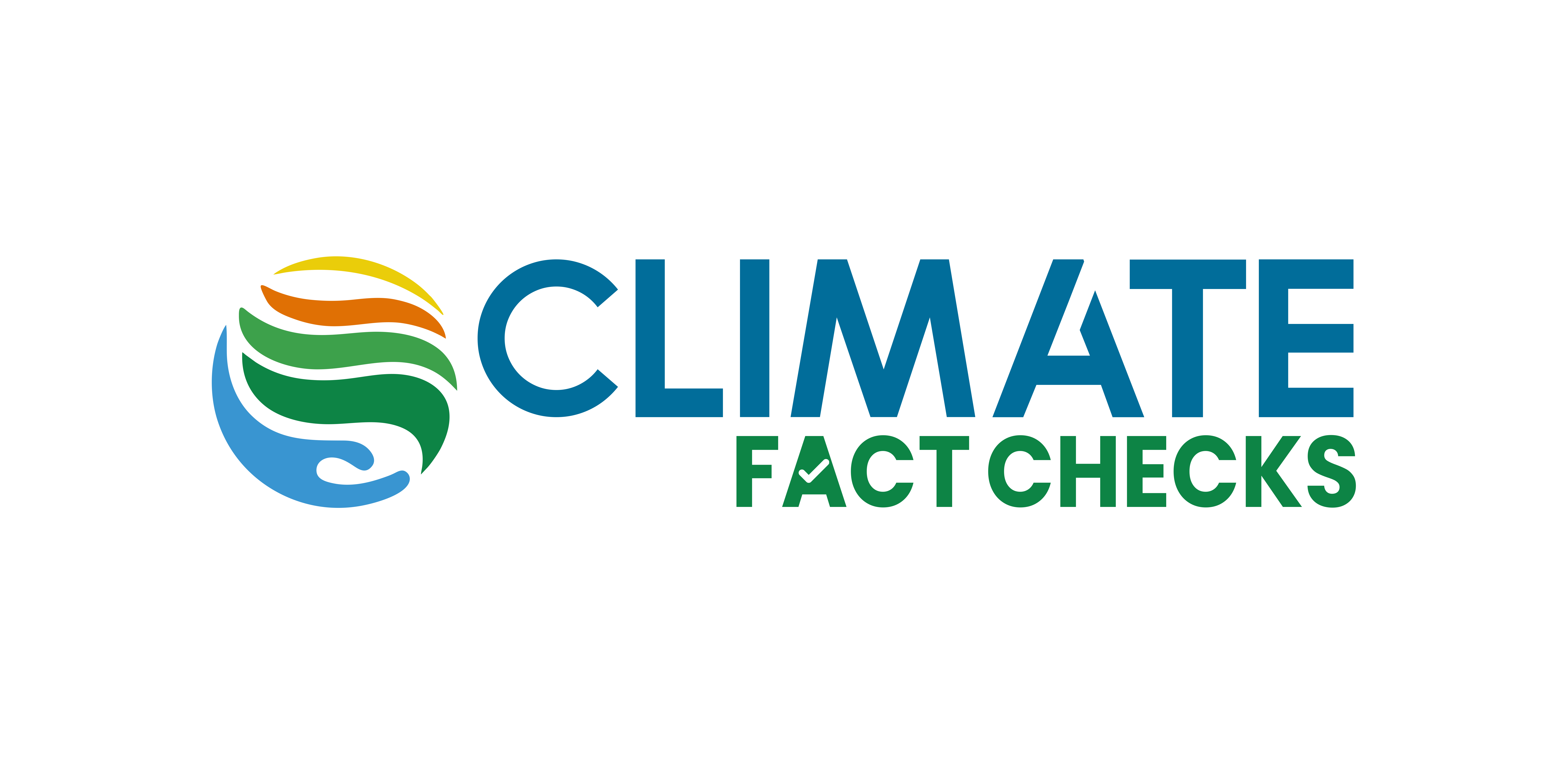

Extreme heat is emerging as a growing health concern for pregnant women and newborns in India, with nearly all Indian healthcare professionals surveyed saying they had treated patients whose health they believed had been affected by high temperatures. The findings come from a global study presented by the Wellcome research organisation on the sidelines of COP31 in Antalya, Türkiye, on November 13. The survey covered 1,000 healthcare professionals across five countries, including 200 from India. It also highlights a gap in climate funding, with a UN official warning that health receives only a small share of international climate finance.
Indian clinicians report rising heat-related health problems
According to the survey, 98% of Indian healthcare professionals said they had cared for a pregnant woman whose health they believed had been affected by extreme heat. The same proportion reported treating a baby they believed had experienced heat-related health effects. These figures reflect the experiences and assessments of healthcare workers, rather than medically confirmed cases caused by heat.
The survey also asked clinicians whether they had noticed changes over the past five years. Around 66% of Indian respondents reported an increase in heat-related cases or complications affecting foetuses and newborns, while 62% reported a rise among pregnant women. About 26% said they had seen pregnancy complications that required additional monitoring or treatment. Reported concerns among newborns included dehydration, low birth weight, restricted growth and difficulties with feeding.
The findings are part of a wider pattern across the five countries surveyed. Overall, 73% of healthcare professionals reported an increase in heat-related complications among pregnant women, while 76% noticed a rise in problems affecting foetuses or newborns. The survey was conducted online between September 17 and October 1, 2026, and included doctors, obstetricians, gynaecologists, nurses, midwives and other maternal healthcare workers in India, Australia, Brazil, the United Kingdom and Zimbabwe.
Heat exposure can affect pregnancy and newborn health
Extreme heat during pregnancy has been linked to premature births, low birth weight and stillbirths, along with complications for mothers. A review of research on maternal health found that the likelihood of preterm birth increased by around 5% with every 1°C rise in temperature. It also found that exposure to heatwaves was linked to a 25% higher risk of complications during pregnancy.
The risks do not end with childbirth. Newborn babies can struggle to regulate their body temperature, and extreme heat can contribute to dehydration and feeding difficulties. High temperatures can also make it harder for pregnant women to reach healthcare facilities. In the five-country survey, 27% of respondents said heat was making travel to or access to medical care more difficult. Another 29% reported an increase in urgent or emergency visits. These findings point to the need for healthcare services to prepare for extreme heat, particularly during periods when temperatures remain high for several days.
Health gets a small share of climate finance
The study was presented at COP31 alongside calls for greater attention to health in climate discussions. Youssef Nassef, director of the adaptation programme at UN Climate Change, said that only around 1% of formal climate finance goes towards health. He called for more investment in healthcare systems that can cope with climate-related risks, including extreme heat.
Nassef also said countries need to assess their healthcare systems at national and local levels to identify gaps and estimate the funding required to address them. Meanwhile, Wellcome has called for pregnant women, new mothers and newborns to be included in national climate and health plans. It has also urged the World Health Organisation to develop its first clinical guidance on heat exposure during pregnancy and the period after childbirth. The survey found that 92% of healthcare professionals wanted more training and resources to protect pregnant women during extreme heat, pointing to the need for better support for those providing care.
References:
Extreme heat is putting pregnant women and their babies at risk
Keeping Mothers Safe from Extreme Heat: A Global Call to Action | Wellcome
Banner image: Photo by Heather Mount on Unsplash
Sections of this article may have been developed with the assistance of artificial intelligence tools to support research, drafting, and language refinement. All information has been reviewed, edited, and verified by the author/editor to ensure accuracy, context, and editorial integrity. The responsibility for the final content, interpretations, and conclusions rests solely with the publisher.