Physical Address
23,24,25 & 26, 2nd Floor, Software Technology Park India, Opp: Garware Stadium,MIDC, Chikalthana, Aurangabad, Maharashtra – 431001 India
Physical Address
23,24,25 & 26, 2nd Floor, Software Technology Park India, Opp: Garware Stadium,MIDC, Chikalthana, Aurangabad, Maharashtra – 431001 India


The triple planetary crisis: climate change, biodiversity loss, and pollution—unfolds not as three separate emergencies but as a single, reinforcing system of risk. In earlier parts of this series, we examined how climate change destabilises natural and human systems, and how biodiversity loss erodes the planet’s resilience. This third part turns to pollution, often the least visible yet most pervasive component of the crisis, and arguably its most immediate threat to human health.
Pollution permeates daily life in ways both obvious and unseen. From smog-filled city air to microplastics embedded in seafood, soil, and even human bloodstreams, pollution has become a constant presence in the modern world. Unlike climate change, whose impacts are sometimes perceived as future risks, pollution is a here-and-now killer.
Pollution Everywhere, All the Time
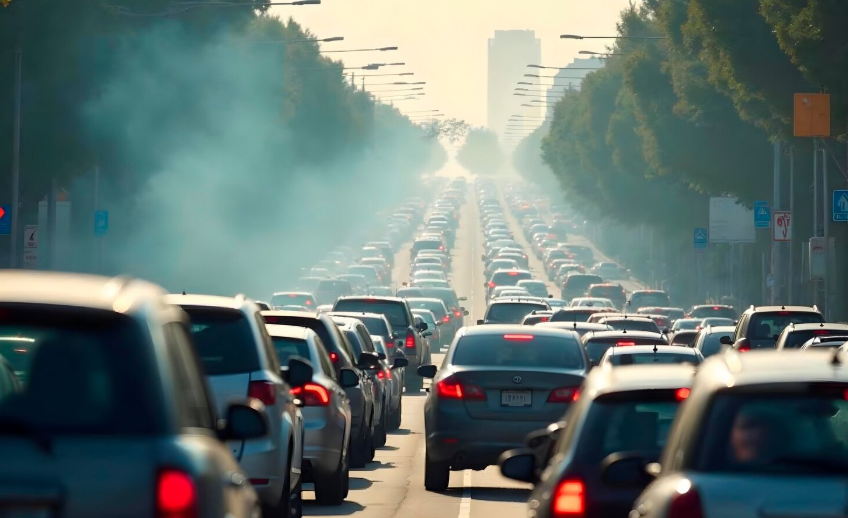
Air pollution alone is responsible for an estimated seven million premature deaths each year, making it one of the largest environmental health risks globally. Fine particulate matter from vehicles, power plants, industries, and household fuels penetrates deep into the lungs and bloodstream, increasing the risk of heart disease, strokes, respiratory illnesses, and cancer.
Plastic pollution is equally insidious. Rivers now act as pipelines carrying waste into oceans, where plastics break down into microplastics that enter marine food webs. Fish, shellfish, and even salt and drinking water now contain plastic particles, raising concerns about long-term health impacts that science is only beginning to understand.
Chemical pollution compounds the problem. Pesticides, fertilisers, industrial chemicals, and heavy metals contaminate soils and groundwater, undermining food safety and ecosystem health. Once released, many of these substances persist for decades, accumulating across generations of plants, animals, and humans.
How Pollution Amplifies the Other Crises
Pollution does not act in isolation. It actively worsens both climate change and biodiversity loss, tightening the web of the triple planetary crisis.
Nutrient pollution from agricultural runoff creates oxygen-starved “dead zones” in lakes and oceans, devastating fisheries and coastal ecosystems. Heavy metal contamination degrades biodiversity hotspots, weakening ecosystems already stressed by deforestation and warming.
Climate change, in turn, exacerbates the dangers of pollution. Rising temperatures increase the formation of ground-level ozone, thereby worsening air quality. Heatwaves trap pollutants in stagnant air, prolonging exposure in urban areas. Warming oceans alter chemical reactions, intensifying the impacts of marine pollution.
The result is a dangerous feedback loop: pollution degrades ecosystems that could otherwise buffer climate impacts, while climate change magnifies the reach and toxicity of pollutants.
Solutions: From Linear Waste to Circular Systems
Addressing pollution requires rethinking how economies produce, consume, and dispose of materials. Circular economy approaches—reduce, reuse, recycle—are central to breaking the pollution cycle. Designing products for durability, repair, and recyclability reduces waste at the source.
Policy interventions are already showing promise. Bans on single-use plastics, stricter emission standards, cleaner fuels, and safer chemical regulations have delivered measurable improvements in several regions. Cleaner production technologies reduce pollution while improving efficiency and competitiveness.
Yet the burden of pollution is deeply unequal. Developing countries bear the heaviest health and environmental costs, despite contributing least to historical pollution. Tackling the crisis fairly will require technology transfer, financial support, and capacity-building to enable cleaner growth pathways.
References:
https://pmc.ncbi.nlm.nih.gov/articles/PMC9135010
Photo by Freepik
Banner Image: AI Generated