Physical Address
23,24,25 & 26, 2nd Floor, Software Technology Park India, Opp: Garware Stadium,MIDC, Chikalthana, Aurangabad, Maharashtra – 431001 India
Physical Address
23,24,25 & 26, 2nd Floor, Software Technology Park India, Opp: Garware Stadium,MIDC, Chikalthana, Aurangabad, Maharashtra – 431001 India

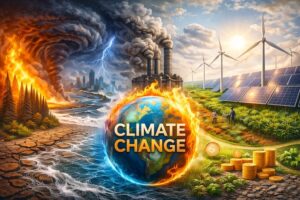
We’re not facing one apocalypse, but three in lockstep: climate change superheating the planet, biodiversity collapsing like dominoes, and pollution poisoning every breath as the OECD‘s stark Environmental Outlook warns. These three crises interlock: climate superheats everything, biodiversity erodes buffers, pollution poisons the remnants, amplifying each other toward catastrophe. The OECD projects 10-20% GDP losses without action.
This 4-part series breaks it down:
Part 1: Climate
Part 2: Biodiversity
Part 3: Pollution
Part 4: Full solutions (Exclusive sum up).
Within the triple planetary crisis of climate change, biodiversity loss, and pollution, climate change functions as the main engine accelerating environmental breakdown. Driven by the burning of fossil fuels, deforestation, and industrial activity, rising greenhouse gas emissions are reshaping Earth’s climate systems. These changes do not occur in isolation; they intensify ecological stress, worsen pollution, and undermine the natural systems that support life and economies.
Since pre-industrial times, global temperatures have already increased by around 1.2°C. While this rise may appear small, it has already triggered widespread disruption. Under current policies, projections indicate that warming could exceed 2.5°C by mid-century, pushing ecosystems and human systems closer to irreversible tipping points. Beyond this threshold, climate impacts risk becoming self-reinforcing and far harder to manage.
Climate Change as a Force Multiplier
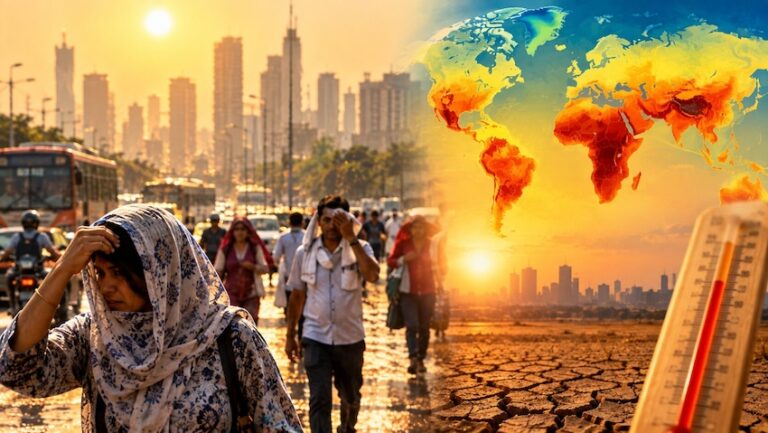
Climate change acts as a force multiplier, amplifying existing vulnerabilities rather than creating isolated new threats. Extreme weather events that were once rare are becoming more frequent and intense. Heatwaves, floods, droughts, and storms are displacing millions of people each year, while warmer oceans are increasing the intensity of hurricanes and cyclones by an estimated 10–20 percent.
Urban areas, particularly coastal cities, are facing growing risks from sea-level rise and storm surges. At the same time, climate change alters atmospheric circulation patterns in ways that worsen pollution. According to Shipra Jain, Lecturer in Meteorological Risks at University College London, “Climate change in one region can disrupt ecosystems or make air pollution worse by creating stagnant weather conditions elsewhere.” Such stagnation traps pollutants near the surface, increasing health risks even in regions far from major emission sources.
Threats to Food, Water, and Livelihoods
Climate change poses a serious threat to food and water security, particularly in developing regions. Rising temperatures and unpredictable rainfall are reducing agricultural productivity, with crop yields in tropical regions projected to decline by up to 20 percent. These losses directly affect farmer incomes and increase the risk of hunger and malnutrition.
Water systems are under similar strain. Glacial melt, prolonged droughts, and shifting monsoon patterns mean that billions of people could face water scarcity, increasing competition over resources, and raising the likelihood of displacement and social instability.
Economic Costs Are Mounting
The economic consequences of climate change are already visible. Estimates suggest that climate impacts could lead to annual global GDP losses of 2–3 percent, with disproportionate effects on vulnerable economies. Coastal cities alone face potential damages exceeding $1 trillion due to flooding, infrastructure loss, and reduced economic activity. These costs divert public spending away from development and long-term resilience
https://pmc.ncbi.nlm.nih.gov/articles/PMC9013542
https://www.unepfi.org/wordpress/wp-content/uploads/2022/05/Economic-Impacts-of-Climate-Change.pdf
Banner Image: AI Generated