Physical Address
23,24,25 & 26, 2nd Floor, Software Technology Park India, Opp: Garware Stadium,MIDC, Chikalthana, Aurangabad, Maharashtra – 431001 India
Physical Address
23,24,25 & 26, 2nd Floor, Software Technology Park India, Opp: Garware Stadium,MIDC, Chikalthana, Aurangabad, Maharashtra – 431001 India

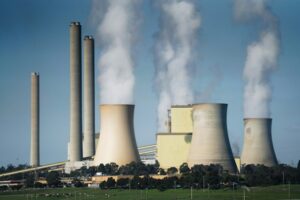
UN WMO data reveals atmospheric CO2 hit a record 426.8 ppm alongside surging methane levels, locking in future warming. Explore the full report breakdown.
Global concentrations of greenhouse gases reached record levels in 2025, committing the planet to further warming, while a powerful El Niño could drive carbon dioxide levels even higher in 2026, according to a new report by the World Meteorological Organisation (WMO). The agency found that carbon dioxide, methane and nitrous oxide all reached unprecedented concentrations in the atmosphere, adding to the heat trapped by human activities. The findings come ahead of the UN climate conference COP31 in Antalya, Türkiye, in November, where governments will face renewed pressure to turn climate commitments into action. The WMO has warned that rising greenhouse gas concentrations are increasing the risks of extreme weather and could affect the climate for decades or centuries to come.
Carbon dioxide and other greenhouse gases reach new highs
The WMO’s latest Greenhouse Gas Bulletin found that the global average concentration of carbon dioxide reached 426.8 ppm, equivalent to 153% of its pre-industrial level in 1750. The concentration increased by 2.8 ppm compared with 2024, exceeding the average annual growth rate of the previous decade. Although the increase was smaller than the exceptional rise recorded between 2023 and 2024, the latest figure represents a substantial addition to the atmosphere’s heat-trapping gases.
Methane and nitrous oxide also reached record concentrations. Methane stood at 1,948 parts per billion, or 267% of its pre-industrial level, while nitrous oxide reached 339.1 parts per billion, 26% above the pre-industrial baseline. These gases have different sources and atmospheric lifetimes, but both contribute to global warming. The WMO emphasised that its measurements track the amount of greenhouse gases accumulating in the atmosphere, rather than the volume of emissions released during a single year. The continued rise shows that natural systems are not absorbing enough of these gases to offset the overall accumulation.
El Niño could slow the planet’s natural carbon absorption
The WMO expects atmospheric carbon dioxide concentrations to increase further in 2026, partly because of continued fossil fuel burning and the development of a powerful El Niño. This naturally occurring climate pattern warms surface waters in the central and eastern tropical Pacific and influences weather patterns around the world. It can bring drier conditions to some regions, affecting vegetation, rainfall and the ability of ecosystems to absorb carbon dioxide.
Land ecosystems and oceans act as natural carbon sinks, absorbing a substantial share of the carbon dioxide released by human activities. However, drought, higher temperatures and wildfires can reduce the amount of carbon absorbed by land ecosystems. The previous strong El Niño in 2023–2024 contributed to drought, drier vegetation and increased wildfire activity, reducing the efficiency of the biosphere as a carbon sink. The WMO warns that similar pressures could affect carbon uptake in 2026, potentially adding to the rise in atmospheric concentrations. The extent of the increase will depend on fossil fuel emissions, the strength of El Niño and the response of natural carbon sinks.
Long-lived gases add to climate risks ahead of COP31
The report also highlights concerns about sulphur hexafluoride (SF6), a greenhouse gas used mainly in electrical equipment. Its atmospheric concentration recorded a record increase in 2025. Although present in much smaller quantities than carbon dioxide, SF6 has a global warming potential approximately 24,300 times that of carbon dioxide over 100 years and can remain in the atmosphere for more than 1,000 years. Its continued accumulation poses a long-term challenge as countries expand electricity networks to support electrification and the energy transition.
The WMO also reported that atmospheric hydrogen concentrations increased by 5.3% between 2010 and 2024. Hydrogen is not itself a greenhouse gas, but leaks from production, transport and storage infrastructure can influence atmospheric chemistry and indirectly contribute to warming. The agency said these risks underline the importance of monitoring emissions and unintended consequences as countries shift towards cleaner energy systems.
The findings will inform discussions at COP31, scheduled for November 9–20 in Antalya, Türkiye. While the expansion of renewable energy and other low-carbon technologies remains essential, the report highlights the need for faster reductions in greenhouse gas emissions alongside careful monitoring of atmospheric changes. El Niño may intensify the challenge by weakening natural carbon absorption, but it does not change the central driver of the long-term rise in greenhouse gases: continued human emissions. Limiting further warming will require sustained cuts in fossil fuel use and stronger action to reduce emissions across energy, industry, agriculture and land use.
References:
https://wmo.int/resources/publication-series/greenhouse-gas-bulletin/no-22
https://wmo.int/themes/el-nino-la-nina-phenomena
https://wmo.int/news/media-centre/greenhouse-gas-levels-once-again-reach-record-high
Banner image: Photo by Billy Joachim on Unsplash
Sections of this article may have been developed with the assistance of artificial intelligence tools to support research, drafting, and language refinement. All information has been reviewed, edited, and verified by the author/editor to ensure accuracy, context, and editorial integrity. The responsibility for the final content, interpretations, and conclusions rests solely with the publisher.