Physical Address
23,24,25 & 26, 2nd Floor, Software Technology Park India, Opp: Garware Stadium,MIDC, Chikalthana, Aurangabad, Maharashtra – 431001 India
Physical Address
23,24,25 & 26, 2nd Floor, Software Technology Park India, Opp: Garware Stadium,MIDC, Chikalthana, Aurangabad, Maharashtra – 431001 India
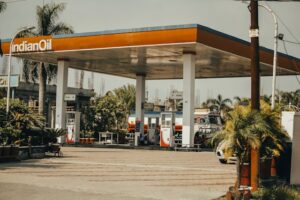
India’s rapid shift to ethanol-blended petrol has placed the country ahead of schedule in meeting its clean fuel goals. By 2025, ethanol blending reached 20%, five years earlier than the National Biofuel Policy’s deadline. The government hails this as a breakthrough for lowering emissions, boosting farmer incomes, and cutting reliance on crude imports. But as E20 petrol makes its way into fuel stations across the country, reactions from vehicle owners, environmentalists, and trade observers reveal a more layered story.
Consumers Voice Concerns on Performance
Since 2023, new vehicles sold in India have carried E20 compatibility labels, and manufacturers have upgraded components like rubber and plastics to withstand higher ethanol content. Yet, many existing car and two-wheeler owners remain unconvinced. A LocalCircles survey covering 36,000 people across 315 districts found that two-thirds of respondents opposed the E20 mandate, with only 12% supporting it. Complaints centred on lower mileage and higher maintenance costs, with some consumers urging that buyers should be allowed a choice between E10 and E20 fuel.
The government admits there is a “marginal drop” in efficiency but insists this can be addressed with better tuning and upgraded materials. Petroleum Minister Hardeep Singh Puri has dismissed public backlash as a “vilification campaign” driven by economic interests. However, NITI Aayog has recommended offering tax breaks on ethanol-blended fuel to offset efficiency losses for consumers. Meanwhile, while the government claims foreign exchange savings of over ₹1.40 lakh crore since 2014-15 through reduced oil imports, critics argue that the benefits have not been meaningfully transferred to end-users, as retail petrol prices have barely moved despite higher dividends for oil PSUs.
Sugarcane Dependence and Environmental Risks
Ethanol supply from sugarcane has grown dramatically, from 40 crore litres in FY14 to nearly 670 crore litres in FY24, supported by government payments of ₹1.20 lakh crore to farmers. However, this dependence raises questions about sustainability. Sugarcane requires 60-70 tonnes of water per tonne of crop, yet many growing regions in Maharashtra and elsewhere fall short of the optimal rainfall range. Groundwater depletion in these districts has been flagged by official reports, adding pressure to already fragile water tables.
With 30% of India’s land already degraded, heavy reliance on water-intensive crops risks worsening land and soil stress. The government has begun diversifying feedstock, allocating 5.2 million tonnes of rice and diverting 34% of corn output to ethanol production in 2024-25. But this shift also forced India to import close to 9.7 lakh tonnes of corn, six times more than the previous year. Analysts warn that without careful planning, the ethanol push could strain food supplies and heighten environmental pressures.
Global Trade Pressures and the EV Transition
India’s expanding ethanol economy has drawn attention abroad, particularly from the United States. The Trump administration has labelled India’s ethanol trade policies as barriers, pressing for market access. Domestic producers, however, fear that relaxing import restrictions would undercut years of investment in local distilleries. The Indian Sugar Mills Association has urged the government to protect the sector from foreign competition.
Meanwhile, the ethanol strategy is also being weighed against the parallel push for electric vehicles. Officials claim ethanol blending has already cut 700 lakh tonnes of carbon dioxide emissions. Yet, experts point out that EVs could achieve far deeper reductions, provided the electricity grid shifts towards renewables. EV adoption in India remains modest at 7.6% of sales in 2024, far behind the U.S., EU, and China. Supply chain vulnerabilities, particularly shortages of rare earth materials, have slowed progress, with automakers like Maruti Suzuki scaling back production plans. As the government debates whether to go beyond the 20% blending mark, India faces a crucial choice: balance its ethanol programme with a more aggressive pivot to electric mobility.
References:
https://www.pib.gov.in/PressReleasePage.aspx?PRID=2155558
https://www.localcircles.com/a/press/page/e20-petrol-survey
https://niti.gov.in/sites/default/files/2025-08/Electric-Vehicles-WEB-LOW-Report.pdf
Banner image:
Photo by Muhammad Shakir on Unsplash