Physical Address
23,24,25 & 26, 2nd Floor, Software Technology Park India, Opp: Garware Stadium,MIDC, Chikalthana, Aurangabad, Maharashtra – 431001 India
Physical Address
23,24,25 & 26, 2nd Floor, Software Technology Park India, Opp: Garware Stadium,MIDC, Chikalthana, Aurangabad, Maharashtra – 431001 India


A powerful surge of hot air originating from the Sahara Desert is set to push temperatures well above normal across large parts of Europe this week, bringing heatwave conditions to several countries. Meteorologists expect the intense heat to spread across much of the continent, with some regions experiencing temperatures more commonly associated with the peak of summer. At the same time, parts of Australia are continuing to experience an unusually mild start to winter, reflecting contrasting yet significant weather patterns occurring across different parts of the globe.
The European heat event has been triggered by a large mass of hot air moving northward from the Sahara. The heat initially settled over the Iberian Peninsula, covering much of Spain and Portugal, before spreading into southern and western France. As a result, temperatures have climbed into the low and mid-30s Celsius across many locations, creating uncomfortable conditions for residents and raising concerns about heat-related impacts.
Forecasts suggest that the heat will continue to intensify and expand across Europe during the week. By midweek, the hot air mass is expected to move further northeast, affecting a broader area of the continent. Countries such as Germany, Italy and Czechia are likely to record maximum temperatures in the mid-30s Celsius by Friday. In several places, these temperatures are projected to be between 9°C and 13°C higher than the average conditions recorded during the 1991–2020 climate period.
Even regions typically associated with milder weather are expected to feel the effects. In the United Kingdom, weather models indicate that periodic plumes of warm continental air could move northward across the English Channel. As a result, temperatures in southern and eastern England may rise into the mid- to high-20s Celsius, bringing a taste of summer heat to areas that have so far experienced more moderate conditions.
Europe Braces for Prolonged Heatwave Conditions
The duration of the heat is one of the key factors attracting attention from meteorologists. In some areas, temperatures are expected to remain in the mid-30s Celsius for up to five consecutive days. Such prolonged periods of unusually high temperatures meet the criteria for a heatwave in several European countries.
Extended heatwaves can have significant impacts on public health, agriculture, energy demand, and water resources. High temperatures increase the risk of heat-related illnesses, particularly among vulnerable populations such as the elderly, children and those with pre-existing health conditions. Farmers may also face challenges related to soil moisture loss and increased water requirements for crops, while electricity demand often rises as households and businesses rely more heavily on cooling systems.
Fortunately, current forecasts suggest that the most intense heat will begin to ease across much of Europe by early next week. However, the event serves as another reminder of the growing frequency of extreme temperature episodes being observed in many parts of the continent. While individual heatwaves are influenced by natural weather patterns, scientists continue to examine how a warming climate may be contributing to the increasing intensity and persistence of such events.
Australia Continues to Experience a Mild Winter
While Europe contends with unusually hot conditions, parts of Australia are experiencing a warmer-than-normal winter. The country’s southeastern regions, including Melbourne, are expected to continue seeing temperatures above seasonal averages as a result of a slow-moving low-pressure system located south of South Australia.
This weather system is drawing warm northerly winds across much of eastern Australia. In addition to bringing gusty conditions, it is helping maintain daytime temperatures that are noticeably higher than what is typically expected during June. Melbourne, for example, is forecast to experience temperatures in the high teens Celsius during the middle of the week, around 3°C to 4°C above the seasonal average.
Night-time temperatures are also expected to remain elevated. Forecasts indicate overnight lows approaching the mid-teens Celsius, which is approximately 5°C to 6°C warmer than normal for this time of year. Although these conditions are not considered extreme, they represent a significant departure from typical winter weather patterns.
Australia’s Bureau of Meteorology has linked the ongoing mild conditions to developing El Niño conditions in the Pacific Ocean. El Niño events are often associated with warmer-than-average temperatures across large parts of Australia and can influence seasonal weather patterns for several months. Meteorologists expect the current trend of above-average winter temperatures to remain a recurring feature during the season.
Together, Europe’s developing heatwave and Australia’s mild winter highlight the dynamic nature of global weather systems. While the two events are occurring in opposite seasons and different hemispheres, both demonstrate how atmospheric patterns can produce significant departures from normal climatic conditions. As communities adapt to increasingly variable weather, understanding these patterns becomes ever more important for planning, preparedness and resilience.
References:
https://pmc.ncbi.nlm.nih.gov/articles/PMC12261509
https://www.bom.gov.au/news-and-media/el-nino-what-it-means-for-australias-climate
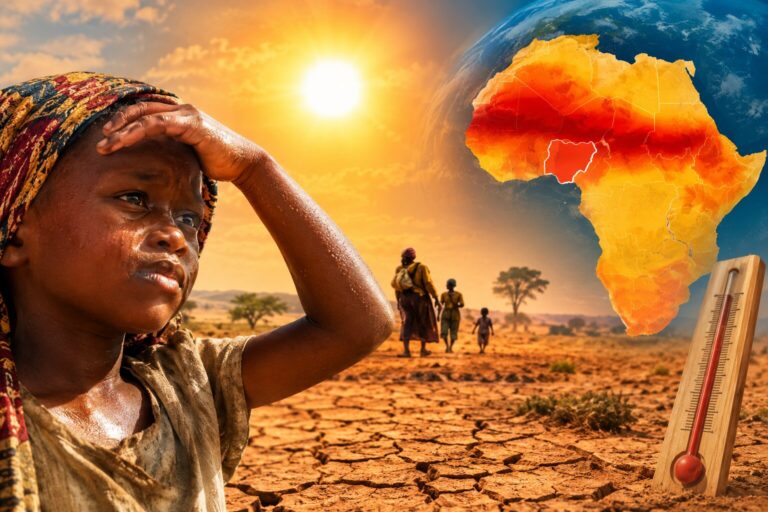
Banner Image: AI Generated
Sections of this article may have been developed with the assistance of artificial intelligence tools to support research, drafting, and language refinement. All information has been reviewed, edited, and verified by the author/editor to ensure accuracy, context, and editorial integrity. The responsibility for the final content, interpretations, and conclusions rests solely with the publisher.