Physical Address
23,24,25 & 26, 2nd Floor, Software Technology Park India, Opp: Garware Stadium,MIDC, Chikalthana, Aurangabad, Maharashtra – 431001 India
Physical Address
23,24,25 & 26, 2nd Floor, Software Technology Park India, Opp: Garware Stadium,MIDC, Chikalthana, Aurangabad, Maharashtra – 431001 India

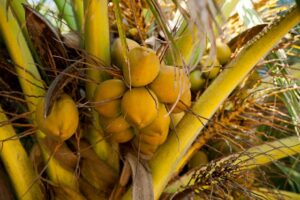
The tender coconut sector in Tamil Nadu’s Pollachi and Anaimalai region, a key supplier of fresh coconuts within India and abroad, is facing an unexpected downturn. In the span of just one month, tender coconut yields have fallen by nearly 40%, and exports have contracted by about 50%, raising concerns among farmers, traders, and market analysts alike.
Unexpected Decline in Production
Traditionally, the tender coconut harvest peaks between October and January. Farmers depend on this window to meet both domestic demand and international orders. This year, however, the seasonal pattern shifted markedly. According to growers, production began earlier as early as September and then tapered off by December, shortening the effective harvesting period.Local growers point to several climatic factors behind this abrupt drop. Excessive monsoon rain, an early harvest cycle, and later extreme winter temperatures collectively stressed the coconut palms, especially the delicate red tender coconut varieties, which are more climate-sensitive.
Exports Hit Hard
Pollachi and Anaimalai have long been significant nodes in the tender coconut export network. Just months ago, exporters were sending out about six lakh (600,000) tender coconuts per day to markets in other Indian states and overseas. But recent figures show this has halved to approximately three lakh per day, with projections suggesting it could drop even further to two lakh per day in early 2026.This steep decline in exports not only reduces income for farmers but also weakens the region’s competitiveness on the global stage. For many growers who invested in export-oriented cultivation, the current downturn is both surprising and financially stressful.
Market Prices on the Move
The production slump has already begun influencing market prices. Last year, wholesale rates for tender coconuts occasionally touched ₹47 per piece — comparatively high for the region. Already this season, prices range around ₹29 per count and roughly ₹12,000 per tonne, with some local markets such as Sathyamangalam, Thalavadi, and Mathur reporting supply shortfalls that push prices above ₹30 per unit.If yields continue to decline, analysts warn that prices could remain elevated or even reach new highs in the approaching summer months — traditionally a peak consumption period for tender coconut water.
Mature Coconuts Less Affected
Interestingly, while the tender coconut segment is uniquely impacted, mature coconuts have not seen the same dramatic production loss. Farmers note that conditions affecting the tender nut yield have had a relatively smaller effect on mature coconuts, which are primarily used for copra, oil, and raw consumption. However, mature coconut prices have still fallen compared to their peak currently around ₹55 per kilo versus up to ₹75 per kilo seen last year.
Geographical Variation in Yields
Within the broader Coimbatore district, the yield decline has not been uniform. Regions closer to Pollachi and Anaimalai up to Udumalpet maintained comparatively better output. By contrast, areas north of the district, especially around Mettupalayam, experienced significant drops due to prolonged monsoon rains that began late April and stretched into July.These variations underscore how localized weather impacts can ripple through entire agricultural systems, even when broader climatic trends appear normal.
Challenges Beyond Weather
While climate patterns are a central factor this season, Tamil Nadu’s coconut belts have also been coping with persistent biological stresses. For example, increasing incidents of whitefly infestations — tiny pests that damage coconut leaves and stunt tree growth, have been reported, with farmers struggling to find effective, sustainable control methods.
Diseases like root wilt and other fungal infections have also emerged in recent years, further pressuring coconut trees already strained by erratic rain and temperature changes. These compounding issues highlight a broader set of challenges facing coconut cultivation beyond immediate weather events.
Looking Ahead
For farmers in Pollachi and Anaimalai, the tender coconut downturn represents both an economic and ecological challenge. Many are advocating for improved agricultural supports including weather-resilient farming techniques, better pest and disease management tools, and strengthened access to export markets.
With India’s coconut industry crucial for rural livelihoods and urban consumption alike, stabilizing production and addressing the root causes of yield variability will be essential to ensure the sector’s resilience in coming years.
References:
https://cpcri.gov.in/filemgr/webfs/publication/CPCRIAR2024.pdf
Banner Image: Photo on Pexels by Atlantic Ambiance
Sections of this article may have been developed with the assistance of artificial intelligence tools to support research, drafting and language refinement. All information has been reviewed, edited and verified by the author/editor to ensure accuracy, context and editorial integrity. The responsibility for the final content, interpretations and conclusions rests solely with the publisher.