Physical Address
23,24,25 & 26, 2nd Floor, Software Technology Park India, Opp: Garware Stadium,MIDC, Chikalthana, Aurangabad, Maharashtra – 431001 India
Physical Address
23,24,25 & 26, 2nd Floor, Software Technology Park India, Opp: Garware Stadium,MIDC, Chikalthana, Aurangabad, Maharashtra – 431001 India

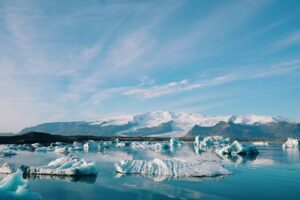
The unprecedented heatwave sweeping across Europe has once again highlighted the accelerating impacts of climate change, with Switzerland’s glaciers experiencing one of the fastest melting episodes in recorded history. Scientists have warned that the country is likely to reach its annual glacier loss day by the end of June; one of the earliest dates ever observed. This milestone marks the point when all the snow accumulated over the winter has melted away, leaving the permanent glacier ice exposed to direct melting for the rest of the summer. Such an early glacier loss day reflects the combined impact of rising global temperatures, reduced snowfall, and extreme weather events that are reshaping mountain ecosystems at an unprecedented pace.
Switzerland is home to nearly half of the glacier volume in the Alps, making it one of the world’s most closely monitored mountain regions. These glaciers are more than frozen landscapes; they function as natural freshwater reservoirs that sustain rivers, agriculture, hydropower generation, biodiversity, and millions of people across Europe. Their rapid retreat therefore has profound implications for water security, disaster risk, ecosystems, and global sea levels.
Heatwave and Climatic Factors Driving Rapid Glacier Melt
According to the Swiss Glacier Monitoring Network (GLAMOS), glaciers are currently losing snow and ice at an exceptionally rapid rate due to persistent high temperatures across Europe. The ongoing heatwave has pushed daytime temperatures well above seasonal averages, accelerating the melting of the winter snowpack. Once this seasonal snow disappears, the darker glacier ice underneath becomes exposed and absorbs significantly more solar radiation, leading to even faster melting.
Another major reason behind this accelerated loss is the relatively poor snowfall during the previous winter. Snow serves as a protective blanket over glaciers by reflecting much of the incoming sunlight back into the atmosphere. A thinner snow cover melts earlier in the season, exposing glacier ice weeks ahead of the normal schedule. Consequently, glaciers remain vulnerable to melting for a longer duration each summer.
Adding to the problem is the deposition of dust carried from the Sahara Desert. Fine dust particles settle on the snow surface, reducing its reflectivity, a phenomenon known as reduced albedo. Instead of reflecting sunlight, the dust-covered snow absorbs more heat, hastening the melting process. Scientists describe the combination of intense heat, below-average snowfall, and Saharan dust as a “perfect storm” that has dramatically accelerated glacier retreat this year.
The anticipated glacier loss day around 29 June would be the second-earliest on record, surpassed only by the extraordinary melt season of 2022. The recurrence of such early melting events demonstrates that climate extremes are no longer isolated incidents but are becoming increasingly frequent as global temperatures continue to rise.
The visible consequences are already emerging across the Alps. Retreating glaciers expose unstable rock surfaces that were previously held together by ice, increasing the risk of landslides, rockfalls, and glacial lake outburst floods. At the same time, thawing permafrost weakens mountain slopes, posing risks to settlements, roads, railways, tourism infrastructure, and mountaineering routes.
Implications Beyond the Alps and the Need for Climate Action
The disappearance of Swiss glaciers carries consequences that extend well beyond mountain regions. Glaciers act as vital freshwater reserves, gradually releasing meltwater during summer months when rainfall is limited. This water supports agriculture, industries, drinking water supplies, and hydropower production across several European countries. While increased melting may temporarily boost river flows, the long-term decline in glacier volume will eventually reduce water availability, making droughts more severe and affecting millions of people dependent on glacier-fed rivers.
The ecological impacts are equally significant. Alpine ecosystems are highly sensitive to temperature changes, and many plant and animal species have evolved under cold climatic conditions. As glaciers shrink and temperatures rise, habitats are shifting uphill, increasing competition among species and threatening biodiversity. Cold-water rivers and streams fed by glaciers also face warming, affecting aquatic ecosystems and freshwater biodiversity.
Globally, mountain glaciers are among the largest contributors to present-day sea-level rise. Although they contain less ice than the Greenland and Antarctic ice sheets, their rapid melting adds substantial volumes of freshwater to the oceans each year. Rising sea levels threaten coastal communities, increase the risk of flooding, accelerate shoreline erosion, and intensify the impacts of storm surges worldwide.
Scientists stress that the current situation is consistent with long-term climate trends driven primarily by human-induced greenhouse gas emissions. Increasing concentrations of carbon dioxide and other greenhouse gases have raised global average temperatures, making heatwaves more frequent, more intense, and longer lasting. Successive years of extreme heat leave glaciers with insufficient time to recover during winter, resulting in cumulative losses that may become irreversible over the coming decades.
Addressing this challenge requires both mitigation and adaptation. Reducing greenhouse gas emissions through greater adoption of renewable energy, improved energy efficiency, sustainable transport, and stronger implementation of international climate commitments remains the most effective long-term strategy to slow glacier loss. At the same time, countries must invest in glacier monitoring, early warning systems for glacial hazards, climate-resilient infrastructure, and integrated water resource management to prepare for the unavoidable impacts of a warming world.
The rapid melting of Swiss glaciers is not merely an environmental concern confined to the Alps; it is a global warning that the impacts of climate change are intensifying. As heatwaves become more frequent and glaciers continue to retreat, the world faces growing challenges related to water security, disaster management, biodiversity conservation, and sea-level rise. Protecting these fragile mountain ecosystems will require urgent, coordinated, and sustained global action to limit warming while strengthening resilience against the climate risks that are already unfolding.
References:
https://pmc.ncbi.nlm.nih.gov/articles/PMC12404989
Banner Image: Photo on Pexels by Yen Nguyen
Sections of this article may have been developed with the assistance of artificial intelligence tools to support research, drafting and language refinement. All information has been reviewed, edited and verified by the author/editor to ensure accuracy, context and editorial integrity. The responsibility for the final content, interpretations and conclusions rests solely with the publisher.