Physical Address
23,24,25 & 26, 2nd Floor, Software Technology Park India, Opp: Garware Stadium,MIDC, Chikalthana, Aurangabad, Maharashtra – 431001 India
Physical Address
23,24,25 & 26, 2nd Floor, Software Technology Park India, Opp: Garware Stadium,MIDC, Chikalthana, Aurangabad, Maharashtra – 431001 India

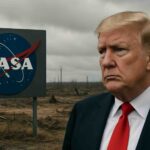
In the wake of a controversial decision by Donald Trump’s administration to terminate all contributors to the National Climate Assessment (NCA), two of America’s leading scientific societies have launched an initiative to keep the country’s climate research infrastructure alive. The American Geophysical Union (AGU) and the American Meteorological Society (AMS) call on researchers to submit papers and reports that would have otherwise informed the NCA. This congressionally mandated process evaluates climate change impacts on the US. This rapid response from the academic community aims to ensure that vital climate knowledge continues to guide national policy, business decisions, and local preparedness, despite political efforts to undermine it.
A Sudden Disruption to a Crucial Climate Tool
The National Climate Assessment has served as the cornerstone of US climate policy since its inception, compiling input from hundreds of scientists to document and project the effects of climate change across the country. The decision to fire the entire contributing staff has left a massive gap in the climate knowledge pipeline, jeopardising efforts to assess risk, plan mitigation, and inform legislation.
Without a fully staffed NCA, key analyses, such as the impacts of rising temperatures on agriculture, infrastructure, and public health, face indefinite delays or abandonment. In response, AGU and AMS are stepping in to sustain the flow of critical scientific information, reinforcing the role of independent research institutions in the face of governmental withdrawal.
A Parallel Effort to Preserve Scientific Integrity
The AGU and AMS are now collecting and publishing peer-reviewed studies that would have contributed to the NCA, offering an alternative path to continue evaluating climate risks. This work won’t be officially part of the national assessment but will be a vital shadow effort to keep the science moving forward.
AGU President Brandon Jones addressed the significance of this effort, stating: “It’s incumbent on us to ensure our communities, neighbours, and children are all protected and prepared for the mounting risks of climate change.” AMS President David J. Stensrud echoed this urgency: “Maintaining continuity in the U.S. climate assessment process is vital for ensuring that decisions by policy makers, businesses, and individuals are based on sound science.”
The Stakes for Policy, Litigation, and Public Trust
The NCA has been more than just a scientific document; it has helped drive local resilience strategies, inform climate litigation, and shape regulations. Its absence could weaken legal cases against polluters and stall efforts by cities and states to prepare for worsening climate impacts. AGU and AMS preserve the scientific evidence underpinning these wider applications by stepping into the void.
In recent years, NCA reports have been used in lawsuits seeking accountability from fossil fuel companies, making them a target for political rollback. The urgency behind this academic push is not just about preserving knowledge; it’s about protecting the tools of climate accountability.
A Broader Signal of Resilience in the Scientific Community
This episode highlights a growing trend: academic and civil society actors step up when political systems fail to support climate science. The AGU and AMS’s rapid response sends a strong message to both domestic and international observers—that American scientists remain committed to truth and transparency, even amid institutional hostility.
It also underscores how interconnected global climate progress has become. As the US continues to play a central role in international negotiations and emissions reductions, the credibility and availability of its climate data matter far beyond its borders. With their intervention, AGU and AMS are helping to ensure that scientific momentum isn’t sacrificed to short-term political agendas.
References:
Banner image:
Photo by Mark König on Unsplash