Physical Address
23,24,25 & 26, 2nd Floor, Software Technology Park India, Opp: Garware Stadium,MIDC, Chikalthana, Aurangabad, Maharashtra – 431001 India
Physical Address
23,24,25 & 26, 2nd Floor, Software Technology Park India, Opp: Garware Stadium,MIDC, Chikalthana, Aurangabad, Maharashtra – 431001 India


Meghalaya water crisis is worsening despite heavy rainfall. Learn how erratic monsoons, rapid runoff and weak storage are making the state run dry.
Meghalaya, widely known as the “Abode of the Clouds”, is facing an unusual water crisis. A state associated with some of the heaviest rainfall on Earth has recorded India’s highest rainfall deficit this monsoon, raising concerns about farming, drinking water and the reliability of its natural water sources.
As of September 15, 2026, Meghalaya had received 59 per cent less rainfall than normal, according to the report. Ten of the state’s 11 districts recorded deficient or large deficient rainfall. West Jaintia Hills experienced a shortfall of 79 per cent, while East Khasi Hills, home to Mawsynram and Cherrapunji, recorded 53 per cent less rainfall than normal. The numbers are particularly striking because Meghalaya’s identity and ecology are closely linked to the monsoon. But the state’s dependence on rain also exposes a basic vulnerability: receiving large amounts of rainfall over a year does not guarantee that water will be available when communities need it.
Why a Dry Monsoon Matters in One of India’s Wettest States
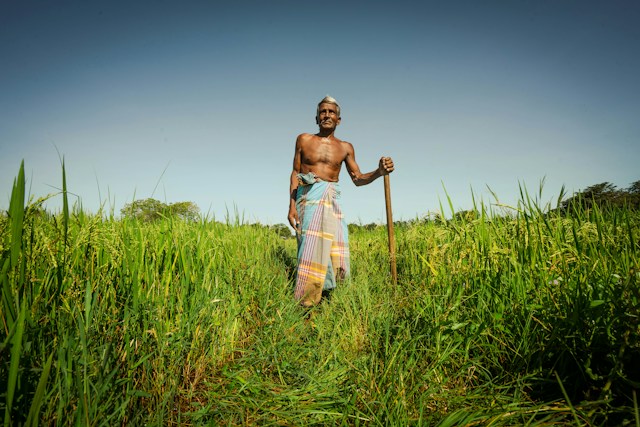
Rainfall in Meghalaya is not simply a matter of weather records. It supports agricultural activities, replenishes springs and sustains water sources used by rural communities. According to a Meghalaya Basin Development Authority paper, around 80 per cent of villages depend heavily on springs for drinking water and irrigation.
When monsoon rainfall falls below normal, these communities can face pressure on both their water supply and agricultural systems. A prolonged deficit may reduce the flow of springs and streams, affect soil moisture and make it more difficult for farmers to plan cultivation. The consequences can extend beyond the immediate monsoon season. Water availability depends on how much rain enters the soil, replenishes groundwater and sustains streams, rather than simply the total amount recorded during a few heavy showers. This distinction is important in regions where local communities depend on natural water systems.
Meghalaya’s current rainfall deficit also raises questions about whether the state is experiencing a temporary seasonal disruption or a broader change in rainfall patterns.
Beyond a Single Season: What the Long-Term Trend Shows
The rainfall deficit recorded in 2026 should not automatically be interpreted as proof that climate change alone caused the shortfall. Monsoon rainfall is influenced by several factors, including atmospheric circulation, ocean temperatures, regional weather systems and natural variability.
However, the report points to a longer-term concern. An analysis by the India Meteorological Department found a significant declining trend in Meghalaya’s monsoon rainfall between 1989 and 2018. This does not establish that every year will be drier or that every rainfall deficit is directly caused by global warming. It does indicate that changes in rainfall patterns deserve closer examination, particularly in a state whose communities rely heavily on natural water sources.
The distinction between rainfall quantity and rainfall distribution is equally important. A region can experience intense rainfall events while still facing prolonged dry periods between them. Heavy rain falling over a short period may generate runoff and flooding without adequately replenishing water sources or supporting crops throughout the season. For Meghalaya, this creates a need to look beyond annual rainfall totals. Monitoring spring discharge, stream flows, soil moisture and district-level rainfall patterns could help communities and authorities identify emerging water stress.
Water management will also become increasingly important. Protecting catchments, improving rainwater harvesting, maintaining springs and strengthening local water storage can help reduce dependence on unpredictable rainfall. These measures cannot guarantee water security during prolonged deficits, but they can improve preparedness and reduce vulnerability. Meghalaya’s situation offers a broader lesson for climate adaptation in India. A place known for abundant rainfall is not necessarily protected from water scarcity. Water security depends on when rain falls, how it is stored, how landscapes absorb it and how communities manage the available supply.
The immediate rainfall deficit is a seasonal concern, while the reported long-term decline in monsoon rainfall calls for continued scientific investigation. Understanding how these factors interact will be essential for planning agriculture, protecting water sources and preparing communities for a more uncertain rainfall future.
https://www.sciencedirect.com/science/article/pii/S0140196325001508
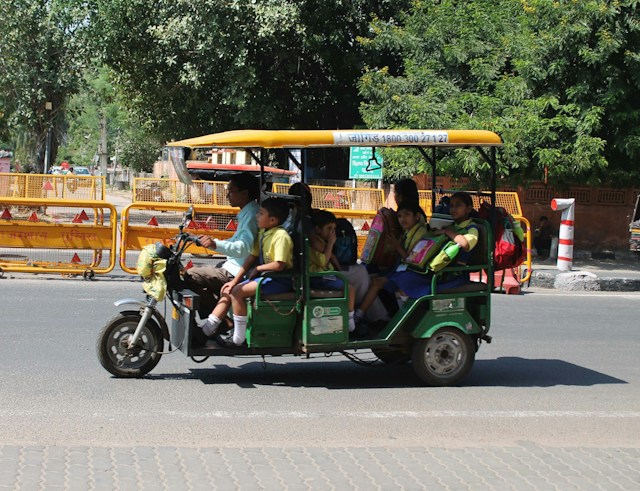
Banner Image: Photo on Pexels by Shobhit bajpai
Sections of this article may have been developed with the assistance of artificial intelligence tools to support research, drafting, and language refinement. All information has been reviewed, edited, and verified by the author/editor to ensure accuracy, context, and editorial integrity. The responsibility for the final content, interpretations, and conclusions rests solely with the publisher.