Physical Address
23,24,25 & 26, 2nd Floor, Software Technology Park India, Opp: Garware Stadium,MIDC, Chikalthana, Aurangabad, Maharashtra – 431001 India
Physical Address
23,24,25 & 26, 2nd Floor, Software Technology Park India, Opp: Garware Stadium,MIDC, Chikalthana, Aurangabad, Maharashtra – 431001 India

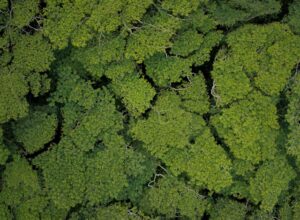
Nearly four-fifths of the world’s tropical forests have become fragmented over the last 20 years due to human activity, according to a new study. Researchers found that continuous stretches of dense green cover have been broken into smaller, disconnected patches, threatening biodiversity and weakening the ecological functions that forests provide.
How Tropical Forests Are Being Broken Apart
Forest fragmentation refers to the division of large, continuous forest blocks into smaller, isolated sections. This does not always mean a complete loss of tree cover, but rather a change in the structure and connectivity of forests. As large patches shrink or split, the quality of the habitat deteriorates. The edges of forest areas are more exposed to heat, dryness, and human disturbance, making them less suitable for many species.
The study, which measured fragmentation using several indices, shows that tropical regions are the most heavily affected, with nearly 80% of their forests now fragmented. Globally, between 51% and 67% of forests have experienced similar changes. The drivers vary across regions, but human land use is at the core of the problem.
Drivers of Fragmentation Across Regions
In tropical forests, shifting agriculture is the primary cause, accounting for approximately 61% of fragmentation. This practice, which involves clearing land for temporary farming before moving to new areas, disrupts large landscapes and prevents forests from recovering fully. In temperate zones, forestry operations such as logging account for the majority of forest break-up, with 81% of fragmentation linked to this activity.
The boreal forests of the north present a different picture, where natural and human-driven disturbances combine. Wildfires are the single most significant cause of fragmentation in these regions, accounting for approximately 62%, while forestry activities contribute 38%. These figures highlight that, although the pressures vary, the outcome remains consistent: continuous forests are becoming fragmented ecosystems.
Protected Areas Offer a Shield
The research also shows that protected areas are playing a crucial role in limiting fragmentation. Tropical regions with strict protection recorded about 82% less fragmentation compared with unprotected forests. Even areas with looser protection measures showed a 45% reduction. Activities such as shifting agriculture and forestry were significantly lower in these protected spaces, offering a degree of resilience to forest landscapes.
Another important finding is that most of the fragmentation is not caused by permanent conversion, such as urban expansion or mining. Only around 15% of the fragmentation globally was linked to these irreversible changes. Instead, the majority came from transitional activities such as shifting agriculture, selective logging, and fires. While damaging, these disruptions leave open some possibilities for restoration and recovery if they are managed appropriately.
Why Fragmentation Matters and What Needs to Change
Fragmentation has severe ecological consequences. Large mammals, birds and other species often need uninterrupted forest corridors to survive, but isolated patches make movement difficult and reduce genetic diversity. Forest edges, which expand as fragmentation increases, also change the microclimate, making habitats hotter and drier and less capable of supporting sensitive species.
The findings make clear the urgent need to strengthen forest protection and restoration efforts. Expanding the reach of protected areas, as outlined in global biodiversity goals such as the 30×30 target, could help safeguard what remains of intact tropical forests. At the same time, addressing the drivers of fragmentation requires more effective land use policies, support for sustainable farming practices, and stricter regulation of forestry operations. Without decisive steps, the ecological heart of the tropics could continue to be broken into pieces too small to sustain life.
References:
https://www.science.org/doi/10.1126/science.adr6450
Photo by Michael Olsen on Unsplash