Physical Address
23,24,25 & 26, 2nd Floor, Software Technology Park India, Opp: Garware Stadium,MIDC, Chikalthana, Aurangabad, Maharashtra – 431001 India
Physical Address
23,24,25 & 26, 2nd Floor, Software Technology Park India, Opp: Garware Stadium,MIDC, Chikalthana, Aurangabad, Maharashtra – 431001 India
For years, global health agencies believed malaria was on a slow, uneven retreat. Deaths were falling, prevention tools were improving, and decades of research had begun to pay off. But climate change is quietly reshaping that story. Rising temperatures, heavier rains, floods, and longer wet seasons are altering how, when, and where malaria spreads. A new study published in Nature adds to growing evidence that climate change is not only sustaining malaria in high-risk regions but creating conditions for its resurgence, especially in parts of Africa already stretched by poverty and fragile health systems.
Climate Change Is Reshaping Where and When Malaria Strikes
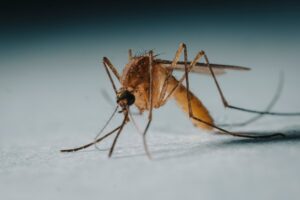
Malaria transmission has always depended on the climate. Mosquitoes thrive in warm, wet conditions, and the malaria parasite develops faster at higher temperatures. What is changing now is the pace and unpredictability of those conditions. The Nature study finds that climate change is shifting malaria risk beyond traditional seasonal patterns, extending transmission periods and increasing exposure in regions that once experienced more stable cycles.
According to the World Health Organisation, there were an estimated 249 million malaria cases globally in 2022, with Africa accounting for about 94% of infections and deaths. Climate trends suggest those numbers may become harder to control. Warmer nights allow mosquitoes to survive longer. Heavier rainfall creates standing water in unexpected places. In some regions, malaria seasons are starting earlier and ending later, increasing the chances of infection even where control efforts remain in place.
How Extreme Weather Is Undoing Years of Progress Against Malaria
The Nature study highlights an often overlooked driver of malaria risk: extreme weather events. Floods, cyclones, and prolonged heat waves are proving more disruptive than gradual warming. These events damage clinics, wash away insecticide spraying gains, and interrupt access to treatment. In many cases, outbreaks follow not because mosquitoes multiply instantly but because health systems fail at critical moments.
Evidence from the WHO and humanitarian agencies shows that malaria spikes often follow climate disasters. Flooding in parts of East and Southern Africa has repeatedly led to local surges in cases as communities are displaced and clean water becomes scarce. During emergencies, routine prevention efforts such as bed net distribution and indoor spraying are often delayed or halted. Even short disruptions can undo years of steady progress in malaria control.
Based on the study’s projections, these disruptions could carry a high human cost. Climate change is linked to more than 120 million additional malaria cases and around half a million extra deaths in Africa by 2050 if current prevention and treatment efforts remain at today’s levels. Crucially, the majority of this increase is tied not to gradual warming alone, but to extreme weather events. Floods, cyclones, and prolonged heat are expected to account for nearly four-fifths of additional cases and more than nine-tenths of extra deaths, largely by interrupting healthcare delivery and disease control programmes.
Why Climate-Driven Malaria Hits Africa the Hardest
Africa’s heavy malaria burden is not simply a matter of geography. It reflects deep structural inequalities. Many countries facing the highest malaria risks are also among the most vulnerable to climate shocks. Weak housing, limited healthcare access, underfunded public health systems, and food insecurity all increase exposure to both climate stress and disease.
The Intergovernmental Panel on Climate Change has repeatedly warned that Africa is warming faster than the global average and experiencing more frequent extreme weather events. At the same time, adaptation funding remains limited. The Nature study places climate-driven malaria risk firmly within this reality, showing how climate change acts as a force that multiplies existing challenges rather than creating new ones from scratch. Children under five and pregnant women remain the most at risk, accounting for the majority of malaria deaths across the continent.
The Race to Adapt as the Climate Continues to Change
The science also points to ways forward. Climate-informed malaria surveillance is emerging as a critical tool. By combining weather data with disease monitoring, health agencies can anticipate outbreaks and respond earlier. Some countries are already experimenting with early warning systems that link rainfall forecasts with malaria prevention campaigns.
Yet adaptation has limits without sustained investment. WHO estimates that global malaria funding remains billions of dollars short of what is needed each year. As climate risks grow, malaria control will increasingly depend on stronger health systems that can withstand floods, heat, and displacement. The challenge is no longer just about killing mosquitoes. It is about preparing societies to manage disease in a warmer and more unstable world.
Malaria was once seen as a disease that science and persistence could eventually defeat. Climate change has complicated that vision. The findings in Nature do not suggest malaria control is doomed, but they do make one thing clear. Without climate-resilient health systems and sustained global support, gains against malaria will remain fragile. In a warming world, progress can no longer be taken for granted.
References:
Projected impacts of climate change on malaria in Africa | Nature
Climate change could lead to 500,000 ‘additional’ malaria deaths in Africa by 2050 – Carbon Brief
Poverty and malaria are linked. Can we tackle them together?.
Chapter 9: Africa | Climate Change 2022: Impacts, Adaptation and Vulnerability
Banner image: Photo by Rapha Wilde on Unsplash
Sections of this article may have been developed with the assistance of artificial intelligence tools to support research, drafting and language refinement. All information has been reviewed, edited and verified by the author/editor to ensure accuracy, context and editorial integrity. The responsibility for the final content, interpretations and conclusions rests solely with the publisher.