Physical Address
23,24,25 & 26, 2nd Floor, Software Technology Park India, Opp: Garware Stadium,MIDC, Chikalthana, Aurangabad, Maharashtra – 431001 India
Physical Address
23,24,25 & 26, 2nd Floor, Software Technology Park India, Opp: Garware Stadium,MIDC, Chikalthana, Aurangabad, Maharashtra – 431001 India
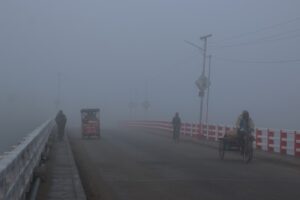
India’s Union Budget for the fiscal year 2026-27 has cut allocations for key air quality and pollution control programmes even as air pollution remains a major public health problem in many cities. Documents tabled in the Lok Sabha on February 1 show that the money earmarked for air quality management and central pollution control boards under the Union Ministry of Environment, Forest and Climate Change has dipped compared with last year’s budget estimates. Environmental advocates say this sends a concerning signal at a time when cities like Delhi-NCR continue to struggle with hazardous air levels.
While the overall budget for the ministry has risen compared with the previous year’s figures, the specific funds for the Commission for Air Quality Management and the Central Pollution Control Board have fallen under the budget estimates. The reductions raise questions about the government’s priorities in tackling what experts describe as an ongoing crisis with far-reaching health and economic implications.
Key Air Quality and Pollution Control Allocations Fall
Under the new budget, the money allocated to the Commission for Air Quality Management, which plays a central role in coordinating air pollution action plans in metropolitan regions, stands at approximately Rs 35.26 crore. This represents a nearly 10 per cent drop from the Rs 38.98 crore set aside in the previous year’s budget estimates for 2025-26. Although the new figure is higher than last year’s revised estimate, the year-on-year fall in planned spending reflects tighter resources for air quality planning.
Similarly, the Central Pollution Control Board, which is tasked with setting air and water quality standards, received an allocation of about Rs 123 crore in the 2026-27 budget. This is a marginal decrease from the Rs 123 crore in last year’s budget estimates, although it is still above the revised estimate for 2025-26. The slight dip in funding for these agencies suggests a more cautious approach to pollution control financing relative to other parts of the environment ministry’s portfolio.
Overall Ministry Funding Grows, but Priorities Shift
Despite the reductions in air and pollution control outlays, the ministry’s overall allocation has risen. The Union Environment Ministry has been earmarked approximately Rs 3,759.46 crore for 2026-27, up around 10 per cent from the previous year’s budget estimate. This broader increase reflects enhanced spending across some environmental and conservation sectors, even as specific air quality programmes lose ground in the budget arithmetic.
However, the distribution of these funds indicates a shift in emphasis. Wildlife conservation, biodiversity efforts and afforestation programmes saw significant increases from their revised estimates for the previous year. For example, flagship initiatives like Project Tiger and Project Elephant received about Rs 290 crore combined, nearly doubling their revised allocations. Similarly, funding for biodiversity conservation and the Green India Mission also rose sharply, pointing to stronger support for forest and wildlife priorities under the ministry.
Implications for Air Quality Management and Public Health
The drop in air quality management funding has drawn concern from environmental experts, who note that many of India’s cities continue to record unhealthy pollution levels for long stretches of the year. Air pollution is linked to respiratory illnesses and other serious health issues, particularly among children and older adults, and sustained investment in monitoring, enforcement and clean air actions remains critical for reducing exposure in urban centres.
Critics argue that reducing planned spending for regulation and enforcement could slow progress on programmes designed to curb emissions, expand air quality monitoring networks, and implement clean air action plans. As annual budget allocations shape the scope of work for pollution control boards and coordinating agencies, the funding dip may make it harder to respond effectively to recurring seasonal smog and other air quality emergencies across the Indo-Gangetic Plains and beyond.
References:
Banner image: Photo by Azharul Islam Mollah on Unsplash
Sections of this article may have been developed with the assistance of artificial intelligence tools to support research, drafting and language refinement. All information has been reviewed, edited and verified by the author/editor to ensure accuracy, context and editorial integrity. The responsibility for the final content, interpretations and conclusions rests solely with the publisher.