Physical Address
23,24,25 & 26, 2nd Floor, Software Technology Park India, Opp: Garware Stadium,MIDC, Chikalthana, Aurangabad, Maharashtra – 431001 India
Physical Address
23,24,25 & 26, 2nd Floor, Software Technology Park India, Opp: Garware Stadium,MIDC, Chikalthana, Aurangabad, Maharashtra – 431001 India
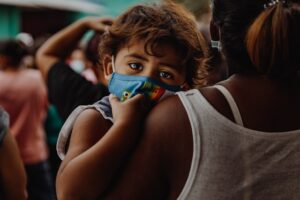
A recent report from the American Lung Association (ALA) reveals a troubling surge in air pollution across the United States, with nearly 156 million people, almost half the population, now living in areas with unhealthy levels of soot (PM2.5) and smog (ozone). This marks a 16% increase from the previous year and represents the highest number recorded in a decade. The rise is attributed to factors such as worsening climate conditions, including extreme heat and wildfires, as well as regulatory rollbacks that have weakened environmental protections.
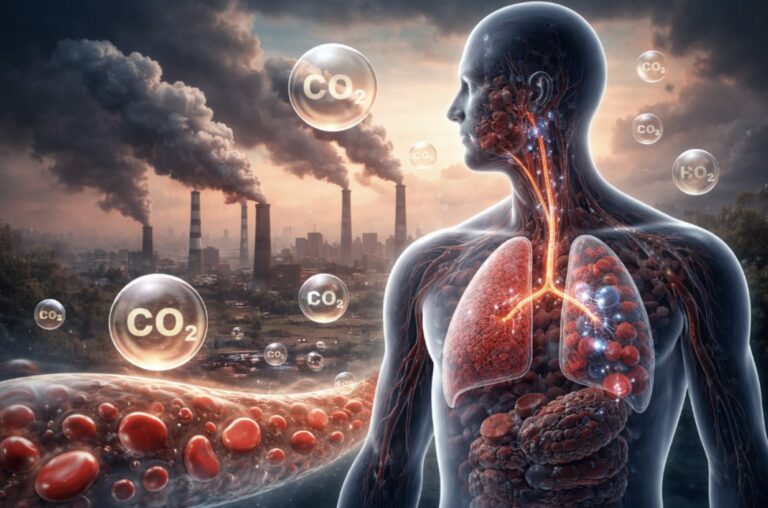
The health implications are significant, as exposure to these pollutants is linked to severe conditions like asthma, heart attacks, strokes, and lung cancer. Communities of colour are disproportionately affected, with Latino Americans three times more likely to breathe both pollutants. The annual state of the air report also highlights that only Bangor, Maine, and San Juan, Puerto Rico, were found to have clean air with no pollution spikes.
Climate Change and Policy Decisions Fueling Pollution
The increase in air pollution is closely tied to climate change, which has led to more frequent and intense wildfires and heat waves. These events contribute to higher levels of soot and smog, particularly in the western United States. For instance, the smoke-filled summer of 2023, when Canadian wildfires blanketed parts of the United States, contributed to the pollution levels recorded in the ALA’s latest analysis.
Policy decisions have also played a role. Regulatory rollbacks under the Trump administration have weakened the Environmental Protection Agency’s (EPA) enforcement and oversight capabilities. Funding and staffing cuts have further reduced the EPA’s capacity to monitor air quality, impacting 73 million people living in unmonitored areas.
Disproportionate Impact on Vulnerable Communities
Air pollution does not affect all communities equally. Historically marginalised groups, particularly communities of colour, bear a heavier burden. Black Americans, for example, are exposed to 38% more polluted air than white Americans, and Black children are five times more likely to be hospitalised due to asthma.
These disparities are rooted in decades of discriminatory policies, such as the placement of highways and industrial facilities in predominantly Black neighbourhoods. As air quality continues to decline, these communities face increased health risks and limited access to resources, such as air purifiers and high-quality filtration systems.
The Path Forward: Mitigation and Adaptation
Addressing the air pollution crisis requires a multifaceted approach. Experts advocate for stronger environmental regulations, investment in clean energy, and targeted efforts to reduce emissions from primary sources, such as transportation and industry. Implementing net-zero policies could significantly reduce air pollution, potentially saving between 4,000 and 15,000 lives annually by 2035.
Public awareness and community engagement are also crucial. Educating residents about the health risks of air pollution and promoting actions to reduce exposure can empower individuals and communities to take action. Moreover, ensuring that vulnerable populations have access to clean air resources and healthcare services is essential for mitigating the impact of pollution.
References:
State of the Air | American Lung Association
Air Quality Facts | State of the Air | American Lung Association
How climate policies reduce air pollution, saving lives and money
Banner image:
Photo by Taylor Brandon on Unsplash

Comments are closed.




7e75gk