Physical Address
23,24,25 & 26, 2nd Floor, Software Technology Park India, Opp: Garware Stadium,MIDC, Chikalthana, Aurangabad, Maharashtra – 431001 India
Physical Address
23,24,25 & 26, 2nd Floor, Software Technology Park India, Opp: Garware Stadium,MIDC, Chikalthana, Aurangabad, Maharashtra – 431001 India

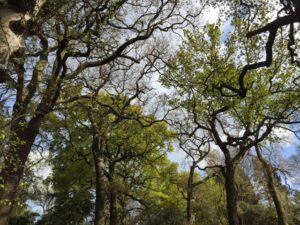
The recent spell of extreme heat across the United Kingdom has not only affected people but also put immense pressure on the country’s trees. In the past week alone, a tree crashed onto a bowling green, narrowly missing a group of players, while another mature tree fell onto the home of a Member of Parliament. These incidents have prompted experts to examine whether soaring temperatures are making trees more vulnerable to falling.
Scientists say the answer is more complex than it may appear. While healthy trees are naturally resilient, prolonged periods of intense heat and dry weather can leave them severely stressed, increasing the likelihood of branches snapping unexpectedly and, in some cases, entire trees collapsing.
How Heatwaves Weaken Trees
Trees constantly lose water through their leaves in a natural process called transpiration. Under normal conditions, this water is replaced by moisture absorbed from the soil through their roots. However, during prolonged heatwaves, especially when rainfall is scarce, trees begin losing water faster than they can replenish it.
This imbalance creates what scientists call water stress. As moisture levels decline, vital biological processes inside the tree start to slow down. Everything from cellular activity to nutrient transport is affected, making it harder for trees to repair damage, grow normally and maintain their structural strength.
Researchers have found that even a heatwave lasting just three days can cause measurable damage to tree populations. According to Dr Anna Gardner, a research fellow at the University of Birmingham’s Institute of Forest Research, prolonged hot and dry conditions force trees into survival mode as they struggle to replace the water lost through their leaves.
One visible consequence of this stress is an increased risk of “sudden branch drop syndrome” that is a phenomenon in which large branches fall without warning, often during periods of extreme heat. Although scientists are still investigating the exact causes, heat-related water stress is considered a major contributing factor.
Recognising the potential danger, some local councils in the UK have advised people to avoid gathering beneath large trees for shade during the current heatwave, as weakened branches may break unexpectedly.
Preparing Britain’s Trees for a Hotter Future
The recent incidents have highlighted the growing challenge that climate change poses for Britain’s trees. Scientists are now studying how different tree species respond to rising temperatures and whether trees growing in towns and cities cope differently from those in forests and woodlands.
Urban trees often face harsher conditions because concrete, asphalt and buildings absorb and retain heat, making cities considerably warmer than surrounding rural areas. At the same time, these trees provide some of the most valuable protection against extreme temperatures by offering shade, cooling neighbourhoods, improving air quality and supporting local wildlife.
Researchers believe that understanding how different species react to heatwaves will help councils and urban planners make better decisions about planting and caring for trees. Choosing more heat-tolerant species, monitoring vulnerable trees more closely and adopting improved maintenance practices could reduce the risk of falling branches while preserving the environmental benefits that trees provide.
Experts also point out that heat damage is not always immediately visible. A tree may continue to look healthy even as internal stress 8weakens its structure. This is why regular inspections become increasingly important after periods of prolonged heat, particularly for mature trees located in parks, streets and residential areas.
As the UK experiences more frequent and intense heatwaves due to climate change, protecting tree health is becoming an essential part of building climate-resilient communities. Healthy trees remain one of the most effective natural defences against rising temperatures, but they also need protection from the very conditions they help us endure. Understanding how heat affects them will be key to ensuring Britain’s urban and rural landscapes remain safe, green and resilient in the years ahead.
References:
https://www.bbc.com/news/articles/c87241v13x8o
https://www.researchgate.net/publication/372197859_Heat_Tolerance_of_Urban_Tree_Species_-_A_Review
https://www.britannica.com/science/transpiration
https://pmc.ncbi.nlm.nih.gov/articles/PMC12158791
Banner Images: Photo on Pexels by Amy Asbury
Sections of this article may have been developed with the assistance of artificial intelligence tools to support research, drafting, and language refinement. All information has been reviewed, edited, and verified by the author/editor to ensure accuracy, context, and editorial integrity. The responsibility for the final content, interpretations, and conclusions rests solely with the publisher.